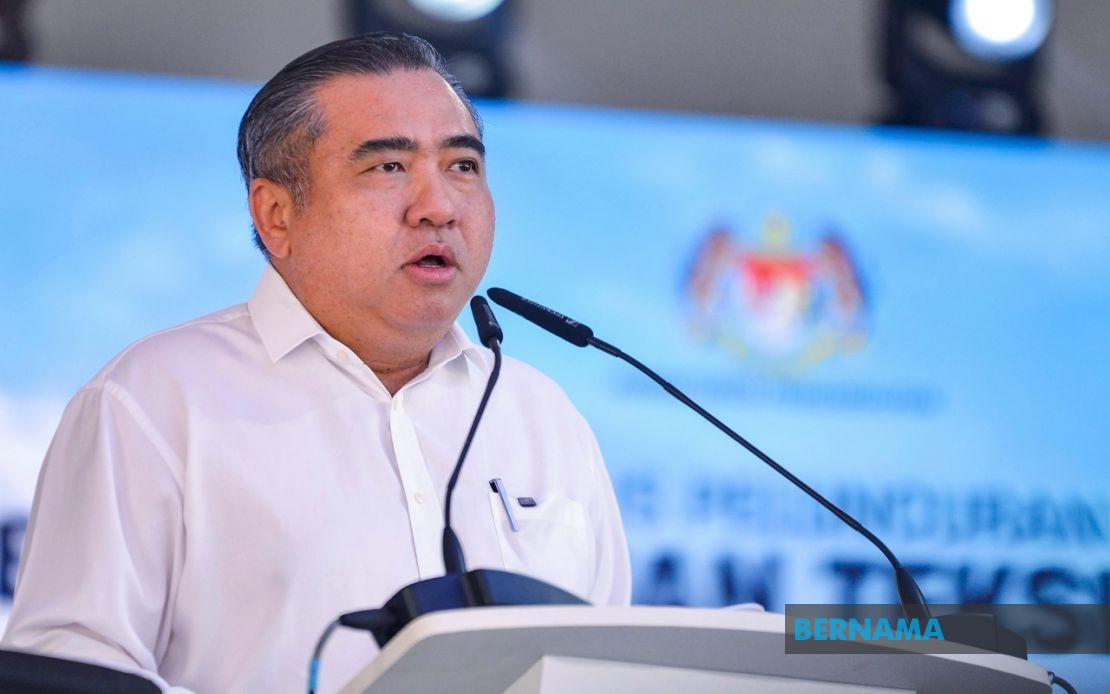
Malaysia's transport sector is undergoing a significant structural shift as the National MADANI Taxi Reform Programme moves to eliminate the conventional leasing model that has anchored the taxi industry for decades. Transport Minister Anthony Loke announced at the programme's launch at Dataran Merdeka today that drivers will now become legal owners of their vehicles, a departure from the historical arrangement where ownership remained with taxi companies or financial institutions. Prime Minister Datuk Seri Anwar Ibrahim officiated the ceremony, signalling the government's commitment to reshaping labour conditions within the transportation sector.
The transition represents a meaningful restructuring of asset ownership dynamics in Malaysia's taxi industry. Under the previous leasing framework, drivers operated vehicles financed by external parties, creating a dependency relationship that limited their financial autonomy and equity accumulation. The new approach grants drivers legal ownership status while maintaining the option of phased financing through financial institutions, a distinction Loke emphasised when contrasting the reform with earlier versions of similar schemes. This structural change carries implications for driver welfare, as ownership translates to asset building and reduced vulnerability to sudden policy shifts or company restructuring.
The Ministry of Finance has granted special approval enabling this ownership transfer, clearing a crucial regulatory hurdle that had previously constrained such reforms. This governmental backing suggests alignment between transport policy and broader economic objectives centred on improving livelihood conditions for transport workers. The approval reflects recognition that taxi drivers, often characterised as independent operators, deserve greater equity stakes in their work tools rather than perpetual payment arrangements that accrue benefits primarily to financial intermediaries.
The programme has selected the Proton S70 sedan as the standardised taxi model, a choice grounded in practical operational considerations rather than arbitrary selection. The vehicle meets multiple criteria including enhanced safety features for passenger protection, improved cabin comfort to elevate the customer experience, and fuel efficiency that reduces operating costs for drivers. These specifications indicate a holistic approach to modernising the taxi fleet, benefiting drivers through lower fuel expenditure and passengers through improved safety and comfort standards. The adoption of a domestic vehicle manufacturer also supports Malaysia's automotive industry.
Visually distinguishing the reformed taxi fleet, the new vehicles will abandon the traditional roof-mounted taxi topper, opting instead for a contemporary aesthetic that aligns with modern urban transportation standards. New taxis will carry distinctive registration numbers prefixed with the letters "GET", enabling easy identification and regulatory tracking. These visible markers underscore the programme's intention to create a clear demarcation between reformed taxis operating under modern conditions and those still functioning under legacy systems.
Beyond ownership restructuring, the programme introduces revenue diversification mechanisms to bolster driver earnings. Digital advertising screens positioned within taxi cabins represent an innovative income stream, capitalising on passenger captivity during journeys. This supplementary revenue approach acknowledges that traditional metered fares alone may prove insufficient for drivers to achieve sustainable income levels, particularly as ride-hailing competition intensifies across Malaysian cities. The advertising model transforms taxi interiors into commercial spaces while maintaining passenger comfort.
The integration of digital booking systems through established e-hailing platforms represents another modernisation layer, enabling taxis to compete more effectively with app-based ride services that have captured significant market share over the past decade. By connecting traditional taxis to digital ecosystems, the programme addresses a critical competitive disadvantage that conventional taxi operations faced. This integration allows drivers to access customer demand through familiar technological interfaces while retaining their independent status.
The programme's timing reflects broader pressures reshaping urban transportation globally. Southeast Asian cities including Kuala Lumpur have witnessed substantial growth in ride-hailing services, creating existential challenges for traditional taxi operators. The MADANI reform attempts to modernise the sector sufficiently to enable taxis to coexist with and compete against digital-native services rather than gradually becoming obsolete. For Malaysian policymakers, preserving a viable traditional taxi sector serves multiple purposes including employment protection, consumer choice preservation, and retention of an important economic segment.
The initiative received support from Minister in the Prime Minister's Department (Federal Territories) Hannah Yeoh and Kuala Lumpur Mayor Datuk Seri Fadlun Mak Ujud, indicating alignment across federal and local government structures. This bureaucratic coordination proves essential for implementing city-wide transport reforms requiring simultaneous adjustments to regulatory frameworks, licensing procedures, and infrastructure standards. Successful execution depends on sustained commitment across multiple government levels.
For taxi drivers, the transition to ownership status fundamentally alters their relationship with the profession. Rather than perpetually servicing debt obligations to external lenders, drivers accumulate asset equity with each payment, building personal wealth while simultaneously enjoying operational autonomy. This structural improvement addresses longstanding grievances within the taxi community regarding economic precarity and limited wealth accumulation opportunities. However, success ultimately depends on whether vehicle ownership genuinely improves net earnings after accounting for maintenance, insurance, and financing costs under the new model.
The broader implications extend to Southeast Asian transport policy discussions, where multiple nations grapple with similar questions about traditional taxi viability amid digital disruption. Malaysia's MADANI approach offers a case study combining ownership restructuring with technological integration and revenue diversification. Whether this multifaceted reform successfully revitalises Malaysia's taxi sector while improving driver welfare will provide valuable lessons for regional policymakers confronting comparable challenges.

