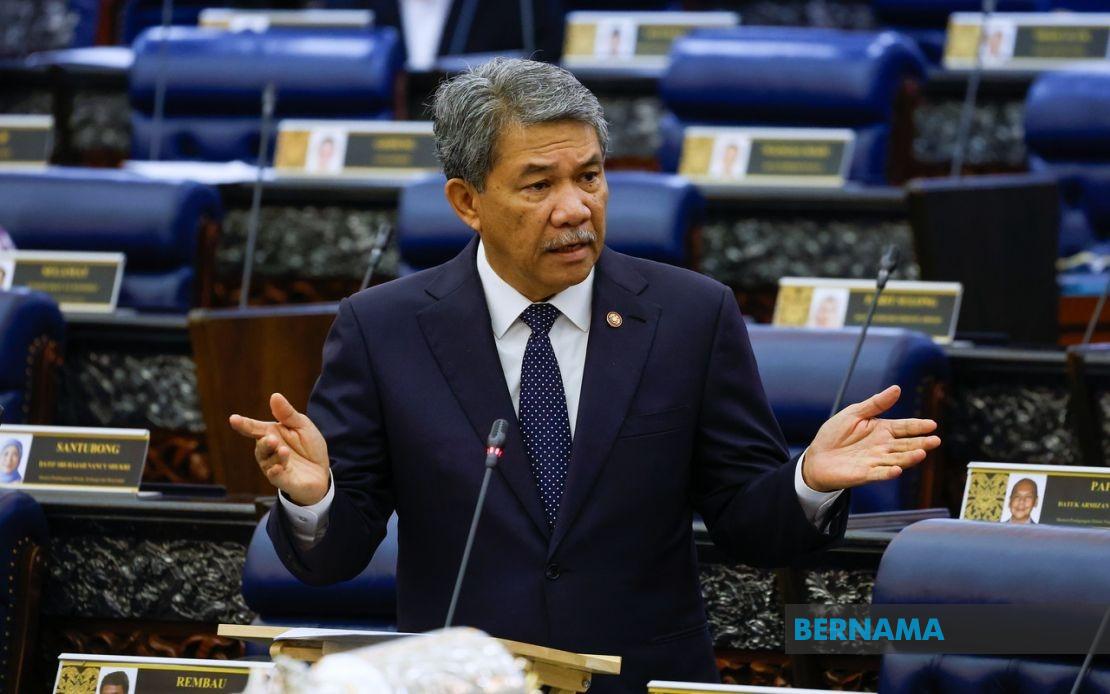
Malaysia's Foreign Minister Datuk Seri Mohamad Hasan moved to dispel any misunderstanding about a recent diplomatic visit to Myanmar, emphasizing that the May engagement did not constitute acceptance of the country's military-led administration. Speaking in parliament on June 25, he reiterated Malaysia's unwavering position against recognising the junta while defending the necessity of continued communication channels with Naypyidaw as part of a broader regional strategy to address the humanitarian and political crisis engulfing the nation.
The clarification comes amid persistent scrutiny of ASEAN's approach to Myanmar, where member states have struggled to balance principles of non-interference with growing international pressure to take a firmer stance against the military government. Mohamad explained that the Malaysian delegation's journey was sanctioned by decisions made at the 48th ASEAN Summit, which specifically instructed foreign ministers to engage informally with Myanmar authorities. This decision reflects ASEAN's preference for quiet diplomacy over public condemnation, a methodology that has drawn both support and criticism from civil society organisations and international observers.
During his meeting with Myanmar Foreign Minister Tin Maung Swe, Mohamad deliberately chose a hotel venue rather than the Foreign Ministry to underscore that the engagement was informal and not an official state visit that might imply recognition. This symbolic choice underscores the delicate diplomatic balancing act ASEAN members must perform when dealing with Myanmar. The venue selection, he suggested, was deliberate—a way of maintaining contact without appearing to legitimise the military administration that seized power in February 2021.
Mohamad articulated Malaysia's core message to the Myanmar side, which centred on the expectations Malaysia and the broader ASEAN community harbour for addressing the crisis. The minister conveyed concerns about the need for concrete steps toward restoring civilian rule and ending the violence that has displaced hundreds of thousands and claimed thousands of lives. Rather than adopt a purely transactional approach, Malaysia sought to remind the junta that while ASEAN membership confers certain rights, it simultaneously imposes obligations that Myanmar must observe and respect.
A significant portion of Mohamad's parliamentary statement focused on the rationale for maintaining dialogue with Myanmar despite the regime's authoritarian nature. He argued that isolation would be counterproductive, creating a vacuum that rival powers with their own geopolitical interests could exploit. This concern reflects regional anxieties about great power competition in Southeast Asia, particularly the prospect that countries like China or Russia might fill the space that ASEAN withdraws from, potentially repositioning Myanmar geopolitically in ways contrary to regional interests. By maintaining channels of communication, Malaysia contends, ASEAN preserves its relevance and influence over Myanmar's trajectory.
The emphasis on keeping Myanmar engaged rather than ostracised represents a calculated assessment that dialogue, however frustrating, remains preferable to complete rupture. This philosophy underpins the Five-Point Consensus adopted by ASEAN in April 2021, which calls for immediate cessation of violence, dialogue among all parties, humanitarian assistance, and ASEAN's mediation role. Mohamad stressed that Malaysia's engagements with Myanmar are explicitly designed to advance these five objectives, treating the framework as the ultimate reference point for evaluating progress and determining the pace of normalisation.
Looking ahead, Malaysia signalled its intention to escalate engagement efforts with a second round of talks with Myanmar stakeholders planned for early or mid-July. These discussions would involve multiple parties within Myanmar's complex political ecosystem, reflecting recognition that meaningful progress requires conversations extending beyond formal government channels to encompass armed ethnic groups, civil society representatives, and other actors wielding influence over the country's political settlement. The timing and composition of these talks will signal whether Malaysia and ASEAN believe conditions are maturing for more substantive negotiations.
The minister's parliamentary intervention addressed concerns raised by fellow legislators about whether engagement risked endorsing the junta's legitimacy. Mohamad's response emphasised the distinction between dialogue and recognition, arguing that maintaining communication channels is fundamentally different from extending diplomatic credentials or supporting the military's claim to represent Myanmar. This distinction, while theoretically sound, remains contested among Myanmar's civil society activists and the National Unity Government, which positions itself as the legitimate representative of the people.
Mohamad also highlighted that Malaysia would continue pressing all parties involved in Myanmar's conflict to cease violence and pursue inclusive dialogue. This call encompasses not only the military regime but also armed resistance movements and ethnic armed organisations that have increasingly challenged junta control. The implicit recognition that multiple actors must change course reflects the complexity of Myanmar's crisis, which extends far beyond simple regime-change narratives to encompass deeply rooted ethnic conflicts and competing visions for the country's political future.
For Malaysia and other ASEAN states, the Myanmar situation represents a fundamental test of the regional bloc's capacity to influence member states' internal affairs while respecting the principle of non-interference that forms the cornerstone of ASEAN's founding philosophy. By framing engagement as conditional encouragement toward the Five-Point Consensus rather than unconditional recognition, Malaysia attempts to navigate this contradiction. Yet whether this middle path can deliver tangible improvements in Myanmar's humanitarian situation or political trajectory remains uncertain, particularly given the junta's apparent determination to consolidate power and suppress dissent.
The broader implications for Southeast Asia extend beyond Myanmar's borders. How ASEAN manages this crisis will shape the regional bloc's credibility as a meaningful actor in international relations and determine whether member states can enforce collective standards within their community. Malaysia's measured approach reflects pragmatism tempered by principle, but critics argue it may inadvertently validate the junta's strategy of weathering international isolation through selective engagement with sympathetic neighbours.

