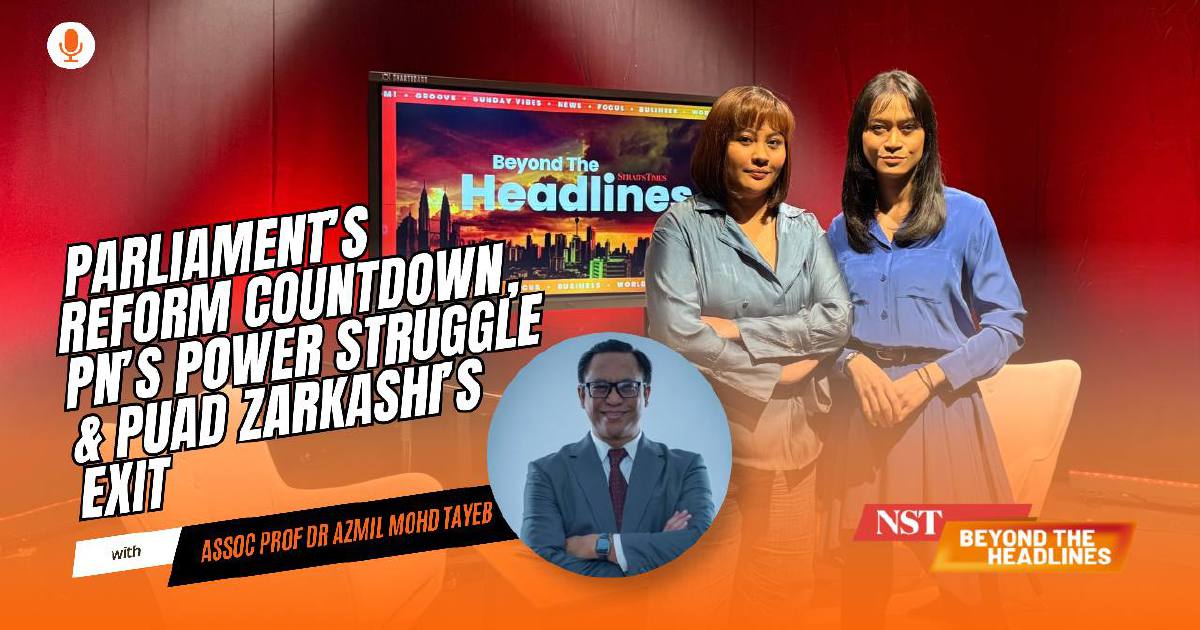
Malaysia's parliament is entering a defining period where the durability of the government's institutional reform programme will be measured against the shifting currents within its ruling coalition. The upcoming parliamentary sitting represents far more than routine legislative business—it signals whether the administration can deliver on years of pledges to strengthen democratic institutions while simultaneously managing deepening fissures among coalition partners.
The convergence of reform ambitions and political turbulence reflects a broader pattern in Malaysian governance. Institutional reforms, from strengthening parliamentary oversight to enhancing transparency mechanisms, have long featured in coalition manifestos and policy statements. Yet translating these commitments into legislation requires sustained consensus among diverse political actors with competing interests. The present parliamentary session will test whether such consensus exists or whether coalition tensions have eroded the political capital needed for meaningful change.
Recent developments within Perikatan Nasional illustrate the complications facing Malaysia's ruling arrangements. Internal power dynamics within the coalition have become increasingly strained, with different factions maneuvering for influence and resources. These tensions complicate efforts to present a unified front on major policy initiatives. When coalition members are preoccupied with internal struggles for position and authority, the bandwidth available for pursuing ambitious reform agendas necessarily diminishes.
The departure of Puad Zarkashi from his parliamentary position adds another layer to this unfolding political narrative. His exit represents more than a mere personnel change—it signals shifting relationships within coalition circles and raises questions about the stability of existing arrangements. Such moves often presage broader realignments or indicate that certain actors have concluded that their interests are better served by withdrawing from particular positions or platforms.
For Malaysian observers accustomed to coalition governance, these patterns carry familiar echoes. Coalition governments in Malaysia have historically struggled to maintain cohesion when pursuing contentious reforms that threaten existing power distributions or resource allocations. The present government faces the same fundamental challenge: securing parliamentary backing for reforms that may appear technically sound but lack universal support among coalition members with divergent constituencies and ideological positions.
The institutional reforms under consideration carry significant implications for Malaysian politics. Strengthened parliamentary committees could enhance legislative scrutiny of executive actions. Improved transparency mechanisms might expose practices previously conducted outside public view. Enhanced accountability frameworks could constrain the discretionary power wielded by various state institutions. For some coalition members, these outcomes appear desirable; for others, they present threats to established privileges and informal arrangements that have proven beneficial to particular interests.
Regional observers watching Malaysia's political evolution will note the tension between reform rhetoric and coalition maintenance. Throughout Southeast Asia, governments have discovered that institutional strengthening, while beneficial for broader democratic development, often creates immediate friction among ruling partners accustomed to operating within less transparent and accountable frameworks. Malaysia's experience will offer instructive lessons about the practical challenges of pursuing simultaneous coalition management and institutional transformation.
The parliamentary calendar ahead will reveal whether the government can navigate these contradictions. Successful passage of reform legislation would demonstrate that coalition members can subordinate parochial interests to broader governance objectives. Conversely, diluted bills or parliamentary stalling would suggest that coalition tensions have undermined reform momentum. Either outcome will inform assessments of government effectiveness and coalition durability.
Puad Zarkashi's exit warrants particular attention given the signaling effects within parliamentary circles. Parliamentary positions, particularly those involving committee leadership or significant speaking roles, carry meaningful authority and visibility. When senior figures voluntarily relinquish such positions, observers interpret such moves as indicators of shifting calculations about political viability, coalition relationships, or personal political trajectories. The circumstances and timing of his departure will likely shape perceptions of coalition stability among both parliamentary members and the broader political community.
As the sitting commences, several critical questions will determine outcomes. Can the government marshal sufficient support to advance its reform package despite coalition friction? Will opposition parties effectively exploit coalition divisions to block or water down reforms? How will backbenchers from different coalition members vote on contentious provisions? The answers will establish precedents for future legislative efforts and clarify the actual boundaries of government capacity within the current coalition structure.
For Malaysian business stakeholders and civil society actors invested in governance improvement, this parliamentary session carries tangible consequences. Reforms affecting transparency, corporate accountability, or governmental efficiency will influence economic regulation and institutional trust. The extent to which the government successfully navigates this period will signal whether Malaysia's political system can manage simultaneous reform and coalition maintenance, or whether these objectives remain fundamentally incompatible within the current arrangement.
The broader significance extends beyond immediate legislative outcomes. Malaysia's ability to strengthen institutions while managing coalition dynamics will demonstrate whether the country's political system can evolve toward greater accountability and transparency or whether structural constraints embedded within coalition governance perpetually frustrate such aspirations. The coming parliamentary session will provide crucial evidence for assessing these longer-term trajectories.

