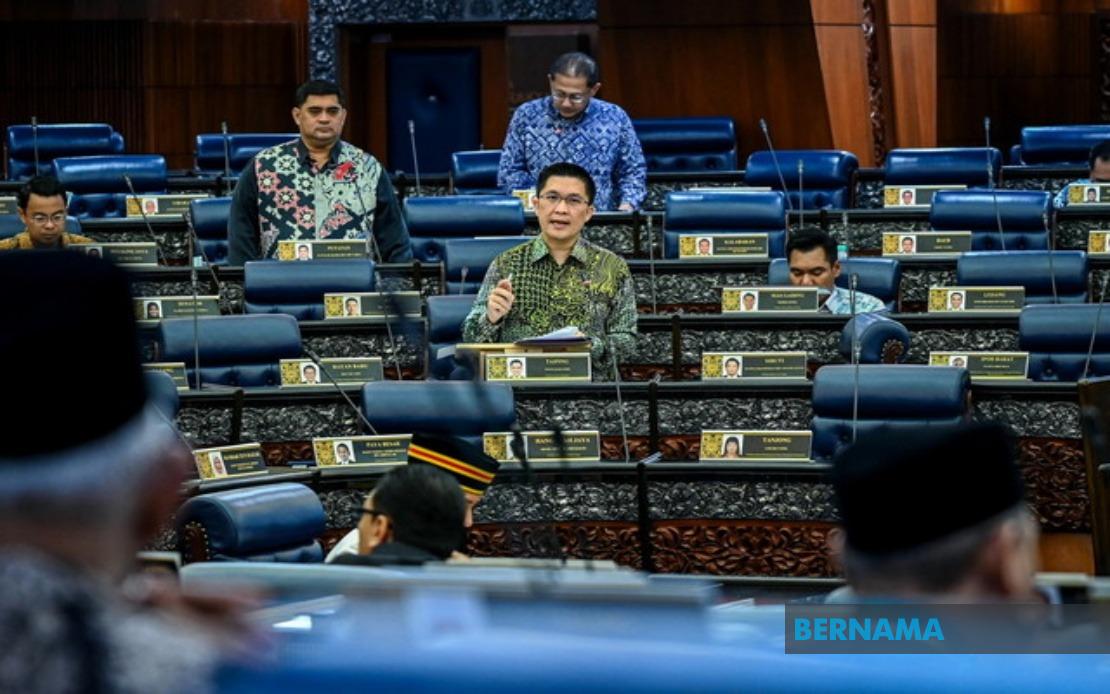
The Education Ministry has achieved near-complete staffing of its preschool programmes, with 99.8 per cent of teaching positions now occupied nationwide. According to Deputy Minister Wong Kah Woh, speaking in parliament on July 9, the ministry has placed 10,478 preschool teachers across the country to support expanding early childhood education services and respond to growing enrolment demand. This high fill rate represents a significant milestone in the government's effort to ensure adequate human resources for the critical foundation stage of children's education.
The recruitment push has accelerated over the past two years as part of a broader commitment to strengthen Malaysia's early learning infrastructure. Between 2023 and 2025, a total of 1,202 new preschool teachers have been deployed into the system, according to Wong's parliamentary statement. The ministry has committed to continuing systematic and phased recruitment in line with projected enrolment increases across different regions of the country. This measured approach balances the need for rapid expansion with the practical challenges of identifying, training, and placing qualified educators in appropriate locations.
The current preschool network operates 10,491 classes nationwide, serving 217,026 pupils as of May 31. This substantial reach demonstrates the considerable scale of Malaysia's government-run early childhood education system. However, these figures also reveal the untapped potential within the current infrastructure—with thousands of classes established and hundreds of thousands of children reached, the system's ability to expand depends largely on continued teacher recruitment and strategic class expansion.
Quality assurance remains central to the ministry's expansion strategy. Wong emphasized that beyond simply filling vacant positions, the Education Ministry has reinforced training programmes for preschool educators. Both pre-service training for new teachers and in-service professional development for existing staff have been strengthened to ensure educators meet contemporary early childhood education standards and maintain pedagogical competencies. These training initiatives directly underpin the quality of learning experiences in preschool classrooms, addressing concerns that rapid expansion could compromise educational standards.
The expansion of preschool access is proceeding according to strategically planned criteria. When determining where to establish or expand classes, the ministry conducts comprehensive assessments of several key factors: the number of eligible-aged children in specific areas, local demand patterns, and community needs. This evidence-based approach helps prevent both over-supply in low-demand areas and the persistence of access gaps in underserved regions. Wong explained that these decisions require coordination across multiple government bodies and local knowledge of demographic trends.
Looking forward, the ministry has announced ambitious yet achievable expansion targets. Wong disclosed that 300 new preschool classes are planned for opening in the coming year, continuing the incremental growth strategy. Over the next five years, the ministry targets opening and expanding a total of 1,040 new classes, which would substantially increase the system's capacity and geographic reach. This trajectory, if maintained, would significantly broaden government-provided early learning opportunities across Malaysia.
For children aged six years who have not yet accessed preschool education, the ministry is pursuing multiple strategies to improve accessibility. While expanding government-run preschool classes remains the primary avenue, Wong indicated that collaboration with State Education Departments is essential given Malaysia's federal structure, where education is a shared responsibility. The Community Development Department (KEMAS) plays a complementary role in delivering early childhood programmes in partnership with the ministry, particularly in communities where establishing full-time government classes may be challenging.
This expansion initiative carries significant implications for Malaysian families and social equity. Preschool education provides documented benefits for child development, school readiness, and long-term educational outcomes, with particular advantages for children from disadvantaged backgrounds. By increasing access to government preschool services, the ministry aims to level the educational playing field and reduce disparities in early learning opportunities. This investment in foundational education represents preventive social policy, as early intervention typically yields higher returns than later remedial efforts.
The staffing success also reflects shifting attitudes toward preschool teaching as a career path. Recruitment of over 1,200 teachers in two years suggests that improved compensation, career progression prospects, or enhanced professional recognition has made preschool teaching more attractive to qualified candidates. This human resource development is essential as the sector competes with other professions for talented educators. Sustaining this recruitment momentum will be crucial for achieving the five-year expansion targets.
Regionally, Malaysia's preschool expansion strategy aligns with broader Southeast Asian efforts to universalize early childhood education. Many regional neighbours are similarly investing in expanded and improved early learning systems, recognizing that the foundation years critically influence human capital development. Malaysia's systematic approach—combining infrastructure expansion with quality assurance and equitable access planning—offers a model relevant to other developing economies in the region facing similar challenges of scaling education services while maintaining standards.

