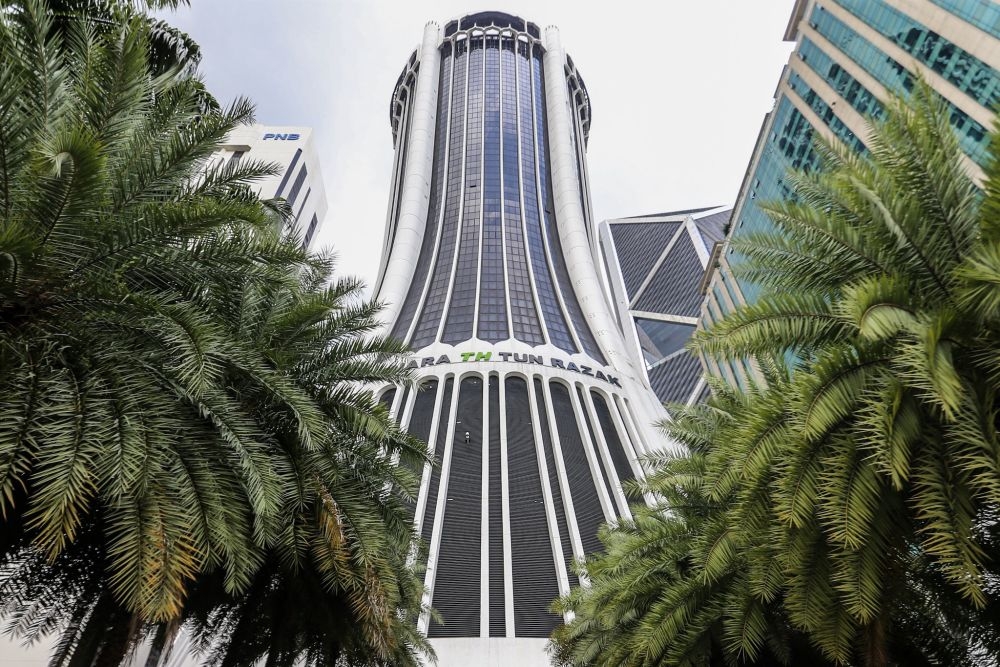
Three of Malaysia's most powerful enforcement bodies have dramatically accelerated their investigation into suspected irregularities at Tabung Haji, the national pilgrimage fund, in the wake of damaging findings from a Royal Commission of Inquiry. The Malaysian Anti-Corruption Commission, Royal Malaysia Police, and Inland Revenue Board are now conducting parallel inquiries into the fund's operations, marking a significant escalation in official oversight of an institution that manages the savings and investments of millions of Muslim Malaysians preparing for the hajj pilgrimage.
The coordinated push by these agencies represents one of the most comprehensive scrutiny Tabung Haji has faced in recent years. The move signals that investigators have identified concerning patterns or specific allegations warranting urgent attention across multiple jurisdictions within law enforcement and tax administration. This multi-pronged approach suggests the suspected breaches may span criminal conduct, financial impropriety, and taxation matters simultaneously, requiring specialised expertise from each organisation.
Tabung Haji's governance and financial management have come under mounting public and political pressure following revelations of significant losses and investment decisions that raised questions about fiduciary responsibility. The fund, which primarily serves lower and middle-income Malaysians saving for their religious obligation, holds enormous symbolic and practical importance in Malaysian society. Any mismanagement or irregularities carry implications extending far beyond typical corporate governance concerns, touching upon religious trust and the financial security of vulnerable savings populations.
The Royal Commission of Inquiry's report provided the investigative impetus for this acceleration. RCI findings typically contain detailed evidence and recommendations that guide prosecutorial and regulatory agencies toward specific areas requiring deeper scrutiny. By releasing its report, the RCI effectively transferred investigative momentum from the commission itself to the operational enforcement apparatus that can pursue criminal charges, civil recovery, and regulatory sanctions based on the documented findings.
For Malaysian readers, this development carries particular relevance given Tabung Haji's central role in facilitating hajj participation. The fund accepts contributions from Malaysians throughout their working lives and invests these savings to generate returns that help subsidise pilgrimage costs. Concerns about mismanagement directly threaten the ability of ordinary Malaysians to afford this fundamental Islamic obligation. Any criminal conduct or financial irregularities could result in permanent losses that cannot be recovered, affecting years of disciplined saving by pilgrims.
The involvement of the Inland Revenue Board suggests investigators are examining potential taxation offences, possibly including unreported income, false deductions, or transfer pricing irregularities if international transactions were involved. Tax authorities often uncover financial misconduct patterns that criminal investigators might otherwise miss, providing additional evidentiary pathways toward accountability. Similarly, the police investigation likely focuses on potential breach of trust, fraud, or embezzlement allegations that carry criminal penalties under Malaysian law.
The MACC's participation underscores the presumed corruption angle to these irregularities. Malaysia's premier anti-corruption body typically intervenes when investigation files suggest abuse of authority, bribery, or systematic deviation from established procedures for personal or institutional gain. The commission's involvement sends a powerful message that authorities view the Tabung Haji matter not merely as civil mismanagement but potentially as corruption warranting criminal prosecution.
From a regional perspective, Malaysia's handling of the Tabung Haji investigation will be closely watched by other Muslim-majority nations managing similar pilgrimage funds or Islamic savings institutions. Indonesia, Brunei, and other regional players operate comparable structures, and the Malaysian precedent regarding investigative thoroughness and accountability may influence how these countries approach governance challenges within their own religious institutions. Effective enforcement also strengthens regional financial integrity standards.
The acceleration of enforcement activity also reflects political awareness that public confidence in Islamic institutions and government-backed savings schemes depends upon demonstrable accountability. Delayed or half-hearted investigations risk creating perceptions of impunity, potentially undermining public trust in other government-managed financial mechanisms. By visibly deploying multiple agencies with genuine investigative authority, Malaysian authorities signal commitment to protecting public assets regardless of institutional sensitivity.
Stakeholders in the coming months will watch for concrete outcomes from these intensified investigations, including whether charges are filed against individuals or entities, whether civil recovery actions are initiated, and whether systemic governance reforms are implemented. The speed and transparency of these proceedings will significantly influence whether Tabung Haji can rebuild credibility among its millions of contributors. For Malaysian pilgrims, the stakes involve both financial security and institutional trust—both essential ingredients for maintaining this uniquely important national institution.

