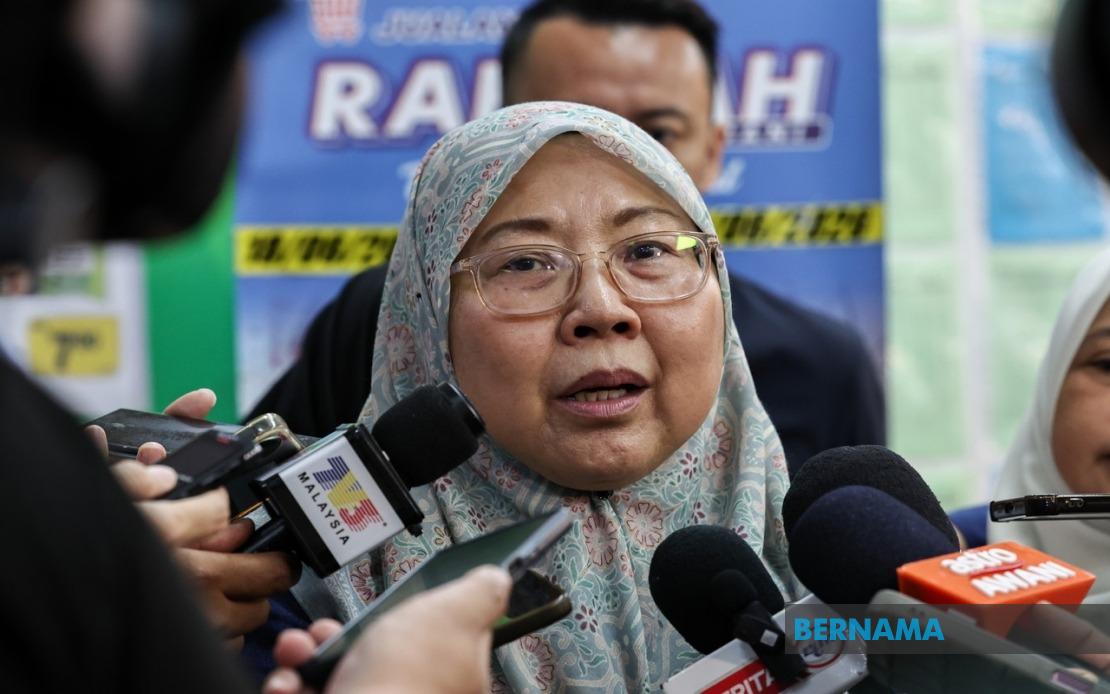
The Malaysian Ministry of Domestic Trade and Cost of Living (KPDN) has moved to reassure citizens and traders that essential commodity supplies remain stable across Johor and Negeri Sembilan in the lead-up to the state elections scheduled for July 11. Deputy Minister Datuk Dr Fuziah Salleh made the commitment during an inspection of retail outlets in Johor Bahru on June 19, underscoring the government's readiness to prevent any disruption to everyday goods despite headwinds in the global supply chain stemming from the ongoing West Asia conflict and associated logistics cost inflation.
The timing of these assurances reflects the ministry's strategic anticipation of electoral pressures on commodity availability. When voting takes place, election officials, poll monitors, and visitors from other states converge on voting constituencies, creating a temporary surge in local demand across food items, fuel, and other essentials. Rather than waiting for supply issues to emerge, KPDN has implemented a suite of preparatory measures designed to ensure continuity throughout the polling period and the preceding campaign season.
At the core of this strategy lies a restructured distribution network for subsidised cooking oil, one of Malaysia's most price-sensitive commodities. The revised system bypasses traditional wholesaler intermediaries, routing supplies directly from repackers to retail points of sale. This streamlined approach reduces handling stages and associated costs, while also providing greater visibility into stock movements and reducing opportunities for diversion to parallel markets. The system reflects lessons learned from previous election cycles and from ordinary periods when subsidy leakages have eroded the intended benefit to eligible consumers.
Johor's allocation of cooking oil demonstrates the scale of the government's commitment to the state. The monthly quota exceeds 3,000 metric tonnes, distributed through a network of 18 repackers and 95 designated points of sale spanning supermarket chains like Econsave and other authorised retailers. Dr Fuziah's inspection at Econsave Taman Daya found approximately 100 cartons available daily, indicating buffers are in place to absorb demand spikes without depleting shelves. This visibility into current stock levels signals confidence rather than mere theoretical assurance.
Control mechanisms at the checkout level add another layer of distribution integrity. The requirement for app scans or MyKad identity card verification at the point of purchase ensures that subsidised goods reach only Malaysian citizens, addressing a perennial concern about subsidy leakage to non-residents or informal resale. These verification protocols have become increasingly sophisticated, reflecting the government's determination to protect the fiscal cost of subsidy programmes while ensuring they serve their intended beneficiary populations.
The broader Rahmah MADANI Sales Programme (PJRM) demonstrates the government's sustained focus on cost of living relief beyond the electoral period. Between January 1 and June 13, 2026, the programme conducted 13,692 events nationwide, with Johor accounting for 920 sessions across all 56 state constituencies. These events attracted 2.3 million visitors to Johor alone and generated over 1.46 million transactions, suggesting meaningful uptake among the target population. The data underscore that subsidy and cost relief initiatives have moved beyond occasional intervention into structured, recurring programmes.
For Malaysian consumers and traders, these assurances carry practical implications. The commitment to stable supplies during the election period means businesses can proceed with normal inventory planning without fear of sudden government-imposed restrictions or shortage-driven price volatility. Retailers benefit from predictability; households can budget with reasonable confidence that staple items will remain available at controlled prices. This stability also reduces incentive for panic buying or hoarding, which can become self-fulfilling shortages in tight supply environments.
The acknowledgment of global logistics pressures, particularly stemming from the West Asia conflict, situates Malaysia's domestic supply assurances within a broader regional context. Shipping costs, fuel prices, and international transport capacity directly affect the cost of imported raw materials and the feasibility of just-in-time inventory systems. Southeast Asian economies face similar pressures, making Malaysia's explicit commitment to subsidy maintenance and supply reliability noteworthy. Other regional governments grapple with similar dilemmas of managing domestic price stability while absorbing external cost shocks.
From a political economy perspective, the timing and emphasis of these pledges reflect the importance of the Johor state election within Malaysia's broader political landscape. Johor, as the largest state by land area and a significant economic centre, carries symbolic weight and electoral significance. Ensuring that voters perceive the government as competent in managing everyday essentials strengthens the ruling coalition's narrative of effective governance. Conversely, any perception of shortages or artificial price spikes during the campaign period could undermine confidence and provide ammunition to opposition parties seeking to critique incumbent performance.
The coordination required to deliver on these assurances involves multiple government agencies, private sector suppliers, and retail partners. KPDN's proactive stance, evident from pre-election inspections and the introduction of new distribution protocols, suggests institutional readiness and interagency alignment. This level of preparedness distinguishes managed supply scenarios from ad-hoc crisis response, reducing the risk of visible disruptions that erode public confidence.
Looking forward, the sustainability of these measures beyond the July elections will interest policymakers and observers. The Rahmah MADANI programme's scale—nearly 14,000 events in a six-month period—indicates institutional capacity for sustained cost relief delivery. Whether the distribution innovations introduced for cooking oil become permanent features of Malaysia's subsidy infrastructure, or whether they revert to traditional channels post-election, will signal the government's commitment to systematic supply chain improvement versus tactical electoral positioning.

