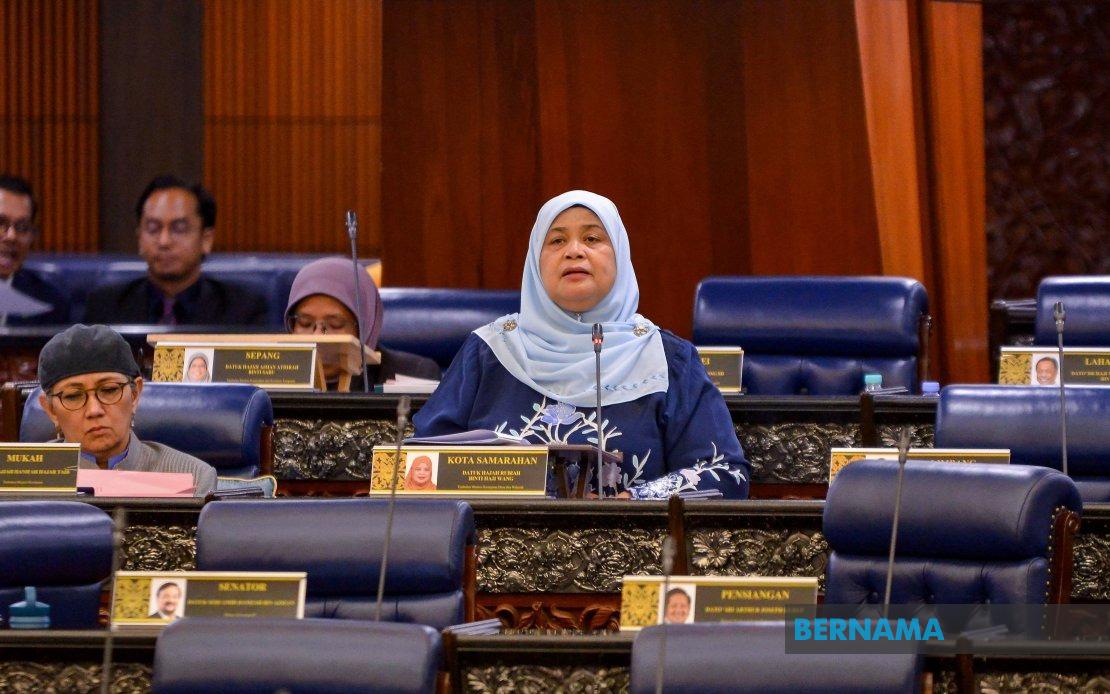
Malaysia's vocational education sector is undergoing a pivotal transformation designed to bridge the persistent gap between classroom learning and workplace requirements. During parliamentary proceedings in Kuala Lumpur, Deputy Minister of Rural and Regional Development Datuk Rubiah Wang outlined how the Technical and Vocational Education and Training 2.0 framework will leverage accreditation mechanisms and direct industry validation to ensure graduates possess genuinely marketable skills. This strategic pivot addresses a longstanding challenge facing Southeast Asia's labour markets: the mismatch between what educational institutions teach and what employers actually need.
The core innovation within TVET 2.0 centres on integrating industry recognition directly into the accreditation process. Rather than relying solely on academic assessments, the framework ensures that employers and major industry players validate the competency standards graduates must achieve. This approach transforms accreditation from a bureaucratic checkpoint into a meaningful labour market signal. For Malaysian workers and those from neighbouring ASEAN countries seeking employment opportunities in Malaysia, this development signals that vocational credentials will carry genuine weight with employers, potentially improving both domestic job placement and regional mobility prospects.
Addressing the persistent skills mismatch that has constrained economic development, the ministry's approach recognises that employability extends beyond technical proficiency. The framework emphasises producing graduates who are future-ready and equipped with cutting-edge technological capabilities, positioning them as potential techno-entrepreneurs and job creators. This entrepreneurial dimension is particularly significant for Malaysia's rural development agenda, as vocational graduates can establish businesses and enterprises that generate economic activity in underserved regions rather than concentrating only in urban centres.
A distinctive initiative within this framework is the TVET Tahfiz programme, which represents an innovative fusion of religious education with technical training. This initiative cultivates a generation of huffaz who combine spiritual grounding and strong character values with practical digital and technological expertise. By integrating Islamic scholarship with industrial skills training, the programme addresses Malaysia's broader vision of human capital development that balances moral and spiritual foundations with competitive technical capabilities needed for global participation.
The Ministry of Rural and Regional Development's TVET institutions are actively embedding advanced technologies into their curricula and institutional specialisations. Trainees across the network are gaining hands-on experience with artificial intelligence, Internet of Things platforms, cloud computing, cybersecurity protocols, automation systems, robotics, and smart manufacturing technologies. These subject areas directly correspond to the Industrial Revolution 4.0 priorities that manufacturers and technology companies throughout Southeast Asia are actively pursuing.
Specialised centres have been strategically established to develop deep expertise in critical technology domains. TVETMARA Petaling Jaya concentrates on Internet of Things applications, TVETMARA Besut provides intensive cloud computing training, and TVETMARA Pasir MAS functions as the national centre for Building Information Modelling, a technology increasingly essential in construction and infrastructure sectors. This distributed specialisation model allows institutions to achieve world-class standards in focused areas rather than attempting to offer comprehensive coverage across all emerging technologies.
The German-Malaysian Institute represents a partnership-based approach to technology transfer, emphasising advanced manufacturing methods aligned with Industry 4.0 principles. This collaboration demonstrates Malaysia's strategy of importing proven industrial practices from mature manufacturing economies, allowing Malaysian vocational graduates to gain skills that meet international standards. For multinational manufacturers with operations across Southeast Asia, this means Malaysian TVET graduates can integrate more readily into standardised production environments.
At the higher education tier, Universiti Kuala Lumpur serves as a flagship institution for advanced TVET, offering degree-level programmes such as the Bachelor of Artificial Intelligence Technology. This progression pathway enables top vocational graduates to advance into specialised higher education, creating a talent pipeline from technical training through advanced degrees. The availability of such pathways reduces the stigma historically associated with vocational education in Malaysia and encourages higher-achieving students to pursue technical careers with genuine advancement prospects.
For Malaysian policymakers, this framework addresses critical workforce development challenges facing both domestic industries and regional competitiveness. As ASEAN countries increasingly compete for manufacturing investment and technology-based activities, countries with vocational systems that produce genuinely job-ready graduates gain competitive advantage. The emphasis on industry recognition and employer validation ensures that Malaysia's TVET credentials carry credibility with investors evaluating workforce capabilities.
The skills alignment emphasis within TVET 2.0 carries particular importance given Malaysia's development stage and regional role. As the country transitions toward higher-value manufacturing and knowledge-intensive services, the availability of technicians and technologists with current skills becomes increasingly critical. Vocational graduates equipped with IoT, cloud computing, and artificial intelligence capabilities can support the deployment of these technologies across both manufacturing and services sectors.
The programme's attention to rural economic development through TVET represents recognition that vocational training serves regional equity objectives beyond merely filling employer skills gaps. Equipping rural residents with advanced technical capabilities and entrepreneurial orientation provides pathways for establishing technology-enabled businesses in regional economies, potentially reversing historical patterns of rural-to-urban migration.
Implementing accreditation transformation across Malaysia's distributed TVET system presents substantial operational challenges. Ensuring consistent quality standards across multiple institutions while maintaining institution-specific specialisations requires robust governance frameworks and regular industry engagement mechanisms. The ministry's success will depend on establishing durable partnerships with industry bodies that provide ongoing feedback on curriculum relevance and evolving skill requirements.
Looking forward, Malaysia's TVET 2.0 framework positions the country as a potential model for Southeast Asia's vocational education systems. As other ASEAN members grapple with similar skills mismatch challenges and industrial transformation pressures, Malaysia's experience with accreditation-based industry recognition and technology specialisation may inform regional approaches to workforce development and economic competitiveness.

