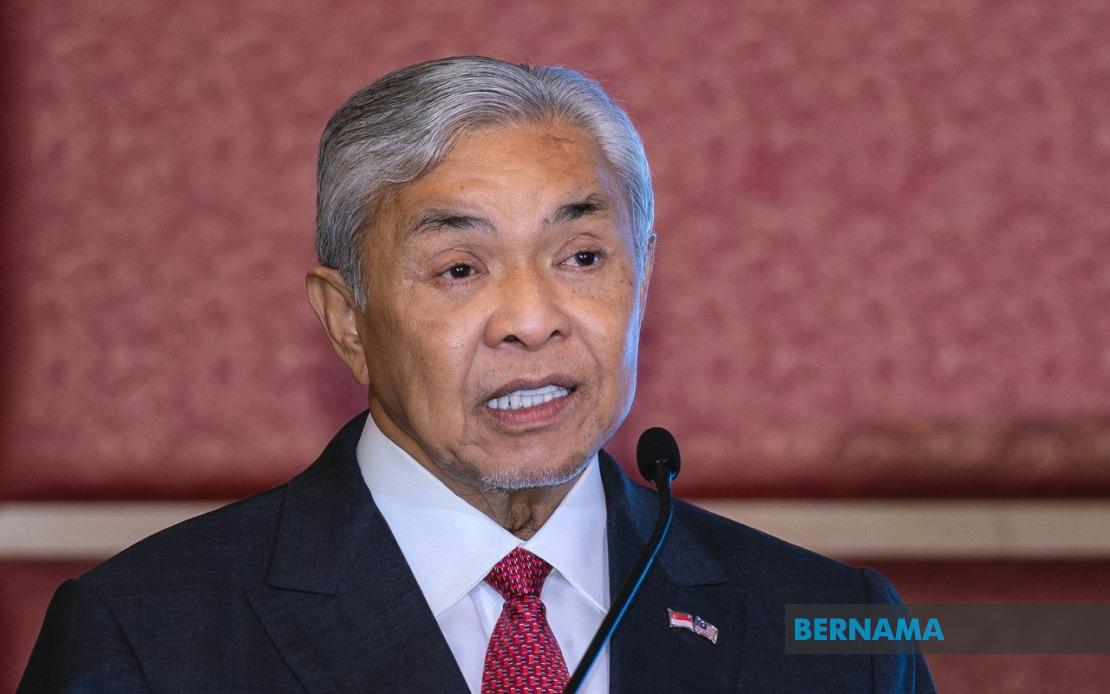
Malaysia's technical and vocational education sector is being repositioned to guarantee employment for graduates before they even complete their studies, according to Deputy Prime Minister Datuk Seri Dr Ahmad Zahid Hamidi. Speaking at an event in Kuala Lumpur on July 13, Ahmad Zahid outlined the government's commitment to raising employability outcomes for TVET institution graduates by fostering strategic ties between educational providers and industry employers. The initiative reflects a broader policy shift aimed at addressing longstanding concerns about skills mismatches and unemployment among vocational graduates across the Southeast Asian region.
At the heart of this approach lies a fundamental restructuring of how TVET curricula are developed and delivered. Rather than institutions designing courses in isolation and hoping graduates will find suitable employment afterwards, the new model positions industry engagement at the front end of course development. Ahmad Zahid, who also holds the portfolios of Rural and Regional Development Minister and chairs the National TVET Council, explained that by consulting with employers and industry representatives during the planning phase, TVET institutions can ensure their offerings directly address actual workplace skill requirements. This preventative approach to curriculum design aims to eliminate the persistent disconnect between classroom learning and industry expectations that has historically plagued vocational education systems across the region.
The Deputy Prime Minister made a striking claim about employment outcomes, asserting that the current system achieves a 100 per cent graduate employability rate. According to Ahmad Zahid, this outcome is achieved through the mechanism of offering jobs to students before they graduate. This advance recruitment practice represents a significant departure from traditional models where students compete for positions after completing their qualifications. The arrangement effectively provides students with employment security and career clarity well before they leave the classroom, potentially reducing the psychological and financial uncertainty that often accompanies the transition from education to work.
Ahmad Zahid identified three critical advantages flowing from this industry-collaboration model. First, it eliminates the risk of course content failing to match actual job requirements—a persistent problem in developing vocational systems where rapid industry change can quickly render training curricula obsolete. Second, it sidesteps wage-related grievances by ensuring that graduates enter positions aligned with their qualifications and training investment. Third, it provides certainty of employment, removing the anxiety many vocational students experience about whether completing their studies will actually lead to paid work. These guarantees address three of the most significant pain points that have historically discouraged Malaysian students from pursuing vocational pathways, which have often been viewed as less prestigious than university education.
The government is simultaneously pursuing a complementary initiative focused on the development of High TVET courses. These advanced vocational qualifications are designed to cultivate skills that exceed standard industry requirements, potentially positioning graduates for supervisory, technical specialist, or advanced trade roles. By offering this tiered pathway within vocational education, the system can accommodate both immediate workforce needs and longer-term skills development ambitions. For Malaysian employers across sectors ranging from manufacturing to digital services, this creates a pipeline of workers equipped not just to perform current tasks but to adapt to evolving technological demands.
The government's TVET priorities gained immediate expression through Malaysia's participation in the WorldSkills Shanghai 2026 competition. Ahmad Zahid addressed a contingent of nine Malaysian competitors drawn from three leading TVET institutions: MARA TVET, Universiti Kuala Lumpur, and GIATMARA. These representatives will compete across nine distinct skill categories spanning Fashion Technology, Cyber Security, and Electronics—disciplines that directly reflect current and projected labour market priorities across Southeast Asia. The selection of these particular fields signals government recognition that Malaysia must develop competitive advantages in both traditional trades and emerging digital sectors to secure prosperity in the coming decade.
Addressing the Malaysian competitors, Ahmad Zahid emphasized the psychological dimension of international vocational competition. Beyond technical mastery, he called on participants to demonstrate resilience and emotional composure when performing under intense international scrutiny. This focus on mental and emotional dimensions reflects an understanding that competitive advantage in global skills competitions depends not merely on technical knowledge but on the capacity to perform optimally under pressure. For a developing economy seeking to establish vocational education credentials on the international stage, strong performances in WorldSkills competitions generate credibility and attract international recognition.
The timeline leading to the Shanghai competition, scheduled for September 22-27, provides approximately two months for intensive final preparation. Ahmad Zahid's directive to competitors emphasized the importance of disciplined skill enhancement during this critical window. The intensity of preparation for international vocational competitions mirrors the demands that graduates will encounter in actual employment, where continuous skill development and rigorous self-discipline separate high performers from average workers. This preparation period thus serves as both practical training for the competition and character development for the young technical professionals involved.
Malaysia's emerging TVET strategy carries significance extending well beyond national borders. Across Southeast Asia, many economies grapple with similar challenges: youth unemployment despite formal qualification attainment, persistent skills mismatches between education outputs and employer requirements, and the tendency of young people to view vocational pathways as inferior alternatives to university degrees. By demonstrating a model that delivers employment certainty, industry alignment, and international competitive success, Malaysia positions itself as a potential exemplar for regional peers. Singapore, Vietnam, Thailand, and Indonesia all maintain significant TVET sectors, and evidence of Malaysian success could catalyze policy learning and system improvements throughout the region.
The Deputy Prime Minister's assertions about 100 per cent employability, while ambitious, reflect genuine structural changes to how TVET operates in Malaysia. However, sustaining such outcomes requires continuous dialogue between educational institutions and industry partners, responsive curriculum adjustment as technologies and market demands shift, and employer commitment to hiring graduates even when market conditions fluctuate. The success of this initiative will ultimately depend not on initial policy announcements but on consistent execution and genuine partnership between government, educational institutions, and private-sector employers over the medium to long term. For Malaysian students considering vocational pathways, this represents a meaningful shift toward genuine employment prospects rather than the uncertain job-hunting process that has previously characterized the transition from technical education to work.

