Malaysia's higher education sector is taking a structured approach to integrating generative artificial intelligence into campus life, with the Ministry of Higher Education's 2024 guidelines serving as a foundational framework for institutions nationwide. The Deputy Minister, Adam Adli Abdul Halim, highlighted at an awards ceremony in Melaka this week that the guidelines have proven instrumental in helping universities develop contextualised policies that balance technological innovation with academic accountability. Rather than imposing a one-size-fits-all mandate, MOHE's approach has empowered institutions to craft their own standard operating procedures aligned with the ministry's overarching ethical principles.
The proliferation of generative AI tools in academic settings has created both opportunities and challenges for Malaysian universities. Students now have access to powerful research and writing assistants that can enhance learning outcomes, yet the same technology poses risks to academic integrity if misused. Adam Adli acknowledged that instances of AI misuse continue to occur across the sector, but stressed that universities now possess clear institutional mechanisms to identify, investigate and address violations. These procedures represent a significant advancement, moving beyond reactive responses to violations toward proactive governance.
A cornerstone of the new approach requires students to explicitly declare their use of generative AI in academic assignments. This transparency mechanism allows educators to assess the extent to which students are leveraging AI tools and determine whether such usage aligns with assignment objectives and institutional guidelines. By creating a paper trail of AI deployment, universities can distinguish between appropriate supplementary use and problematic over-reliance on automated content generation. The declaration requirement fundamentally shifts the burden of responsibility onto students, encouraging them to engage thoughtfully with technology rather than defaulting to convenience.
The guidelines emphasize that students remain obligated to employ rigorous research methodologies and maintain proper academic referencing standards, regardless of AI involvement in their work. This stipulation prevents a common pitfall: students generating entire essays through AI prompts and presenting them with minimal original analysis or critical engagement. The expectation is clear—generative AI functions as a tool to enhance human creativity and understanding, not to replace the intellectual labour that defines academic work. Universities have adopted disciplinary frameworks that treat AI-assisted academic dishonesty seriously, with potential consequences ranging from formal warnings to revocation of qualifications in severe cases.
Adam Adli's remarks underscored an important philosophical distinction that will shape how Malaysian campuses approach this technology. He argued that technological capability cannot substitute for the disciplined learning process that universities exist to cultivate. Students studying business, engineering, medicine or humanities must develop critical thinking, domain expertise and ethical reasoning—capacities that generative AI cannot impart. Instead, the technology should occupy a supporting role analogous to how libraries, databases and previous scholarship inform academic inquiry. This framing helps universities avoid the temptation to either ban AI outright or allow it to dominate pedagogical practice.
The implementation of these guidelines arrives at a pivotal moment for Malaysian education. As generative AI becomes increasingly sophisticated and accessible, institutions face mounting pressure to equip students with AI literacy while protecting academic standards. The ministry's framework provides a common reference point that allows universities to learn from each other's evolving practices, share best practices, and collectively develop responses to new challenges as technology advances. This collaborative infrastructure is particularly valuable for smaller institutions that may lack dedicated resources for AI governance.
Beyond academic integrity, the guidelines reflect a broader commitment to responsible technology adoption in Malaysia's education system. The ministry recognises that generative AI will likely play an expanding role in professional and academic contexts, making it essential that graduates develop competence in working alongside such tools. However, this competence must be paired with ethical awareness and an understanding of AI's limitations. Students who learn to use generative AI judiciously while maintaining academic integrity will be better positioned to apply these lessons in workplaces where AI is increasingly prevalent.
The timing of this initiative demonstrates Malaysia's proactive stance compared to some international peers who are still grappling with AI governance in higher education. While debates continue in other countries about whether to restrict or embrace generative AI in academic settings, Malaysian universities are moving toward a balanced regulatory framework that permits responsible innovation. This approach could position the country as a model for other Southeast Asian nations facing similar pressures to modernise their educational infrastructure while safeguarding institutional values.
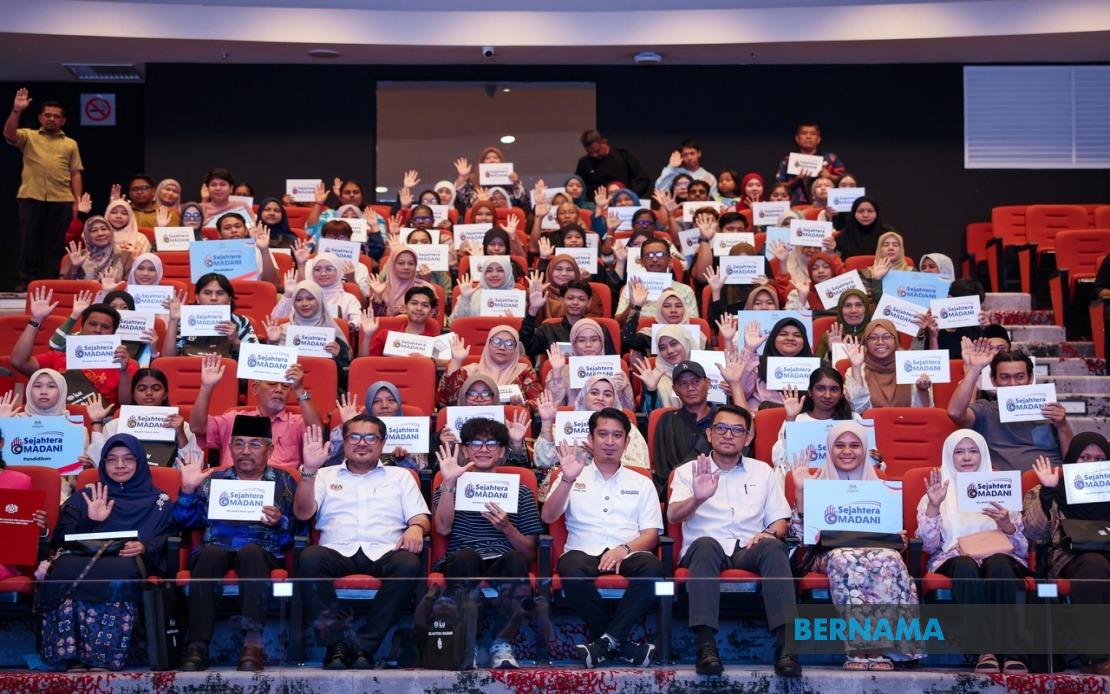
Accompanying the governance initiative, the government also demonstrated commitment to supporting student welfare and academic excellence. During the same ceremony, outstanding SPM students received laptops and university students received tablets under the Sejahtera MADANI programme, specifically targeting high-achieving students from lower-income families in Melaka. This dual focus—on both technological governance and equitable access—reflects a comprehensive vision for education that extends beyond managing risk to expanding opportunity.

