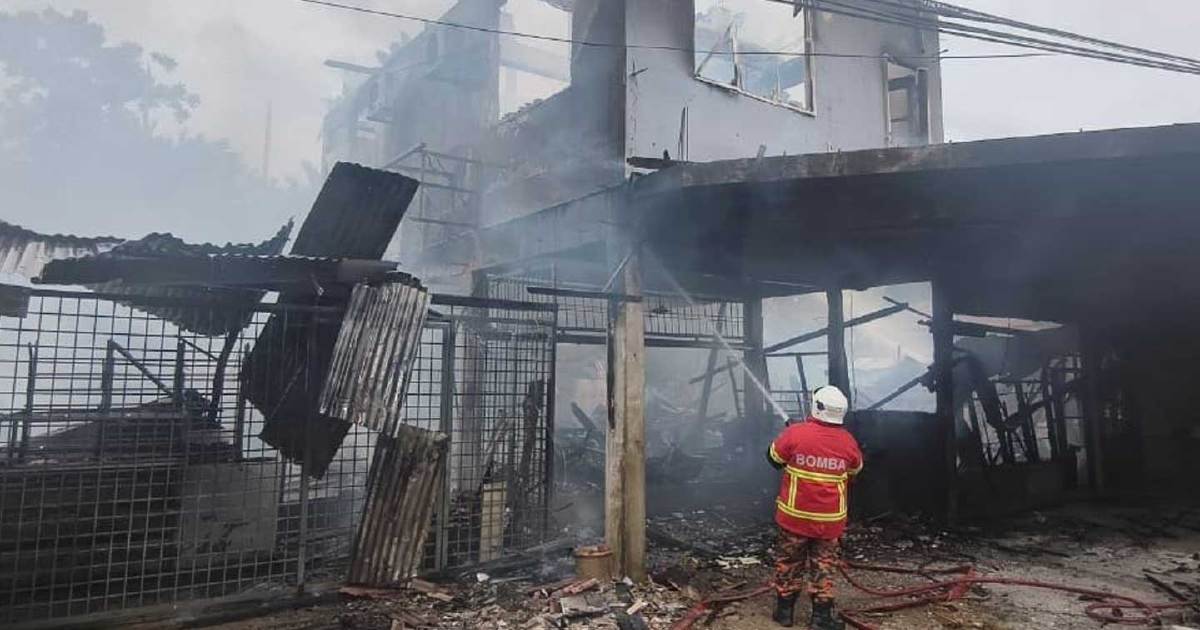
A 36-year-old man suspected of deliberately burning down his mother's residence in Kampung Sungai Baru has been placed in five-day police custody following his arrest, as authorities intensify their investigation into the incident in Jitra.
The remand decision comes as investigators seek to establish the circumstances surrounding the house fire and determine the suspect's motive. During his time in custody, police will conduct detailed interviews and gather evidence to build their case, which currently centres on allegations of deliberately igniting the blaze at the family home.
Local authorities in the Jitra district have been managing the investigation into the residential fire. The case raises questions about family tensions and domestic circumstances that may have contributed to the alleged incident. Law enforcement officials have signalled their commitment to thoroughly examining all angles of the matter before deciding whether to prefer formal charges.
Arson cases carry serious legal consequences in Malaysia, with convictions potentially resulting in substantial prison sentences and substantial fines depending on the circumstances and whether the fire endangered life. The fact that the alleged victim is the suspect's mother adds a layer of concern regarding family relationships and potential underlying disputes that led to the confrontation.
During the remand period, the police's Criminal Investigation Division will work to secure forensic evidence from the fire scene, including analysis of accelerants and burn patterns that may confirm whether the fire was deliberately set. Witness statements from neighbours or family members will also be crucial in establishing what transpired before and during the incident.
The decision to remand the suspect reflects Malaysian law enforcement's standard approach in serious criminal matters, allowing investigators adequate time to consolidate their findings without external pressure. This timeframe typically provides sufficient opportunity to complete preliminary enquiries and determine whether evidence warrants an extension of custody or release pending further investigation.
Cases involving domestic violence or family-related criminal conduct remain a persistent concern across Malaysia and Southeast Asia. When such allegations involve deliberate property destruction and potential harm to family members, they highlight the intersection of personal disputes and serious criminality that courts must carefully evaluate.
The outcome of this investigation may depend significantly on forensic analysis and witness testimony establishing whether the fire was accidental or deliberately caused. Fire investigators will examine whether accelerants were used, the point of origin within the structure, and patterns consistent with intentional ignition versus accidental causes such as electrical faults or cooking accidents.
Family discord escalating to the point of alleged arson represents an extreme breakdown in household relationships. Mental health factors, financial stress, substance abuse, or longstanding grievances between family members often underlie such serious incidents. Authorities may pursue parallel inquiries into any underlying psychological or social factors relevant to understanding the alleged conduct.
The remand period affords the investigating officers opportunity to interview additional witnesses and consult with fire department specialists regarding the technical aspects of the incident. Should the police determine that sufficient evidence exists after five days, they may request an extension of remand through the courts, or alternatively proceed with bail arrangements pending trial preparation.
For residents of Kampung Sungai Baru and surrounding Jitra communities, such incidents underscore the dangers posed by domestic disputes and the importance of early intervention when family tensions escalate. Local authorities may use this case as an opportunity to encourage residents to report concerning behaviour or threats of violence through proper channels before situations deteriorate into criminal conduct.
The Malaysian legal framework treats arson as a serious offence, recognising the potential for loss of life, injury, and destruction of property regardless of whether the victim is a family member or stranger. Conviction requires proof beyond reasonable doubt that the suspect intentionally or recklessly caused the fire, and courts will consider relevant circumstances including relationships between parties and any recorded history of conflicts.

