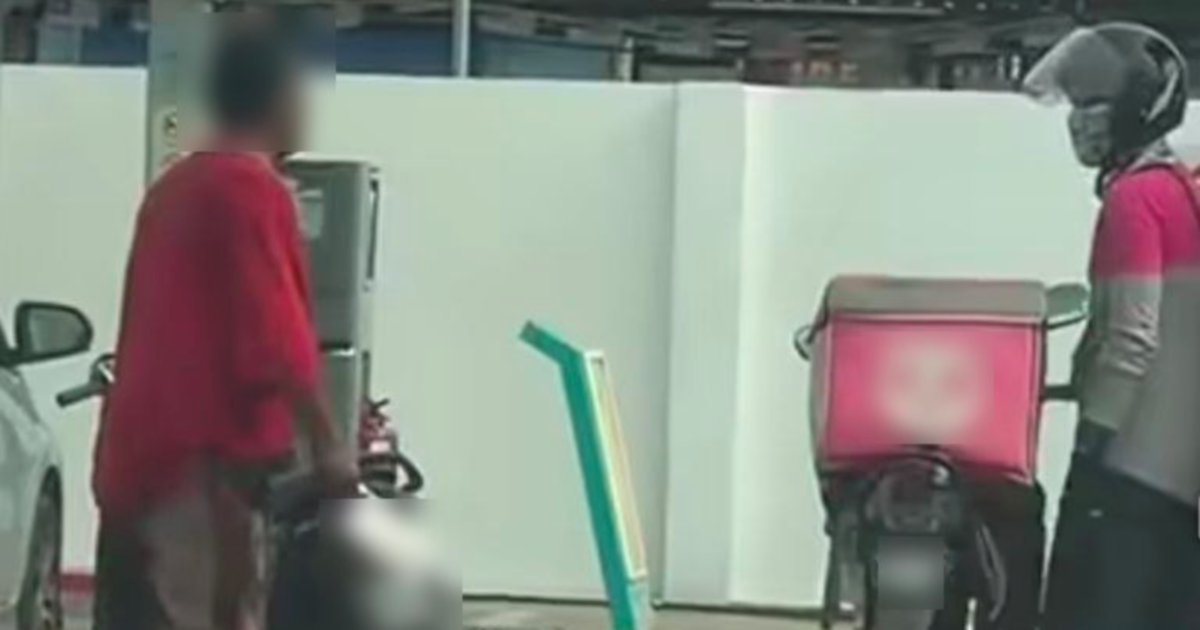
Police in Kuala Terengganu have taken into custody a man following an incident in which he is alleged to have acted in a threatening manner while wielding a meat cleaver at a platform-hailing worker at a petrol station located on Jalan Pasir Panjang on the afternoon of the previous day. The arrest marks another addition to the growing list of confrontations involving gig economy workers in Malaysia, a sector that has expanded rapidly over the past decade but remains vulnerable to sporadic outbursts of violence.
The incident underscores the persistent safety challenges confronting individuals engaged in ride-hailing services, a profession that by its nature requires workers to interact with strangers in varied circumstances and locations. The petrol station setting, a public space typically frequented by numerous patrons, suggests that the alleged aggression occurred in what should ordinarily be a relatively secure environment. The fact that a blade weapon was involved elevates the severity of the incident beyond mere verbal altercation, pointing to a deliberate escalation of tension.
Incidents involving weaponry at public facilities have become a recurring concern for Malaysian law enforcement. The deployment of a cleaver—a tool designed for chopping meat and bone—represents a particularly menacing form of intimidation, as the blade's size and design create substantial risk of serious physical injury. Such weapons have featured in several high-profile incidents across the country in recent years, prompting police forces to intensify patrols and establish rapid response protocols in areas identified as hotspots for violent confrontations.
The circumstances leading to the alleged confrontation at the petrol station remain unclear from available information. Whether the incident stemmed from a transportation-related dispute, a personal grievance, or some other trigger has not been established. Nevertheless, the involvement of a ride-hailing worker raises particular concerns, as these individuals frequently operate in isolation and may find themselves in disadvantageous positions when faced with aggressive or armed individuals. The sector's decentralized nature means workers often lack the immediate backup or security infrastructure available to employees of traditional transport companies.
Malaysia's ride-hailing industry has transformed the transportation landscape since the first platforms launched in the mid-2010s. Today, thousands of drivers depend on these services as their primary or supplementary income source. Yet the rapid expansion of this gig economy segment has outpaced the development of adequate safety protocols and worker protections. While platforms have introduced in-app rating systems and emergency contact features, these measures offer limited protection against sudden physical threats at point-of-service locations such as petrol stations.
The arrest by Kuala Terengganu police reflects the law enforcement response to such incidents. Malaysian authorities have demonstrated increasing willingness to prosecute individuals involved in brandishing weapons or making threats in public spaces. Such cases typically fall under provisions of the Penal Code relating to criminal intimidation, causing hurt with dangerous weapons, or related offenses. The severity of charges may depend on whether the accused made direct threats, whether the weapon made contact with the victim, and the apparent intent behind the actions.
For the ride-hailing worker who experienced this confrontation, the psychological impact extends beyond the immediate moment of threat. Workers in this sector have reported heightened anxiety following violent or threatening encounters, sometimes leading them to abandon the profession entirely. This exodus of drivers, when multiplied across numerous individuals, affects service availability and reliability for passengers, creating broader market ripple effects. Insurance and protective equipment for gig workers also remain inadequately developed in the Malaysian context.
The petrol station location is noteworthy given these facilities' role as essential pit stops for professional drivers. Petrol stations represent neutral public spaces where transactions occur rapidly and where multiple parties converge. Escalations at such locations can attract witnesses and involve bystanders, as occurred in this case. Enhanced security measures at petrol stations—including improved CCTV coverage and trained personnel—could theoretically mitigate risks, though implementing such measures across the nation's many thousands of service stations presents logistical and financial challenges.
Future considerations for Malaysian policymakers include establishing clearer legal frameworks specifically protecting gig economy workers, mandating platform-level safety features, and improving communication between ride-hailing companies and law enforcement. Some jurisdictions have pioneered shared safety protocols where transportation platforms alert authorities to patterns of concerning behavior or dangerous locations. Scaling such approaches across Malaysia would require coordination between the private sector and governmental bodies.
The investigation into this Jalan Pasir Panjang incident will likely proceed through established police procedures, with outcomes potentially including charges, court proceedings, and possible sentencing depending on evidence gathered and legal determinations. The case serves as a reminder that Malaysia's rapid economic modernization and the emergence of new business models create novel contexts for criminal behavior that existing legal and enforcement frameworks sometimes struggle to address comprehensively.

