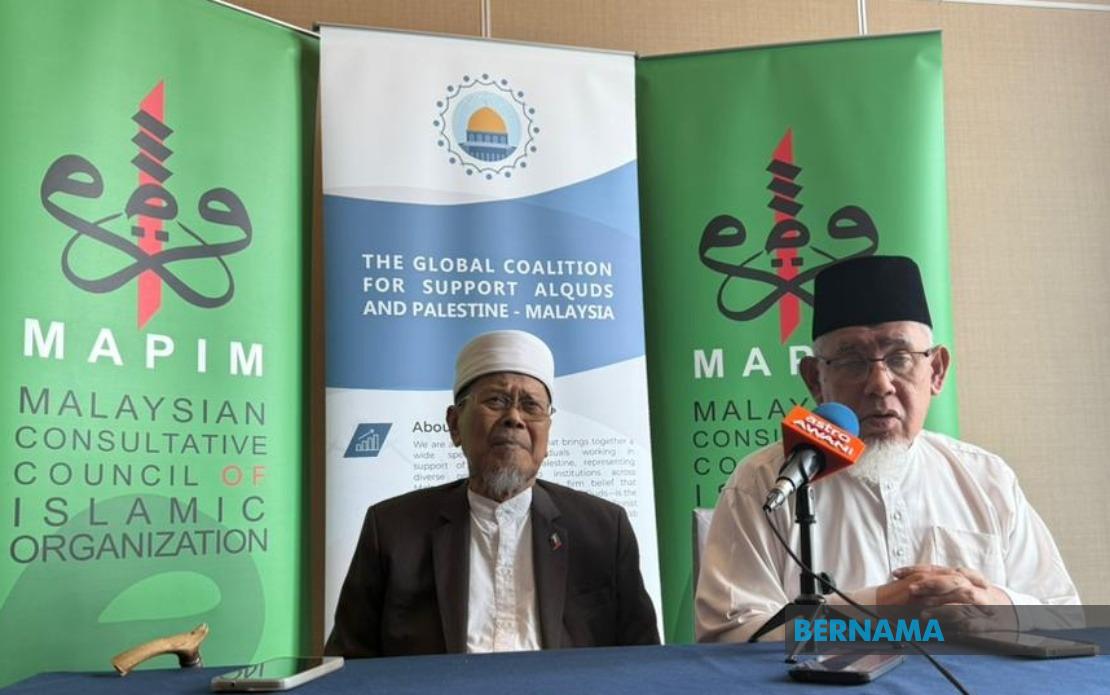
Malaysia's premier Islamic coordinating body is mobilising a dedicated humanitarian response to the Nepal flooding catastrophe, dispatching its first contingent of workers across the region on September 5. The Malaysian Consultative Council of Islamic Organisations (MAPIM) announced the initiative after catastrophic flash floods triggered by an avalanche swept through the Himalayan nation on August 26, claiming the lives of at least 469 people and leaving over 1,400 others unaccounted for, according to preliminary assessments. Among those whose fates remain uncertain are nearly 540 foreign nationals caught in the deluge, underscoring the scale of the humanitarian emergency unfolding in one of Asia's most mountainous and geographically challenging terrain.
The initial wave of the relief operation will comprise four specially selected MAPIM volunteers tasked with conducting rapid needs assessments across the hardest-hit communities and establishing logistical frameworks for coordinated humanitarian delivery. According to MAPIM president Mohd Azmi Abdul Hamid, the organisation has already initiated contact with Nepal's diplomatic mission in Malaysia to gather substantive intelligence on ground conditions and identify priority intervention zones. This groundwork reflects a strategic approach to emergency response, ensuring that Malaysian aid flows to areas where it can generate maximum impact rather than duplicating efforts or overwhelmed existing supply channels. The mission design demonstrates growing sophistication within Malaysian civil society regarding rapid-onset disaster response protocols.
Crucially, MAPIM is casting a deliberately wide net for participation, actively recruiting complementary Malaysian non-governmental organisations to amplify the mission's reach and effectiveness. This collaborative framework includes partnerships with MyCare, an established humanitarian body with proven operational capacity, and coordination with two local Nepali NGOs already embedded within affected communities. Such partnership models have emerged as best practice in contemporary disaster relief, combining international resources and logistical capabilities with local knowledge and established community networks. The multi-organisational approach mitigates risks of duplication while ensuring aid distribution follows culturally sensitive and locally informed protocols.
The physical devastation wrought by the August 26 disaster was both sudden and catastrophic in scope. The avalanche-triggered flash floods unleashed a violent torrent combining rock, ice, mud and debris with tremendous force through Himalayan river valleys, decimating settlements and critical infrastructure positioned along the renowned trekking circuit connecting Kathmandu to Lhasa in the Chinese-administered Tibet Autonomous Region. This particular route represents one of Asia's most economically important trekking corridors, annually attracting tens of thousands of international visitors whose sudden displacement and the subsequent emergency response operations have compounded the disaster's regional reverberations. The geographic concentration of casualties and missing persons along this tourism artery has complicated international rescue and recovery coordination.
The Malaysian government has acknowledged a troubling dimension of this crisis through its own diplomatic channels. The Ministry of Foreign Affairs reported on August 27 that 57 Malaysian nationals remained unaccounted for, based on notifications submitted by families, acquaintances and employers. This figure likely encompasses tourists, workers and business personnel who were present in Nepal during the disaster strike, with many potentially positioned along the affected trekking route at the moment of the deluge. The government's tracking of missing citizens reflects growing consular sophistication in managing large-scale emergencies abroad, though confirming individual fates in such circumstances frequently remains protracted and uncertain. For Malaysian families with unaccounted relatives, the weeks ahead will likely prove emotionally agonising as confirmation processes proceed through both Nepali and Malaysian channels.
Mohd Azmi has articulated a clear operational hierarchy for the mission's immediate priorities. Medical supplies and emergency healthcare provisions represent the paramount requirement, reflecting the complex injury patterns typically accompanying such overwhelming natural disasters. Flood victims frequently suffer not only acute trauma but also water-borne diseases, respiratory complications and infection risks that compound mortality beyond the initial impact period. Following medical interventions, the distribution of basic food packages constitutes the secondary priority, addressing acute nutritional requirements among populations displaced from homes and severed from normal supply networks. This sequential ordering reflects lessons accumulated through multiple major disaster responses across South Asia and Southeast Asia over recent decades.
The MAPIM initiative carries broader significance within Malaysia's foreign policy architecture and regional humanitarian positioning. By positioning Malaysia as an active responder to regional crises, MAPIM's deployment demonstrates the nation's commitment to solidarity with neighbouring societies experiencing catastrophic challenges. This humanitarian intervention builds on Malaysia's established role as a credible partner within the South Asian and broader Asian geopolitical environment, differentiated from purely governmental diplomatic channels. Religious organisations frequently command particular legitimacy within disaster response contexts, their mobilisation of faith-motivated volunteers and established community networks often generating acceptance and cooperation that political entities might struggle to access. MAPIM's intervention therefore represents not merely charitable impulse but also a considered expression of Malaysia's regional identity and values.
Mohd Azmi indicated that comprehensive operational details concerning the Nepal mission will soon be formally submitted to Prime Minister Datuk Seri Anwar Ibrahim for governmental awareness and potential coordination with official Malaysian diplomatic and development assistance mechanisms. This coordination pathway ensures that MAPIM's civilian relief activities complement rather than duplicate governmental response protocols, while potentially accessing logistical support systems that enhance operational effectiveness. The Malaysian government has historically demonstrated capacity to facilitate private humanitarian missions through diplomatic channels, customs expediting, and coordination with international partners. Such coordination becomes particularly valuable in complex environments like Nepal where infrastructure damage may constrain logistics, security situations remain fluid, and international organisations already saturate coordination systems.
The fundamental animating sentiment articulated by MAPIM leadership emphasises Malaysian societal unity in confronting shared regional challenges. By characterising the Nepal mission as reflective of broader Malaysian solidarity with disaster-affected communities, leadership frames the response not as organisational initiative but as expression of collective national conscience. This rhetorical positioning carries significance particularly for diaspora Malaysians and international observers assessing Malaysia's role within Asian regional architecture. In an era where humanitarian response increasingly shapes international relationships and perceived national character, Malaysia's active engagement in Nepal relief demonstrates commitment to regional community beyond transactional commercial or strategic considerations. The emerging humanitarian crisis therefore presents an opportunity for Malaysia to reinforce its positioning as a responsible regional partner and moral stakeholder in Asian stability and human welfare.

