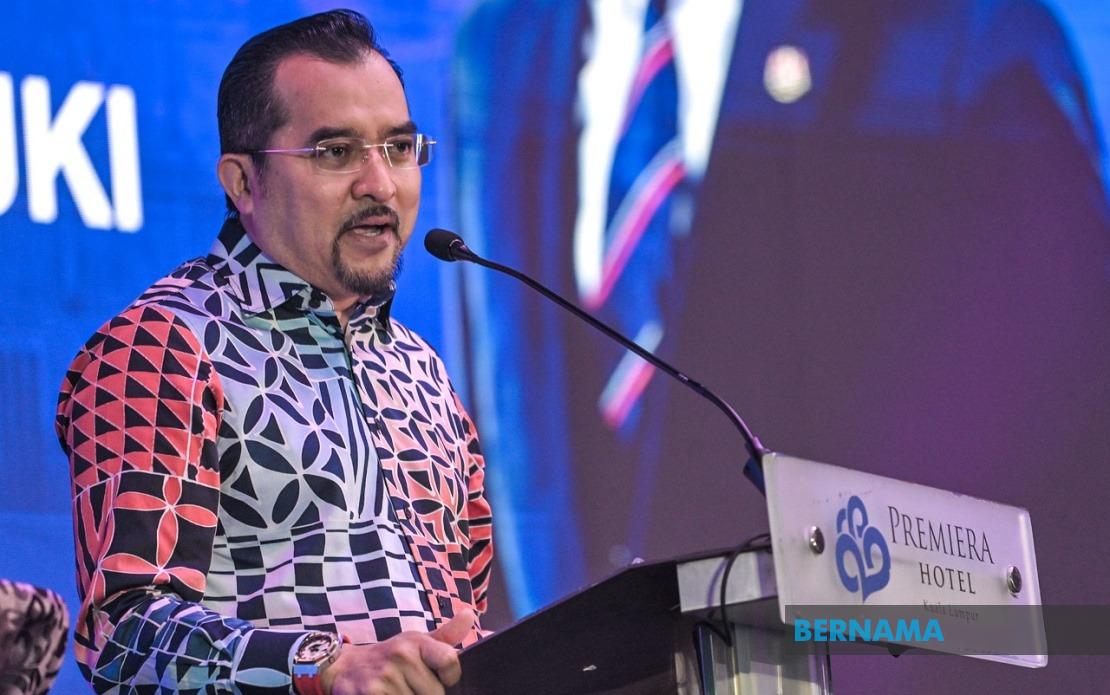
Majlis Amanah Rakyat (MARA) has announced a significant restructuring of its residential college management system, committing to place four dedicated wardens at every MARA Junior Science College (MRSM) across the country. The initiative represents a strategic shift toward leveraging military expertise to address disciplinary challenges and foster character development among the nation's brightest young scholars. MARA Chairman Datuk Dr Asyraf Wajdi Dusuki revealed the plan will unfold in phases, with ten MRSMs receiving the new wardens this year before the system extends to all 58 institutions from January 2025 onwards.
The warden positions will maintain a gender-balanced structure, with each college receiving two male and two female personnel recruited from the veteran military community. According to Asyraf Wajdi, the selection process for male wardens has already concluded, while the final phase of vetting female candidates is scheduled for completion within the week. This careful recruitment timeline underscores MARA's commitment to ensuring institutional readiness before full implementation. The staggered rollout also allows the organisation to refine operational procedures and gather feedback from pilot institutions before nationwide expansion.
MARA's decision to employ former military personnel stems from a recognition that traditional teaching staff face mounting pressures that prevent them from dedicating full attention to residential supervision duties. Military backgrounds bring institutional discipline, hierarchical understanding, and crisis management experience—qualities that MARA views as essential for managing complex dormitory environments housing hundreds of adolescents. By introducing dedicated wardens, the organisation aims to free teachers to focus exclusively on academic instruction and curriculum development, thereby improving overall educational outcomes. This division of labour reflects international best practices in boarding school management, where residential care and academic instruction are increasingly separated functions.
The recruitment process demonstrates institutional rigour, having been conducted jointly with the Malaysian Armed Forces (ATM) and other relevant government bodies. This collaborative approach ensures that only veterans with exemplary service records and vetted backgrounds enter the residential college system. Such screening procedures provide reassurance to parents and educators that discipline will be enforced professionally and ethically. The vetting process also acknowledges the critical nature of wardenship roles, where wardens function as authority figures, mentors, and emergency responders within sensitive educational environments.
Beyond the warden initiative, MARA has maintained its focus on academic excellence and employability outcomes. The organisation highlighted that its Technical and Vocational Education and Training (TVET) programmes continue delivering exceptional results, with graduate placement rates reaching 99.1 per cent—a metric that places Malaysian vocational education among Asia's strongest performers. This statistic carries particular significance for Malaysian policymakers seeking to address skills shortages across manufacturing, construction, and service sectors where TVET graduates are concentrated.
Employer partnerships underscore the market relevance of MARA's curriculum design. A recent recruitment drive by technology giant Samsung, which hired 700 MARA graduates at starting salaries of RM3,500, demonstrates robust industry confidence in the quality of MARA-trained workers. These premium entry-level wages reflect the specialized skills these graduates possess, distinguishing MARA from general education pathways. For Malaysian students considering post-secondary options, such employment outcomes provide concrete evidence of TVET's economic viability compared to traditional university-bound trajectories.
MARA's financial commitment to academic excellence remains evident through its allocation of RM145,000 to special enhancement programmes targeting the five MRSM institutions that achieved top national rankings in last year's Sijil Pelajaran Malaysia (SPM) examinations. This targeted investment rewards institutional performance while establishing centres of excellence that can serve as models for other MRSMs. The allocation suggests MARA recognizes that sustained high performance requires continued resource infusion and institutional support beyond routine operational budgets.
The convergence of discipline-focused residential management and skills-based academic curricula reflects a holistic educational philosophy that MARA has embraced. The organisation contends that producing graduates requires attention not only to technical competence but also to moral formation and character development. This integrative approach acknowledges that employers increasingly seek workers who demonstrate reliability, ethical reasoning, and interpersonal maturity alongside technical proficiency. By investing simultaneously in warden deployment and curriculum excellence, MARA signals that comprehensive human development, not merely credential accumulation, constitutes its institutional mission.
For regional Southeast Asian education systems, MARA's initiatives offer a case study in balancing traditional boarding school models with contemporary skills demands. As countries across ASEAN grapple with youth unemployment despite educational expansion, MARA's consistent 99 per cent graduate placement rates suggest that residential education combined with employer-aligned curricula can address structural labour market mismatches. The warden deployment programme further demonstrates how nations can leverage military institutional capacity for civilian educational purposes, converting veterans into productive contributors to the education sector while addressing their transition to civilian employment.
The tiered implementation strategy—beginning with ten MRSMs before expanding to all fifty-eight—provides valuable data collection opportunities. MARA can assess which management practices prove most effective, how wardens and academic staff coordinate most efficiently, and what resource levels different institution types require. This evidence-based approach to policy expansion reduces implementation risks and positions MARA to refine procedures before nationwide deployment. Such methodical scaling represents institutional maturity and departure from all-or-nothing policy adoption patterns that sometimes characterise governmental initiatives.

