Majlis Amanah Rakyat (MARA) is undertaking a comprehensive review of its standard operating procedures governing student outings at its Mara Junior Science Colleges (MRSM) network following the recent disappearance of two Form Four students. The incident, which occurred on August 11 when two 16-year-old pupils went missing from MRSM Alor Gajah in Melaka, has prompted the organisation to examine its policies, though MARA officials have signalled they will move cautiously to avoid overly restrictive measures that could undermine the educational mission of these prestigious institutions.
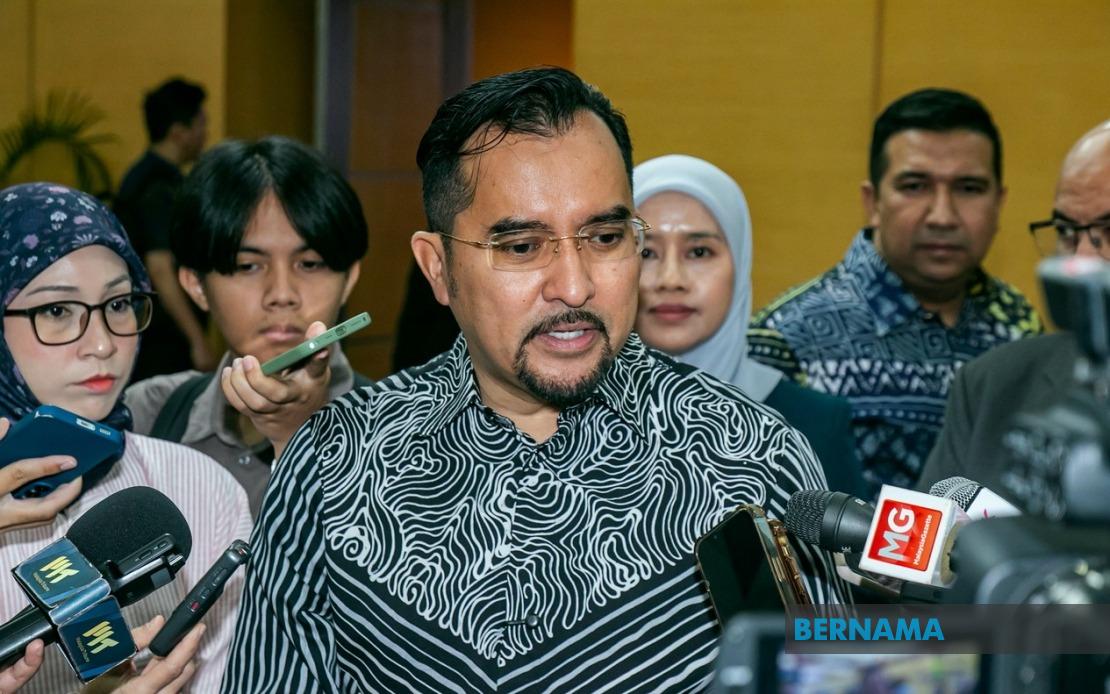
Datak Dr Asyraf Wajdi Dusuki, MARA's chairman, characterised the disappearance as an isolated occurrence during a media engagement following the 2026 pre-departure programme for MARA-sponsored students in Kuala Lumpur. He stressed that the incident should not become the justification for implementing rigid regulations that might disrupt the carefully balanced activities and programmes these colleges have successfully operated over many years. His remarks reflect a conscious effort to prevent the institution from swinging too dramatically toward paternalism in response to what remains an exceptional situation.
Central to MARA's approach is the principle that students at elite junior science colleges require meaningful opportunities to develop independence and emotional maturity. The colleges have historically permitted students to venture into town once or twice monthly under specified conditions, with such outings conducted without mandatory teacher supervision. This policy reflects the broader pedagogical philosophy that supervised autonomy—rather than total institutional control—produces well-rounded individuals capable of navigating adult responsibilities. Asyraf Wajdi's comments underscored this educational rationale, suggesting that MARA recognises the tension between safeguarding students and allowing them space to mature.
The two students vanished following their visit to a health clinic on August 11 and were subsequently located near Pasar Seni in Kuala Lumpur four days later, on August 15. One girl was found in a state of acute psychological distress and suffered a panic attack, requiring immediate hospitalisation for medical observation and psychological assessment. The circumstances surrounding their disappearance—why they left the college, where they went, and what prompted their distress—remain subjects of active police investigation, with MARA representatives called in by authorities in Alor Gajah on Monday to assist inquiries into the matter.
Ashyraf Wajdi appealed to all stakeholders, including parents, media, and education officials, to afford both police and the institution adequate space to complete their investigative work before drawing conclusions or calling for sweeping policy changes. He noted that preliminary findings regarding the circumstances of the disappearance could not be disclosed at present, presumably due to investigative protocols and potential sensitivity surrounding the psychological wellbeing of the teenagers involved. This measured approach suggests MARA intends to base any policy adjustments on complete factual understanding rather than reactive impulses generated by initial media attention.
The incident has touched a nerve within Malaysia's education ecosystem, where safety at residential colleges remains a perennial concern for parents and policymakers alike. MRSM institutions, which cater to high-achieving students nationwide and serve as feeder institutions for Malaysia's universities and professional programmes, operate under heightened public scrutiny regarding duty of care. Any security breach or unexpected student absence generates significant parental concern and media coverage, creating pressure on college management to demonstrate competence in safeguarding. Yet overly restrictive policies can paradoxically undermine the colleges' core mission of developing academically and personally resilient young people prepared for tertiary education and careers.
The age of the missing students—16 years old—places them at a developmental stage where autonomy and social connection are psychologically important, even within structured institutional environments. Adolescents at this age require graduated freedom to develop decision-making skills and self-reliance. Complete restriction of external movement risks producing young adults insufficiently equipped to navigate independent living at university. Conversely, entirely unsupervised freedom creates legitimate safety risks. MARA's challenge lies in recalibrating this balance intelligently, perhaps by enhancing communication systems, modifying notification protocols for carers, or introducing check-in mechanisms that preserve freedom while improving institutional awareness of student whereabouts.
For Malaysian parents and students considering MRSM admission, this incident and MARA's response offer important signals about institutional culture and management philosophy. An organisation that responds to crisis with defensive restriction without thorough investigation suggests inflexibility and paternalism. Conversely, MARA's determination to distinguish between exceptional circumstances and systemic policy indicates confidence in its basic procedures and commitment to student development as a core institutional value. The psychological distress experienced by one student—manifesting in a panic attack—also raises questions about mental health support systems at residential colleges, an increasingly critical concern as Malaysia's education sector reckons with adolescent anxiety and depression prevalence.
The broader regional context matters here too. Across Southeast Asia, residential elite schools face similar dilemmas in balancing protection with independence. Singapore's schools, Thailand's boarding institutions, and Indonesia's pesantren networks all grapple with how to provide security without creating oppressive environments. MARA's approach—thoughtful, evidence-based, and respectful of educational principles—could serve as a model for other institutions navigating comparable challenges in the region.
As investigations proceed, MARA's commitment to evidence-based policymaking rather than panic-driven restriction suggests the institution views this incident as a learning opportunity rather than an indictment of existing systems. This stance requires confidence in both institutional procedures and student resilience. Over the coming weeks, as details emerge from police findings and internal reviews conclude, Malaysian education stakeholders will watch closely to see whether MARA's measured response produces thoughtful reform or whether external pressure generates reactionary policy shifts that ultimately diminish the college experience.

