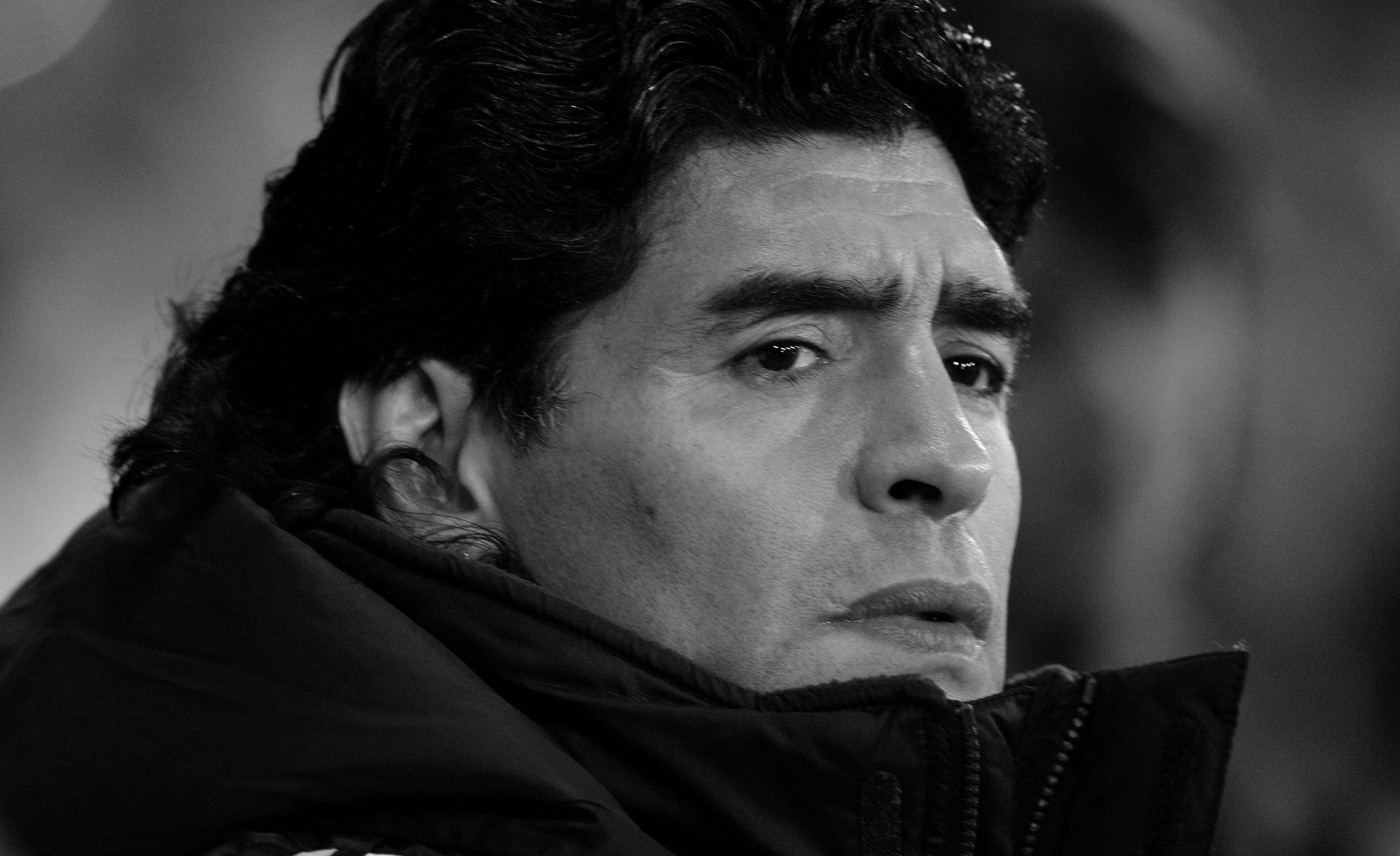
The ongoing manslaughter trial connected to the death of Argentine football icon Diego Maradona has been temporarily halted after authorities uncovered a significant procedural error involving laboratory results. According to reports cited by the German Press Agency, kidney test findings that were filed as belonging to Maradona were discovered to have originated from his father, who passed away in 2015. The confusion has forced the Buenos Aires court to pause proceedings for seven days while ordering the retrieval and examination of authentic medical documentation.
Maradona, widely regarded as one of the greatest athletes in football history and the architect of Argentina's 1986 World Cup triumph, suffered a fatal heart attack on November 25, 2020. His passing at age 60 triggered an immediate investigation into the circumstances surrounding his final months, particularly the quality of medical supervision provided during his recovery from brain surgery performed just weeks before his death. The incident has since become one of the most closely watched legal cases in Argentine sporting history, touching on fundamental questions about medical accountability and duty of care.
The current prosecution involves seven defendants accused of contributing to Maradona's death through negligence or gross misconduct. Among those facing charges are Leopoldo Luque, who served as Maradona's personal physician; Agustina Cosachov, identified as his psychiatrist; and an additional doctor functioning as a psychologist. Also implicated are the medical coordinator employed by Maradona's health insurance provider and two individuals who served as his home caregivers. All seven have categorically denied the allegations against them, maintaining that they acted appropriately given the circumstances.
The investigative focus has centred on what prosecutors describe as serious lapses in the at-home care regime that Maradona received following his neurosurgical procedure. Authorities allege that the combination of inadequate medical oversight, potentially inappropriate pharmaceutical management, and insufficient monitoring of the patient's condition created a dangerous environment that may have precipitated or contributed to the cardiac event. The complexity of Maradona's health situation—involving post-surgical recovery, documented substance abuse history, and multiple chronic conditions—has made establishing clear causal chains between alleged negligence and death particularly challenging.
This marks the second iteration of proceedings in the case, underscoring the procedural obstacles that have plagued efforts to reach resolution. A previous trial was rendered entirely invalid in May 2023 after consuming 21 days of court time, following revelations that one member of the three-judge panel had participated in an unauthorised documentary film examining the very trial she was sitting on. Such involvement was deemed fundamentally incompatible with judicial impartiality, forcing authorities to restart the entire process from its initial stages with a new judicial composition.
The documentary controversy illustrates the intense public and media scrutiny surrounding Maradona's death and the subsequent legal proceedings. The case has captivated audiences across Latin America and beyond, given Maradona's iconic status in global sports culture and the apparent involvement of multiple healthcare professionals whose conduct directly affected a national treasure. Argentine media outlets have devoted considerable coverage to every development, treating the proceedings as a matter of significant public interest rather than routine criminal adjudication.
For Malaysian and Southeast Asian observers, the Maradona case offers instructive lessons about medical negligence prosecution in high-profile circumstances. The complexities evident in establishing liability—distinguishing between medical judgment errors and reckless misconduct, determining which interventions fell below acceptable standards of care, and proving causal relationships between specific omissions and fatal outcomes—mirror challenges that Asian jurisdictions face when prosecuting healthcare professionals. The case demonstrates how even straightforward questions about patient records can derail proceedings, highlighting the importance of meticulous documentation protocols in complex medical cases.
The misplaced kidney test results represent more than a clerical error; they exemplify how procedural failures can undermine the pursuit of justice and delay accountability. For a trial already compromised once by judicial impropriety, additional evidentiary difficulties risk further eroding public confidence in the legal process. Argentine authorities appear committed to proceeding despite these obstacles, but the accumulating complications suggest that final resolution remains distant.
The suspension also provides defence teams with valuable time to examine the corrected documentation and assess its implications for their respective clients' positions. Each defendant has maintained varying degrees of separation from the critical decisions regarding Maradona's treatment and monitoring. The accuracy and completeness of medical records will prove essential to determining individual culpability, making the court's decision to comprehensively review authentic documentation a procedurally sound response to the discovered irregularity.
As the trial resumes following the one-week pause, investigators and prosecutors will face the challenge of reconstructing Maradona's final weeks with meticulous attention to evidentiary quality. The case serves as a reminder that even legendary figures receive ordinary legal protections and procedural safeguards, while simultaneously demonstrating the exceptional difficulties that arise when high-profile deaths intersect with Argentina's criminal justice system under intense public and international scrutiny.

