President Ferdinand Marcos Jr has reaffirmed his confidence in the Armed Forces of the Philippines even as the National Bureau of Investigation names active uniformed personnel as persons of interest in an alleged plot to assassinate the nation's leader. The development emerged during proceedings into the impeachment trial of Vice President Sara Duterte, where NBI Director Melvin Matibag disclosed that investigators are examining the involvement of serving military officers in the alleged conspiracy.
The assassination allegations surfaced at a particularly sensitive moment in Philippine politics, with Duterte facing impeachment proceedings that have intensified political tensions in the country. Matibag's revelation that not only active armed forces members but also individuals within the Vice President's security apparatus are under scrutiny has added another layer of complexity to the ongoing constitutional crisis. The implication that security personnel close to the Vice President may be involved in such a plot underscores the fractious state of government institutions and the deep political divisions that have emerged between the President and his former running mate.
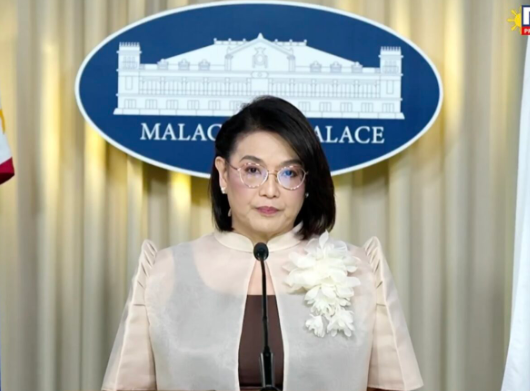
Palace Press Officer Claire Castro sought to manage the political fallout during a subsequent media briefing, emphasising that Marcos maintains complete trust in the military establishment despite the serious allegations. Castro's carefully worded statement reflected the delicate balancing act the administration must perform: acknowledging the severity of the investigation while avoiding any appearance of blanket suspicion toward the armed forces. The President's office clearly recognises that wholesale loss of confidence in military leadership could itself destabilise the state, particularly given the armed forces' central role in national security and domestic stability.
Castro articulated a distinction between the institution itself and any individuals within it who might deviate from their constitutional duties. She emphasised that if any military personnel have strayed from their proper mandate, they should be identified and held accountable, framing such accountability as a necessary protective measure for the President rather than as an indictment of the institution. This framing attempts to preserve institutional confidence while addressing the immediate security threat posed by the alleged conspiracy.
The Palace further indicated that any individuals contemplating unlawful actions undertaken to protect or advance the interests of particular political figures should face identification and consequences. This broader statement appeared directed at the wider political context, suggesting concern extends beyond the specific assassination allegations to encompass a pattern of institutional capture or politicisation that might compromise impartiality and adherence to constitutional principles. For Malaysian observers, this reflects a concerning pattern of institutional strain that has become increasingly visible across the region.
Castro clarified that the President has not instituted any systematic loyalty investigations or purges within the armed forces, leaving matters of internal discipline and investigation to military leadership and the security establishment. This restraint, whether born of pragmatism or constitutional principle, suggests the administration believes it can rely on military leadership to police its own ranks. Yet the implicit recognition that some elements within the armed forces cannot be trusted raises fundamental questions about the coherence of command authority and institutional discipline within the Philippine military.
Meanwhile, Vice President Duterte made a startling public statement during the impeachment proceedings, claiming she had previously instructed someone that if they were to kill her, they should also eliminate President Marcos, his sister Liza Araneta, and House Speaker Martin Romualdez. The Vice President's disclosure, made in Filipino and repeated with emphasis that she was serious, suggested either an extraordinary level of political antagonism or an attempt to preempt accusations of conspiracy by framing herself as aligned with potential threats rather than separated from them.
Duterte's cryptic statement complicates the assassination plot narrative considerably. Rather than displaying fear or concern about alleged threats against the President, her remarks appeared to conflate her own security with that of the President and key administration figures, blurring the distinction between personal vendetta and institutional conspiracy. The statement raised questions about her state of mind, her understanding of the conspiracy allegations, or her attempt to establish an alternative narrative regarding her position within the political establishment.
The subsequent issuance of an NBI subpoena to Duterte indicated investigators' determination to secure her formal testimony regarding her knowledge of the alleged plot. However, Duterte's non-compliance with the subpoena further escalated the constitutional confrontation. Her refusal to answer questions under official compulsion raised additional concerns about the rule of law and the capacity of investigative authorities to pursue leads regardless of the political status of those involved. For a regional audience, the episode demonstrates how Philippine institutional conflicts have metastasised into questions about the basic functioning of law enforcement.
The broader context reveals a nation grappling with severe institutional fragmentation. That active military officers allegedly feature in a plot against the sitting President, and that the Vice President appears simultaneously involved in the political crisis while delivering cryptic statements about potential violence, suggests governance structures under considerable strain. The Marcos administration's measured public response prioritises maintaining faith in institutions while allowing investigative processes to proceed, yet the underlying tensions point to deeper problems of elite cohesion and institutional loyalty.
For Malaysia and other Southeast Asian states observing these developments, the Philippine situation underscores the vulnerability of democratic institutions when fundamental political consensus fractures. The convergence of impeachment proceedings, assassination allegations, and the involvement of security personnel illustrates how quickly constitutional government can come under pressure when major political actors lose confidence in each other. That President Marcos must publicly reassert trust in an institution that allegedly harbours threats to his life reflects the precarious balance these nations must maintain between institutional preservation and personal security.

