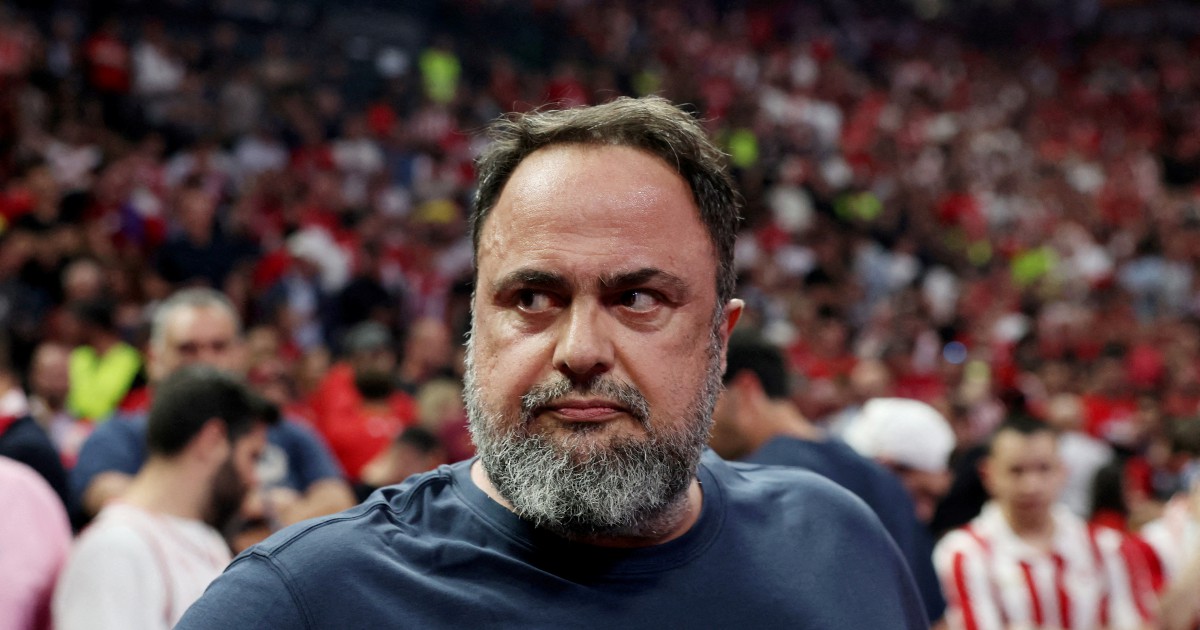
Nottingham Forest's majority shareholder Evangelos Marinakis has escalated a dispute with Premier League side Crystal Palace by launching formal libel proceedings at London's High Court, marking a significant moment in the often-contentious world of football club ownership and fan conduct. The Greek businessman filed the lawsuit on Monday, with credible media outlets subsequently reporting that the legal action centres on a controversial banner unfurled by Crystal Palace supporters during a fixture in the previous campaign. The case represents an unusual but not unprecedented instance of a club owner pursuing legal remedies against rival supporters for statements made through protest materials.
Marinakis, who acquired Nottingham Forest in 2017 and has since invested substantially in revitalising the East Midlands club, has demonstrated his willingness to protect his reputation through legal channels on multiple occasions. His decision to pursue a High Court action rather than allowing the matter to dissipate reflects the seriousness with which he regards the banner's content. While precise details of the alleged defamatory message remain subject to legal privilege at this early stage, media reporting suggests the banner contained material Marinakis believes falsely damaged his standing or character. The case will unfold within England's notoriously strict libel framework, which places significant burden on defendants to prove statements as true or protected comment.
The banner incident occurred during ordinary league play between two established Premier League competitors, yet it has snowballed into formal litigation that will now occupy the English legal system. This escalation highlights the increasingly fraught relationship between club ownership, particularly ownership by foreign billionaires, and supporter activism. Crystal Palace, owned by American businessman John Textor, has historically maintained a relatively hands-off approach to their supporter base, though the club itself is not party to the suit. Rather, the legal action targets the conduct of supporters, raising complicated questions about the liability of football clubs for the actions of their fan communities.
For Malaysian and Southeast Asian football enthusiasts, this dispute offers instructive lessons about how football governance and fan expression operate differently across jurisdictions. English libel law provides significantly greater protections for wealthy individuals than many other legal systems, and the High Court represents the apex of civil litigation in the United Kingdom. The case will require comprehensive examination of what the banner actually stated, the context in which it was displayed, and whether any statements made constituted factual claims about Marinakis or merely expressions of opinion. The distinction between opinion and fact becomes legally crucial, as protected opinion cannot form the basis of successful libel claims.
Marinakis' ownership of Nottingham Forest has been transformative for the club's financial fortunes but occasionally contentious. The Greek shipping magnate has pumped considerable resources into team development, facility improvements, and infrastructure investment, yet his stewardship has not been universally celebrated by all football observers. His previous involvement in other sports and business ventures, combined with his relatively public profile in Greek business circles, means that any allegations regarding his conduct or character carry potential ramifications beyond football. The decision to pursue litigation suggests Marinakis believes the banner's allegations have caused genuine reputational damage warranting legal intervention.
The broader implications of this case extend beyond the immediate parties involved. Should Marinakis prevail, it may embolden other wealthy club owners to pursue similar actions against supporter protests, potentially chilling fan expression and activism. Conversely, if Crystal Palace's supporter base successfully defends the statement as protected opinion or provable fact, it could reinforce existing precedent protecting fan criticism of club ownership. The case will likely generate considerable interest within football legal circles, particularly among professionals advising clubs, supporters' trusts, and wealthy owners operating in jurisdictions with strong libel protections.
Crystal Palace itself faces an awkward positioning, caught between defending supporter autonomy and managing relationships with rival ownership. While the club is not a defendant, the reputational implications of having supporters' materials deemed defamatory could create internal tensions. The Premier League has occasionally intervened in disputes between clubs and supporter groups, though direct ownership litigation represents uncharted territory for English football governance. The question of whether supporter group statements carry implicit club endorsement remains unsettled in English law, and this case may provide important clarification.
The procedural journey ahead will require extensive discovery, potential witness testimony, and expert evidence regarding the banner's content and context. High Court libel cases typically consume considerable time and financial resources, with legal costs potentially reaching into six figures even before trial. For Marinakis, the litigation expense appears justified by his perceived necessity to protect his reputation. For the supporter community at Crystal Palace, the legal challenge may feel as an attempt to suppress legitimate criticism of wealthy ownership practices increasingly dominant in English football.
This dispute ultimately reflects fundamental tensions within contemporary professional football regarding the proper relationship between wealthy owners, club governance, and supporter expression. As foreign billionaires and investment groups continue acquiring Premier League clubs, conflicts between ownership prerogatives and fan activism will likely intensify. The outcome of Marinakis' case against Crystal Palace will provide important legal guidance for how English courts balance defamation protections for wealthy individuals against supporter rights to protest and criticise. For Malaysian readers following English football, this case demonstrates how commercial sport increasingly intersects with serious legal and constitutional questions about free expression, reputation, and the limits of owner authority within established sporting communities.

