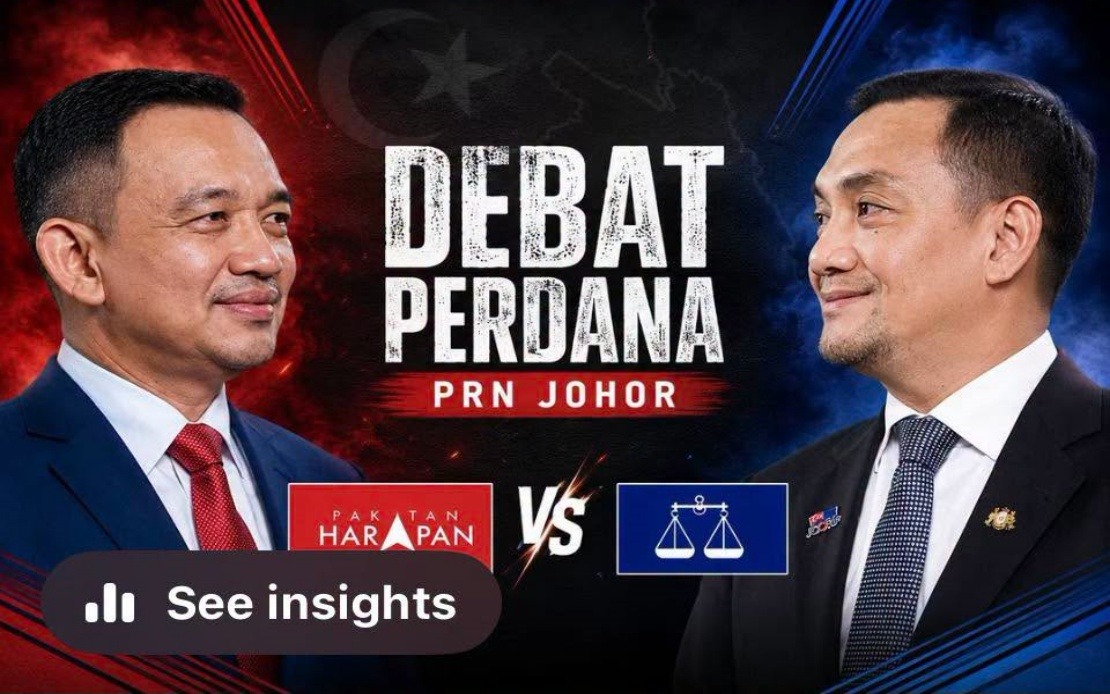
Former Education Minister Maszlee Malik has confirmed his participation in a high-profile public debate with Johor Menteri Besar Onn Hafiz Ghazi as the state gears up for electoral contests this month. The exchange marks an unusual moment of cross-party engagement within Malaysia's increasingly polarized political landscape, with the two figures set to take centre stage in what organisers expect to become a defining event of the campaign period. Maszlee, who was unveiled as Pakatan Harapan's contender for the Puteri Wangsa constituency, framed his acceptance as an expression of commitment to democratic norms and grassroots political education.
The debate proposition originated from social media influencer Muhamad Harris Nasril and gained wider circulation through the Redaksi.com platform after Pakatan Harapan chairman Anwar Ibrahim revealed the coalition's complete roster of 56 candidates for the state contests. What began as a social media initiative has evidently resonated with both major political camps, attracting inquiries from numerous quarters seeking confirmation of participation. The unusual grassroots momentum behind the event underscores growing public appetite for substantive political discourse beyond traditional campaign rallies and partisan rhetoric, a trend that carries significance for how Malaysian politics may evolve in coming years.
In his announcement via Facebook, Maszlee emphasised that accepting the challenge reflected his dedication to elevating political maturity among voters. His framing stressed that debates and structured dialogue could function as genuine educational instruments rather than mere opportunities for partisan point-scoring. This rhetorical positioning distinguishes the proposed exchange from conventional campaign events, suggesting that both camps may view the encounter as an opportunity to demonstrate intellectual rigour and policy substance. The language Maszlee employed—invoking democratic values and inviting voters to engage with substantive ideas—implies a deliberate effort to shift the tone of electoral competition toward a more sophisticated register.
Packatan Harapan's candidate distribution across the state reflects a careful negotiation among coalition partners. The alliance has deployed 20 candidates from PKR, 19 from Amanah, and 17 from DAP, representing a significant organisational effort to field a competitive slate. Maszlee's involvement as a high-profile candidate carries particular symbolic weight given his previous ministerial portfolio and his standing within reformist circles. His acceptance of the debate challenge may therefore signal Pakatan Harapan's confidence in its campaign messaging and its willingness to engage opponents on platforms where policy substance and rhetorical skill take prominence.
The timing of the debate announcement coincides with the formal machinery of the election process now in motion. The Election Commission has scheduled nomination day for this Saturday, with early voting set for July 7 and polling day for July 11. This condensed timeline compresses the campaign period into a relatively short window, making any high-visibility event such as this debate particularly consequential for shaping voter perceptions. In such a compressed electoral environment, the debate could function as a focal point for media coverage and public attention, potentially influencing how undecided voters assess the competing visions and capabilities of the two major camps.
Onn Hafiz, as the sitting Menteri Besar, enters the debate from a position of incumbent authority, while Maszlee carries the burden and potential advantage of representing an alternative vision for governance. The contrast between their respective backgrounds and ideological orientations—Onn Hafiz as a Barisan Nasional representative managing state apparatus and resources, Maszlee as a former reformist minister now representing a coalition focused on institutional renewal—provides genuine substance for substantive debate. Questions concerning governance capacity, development priorities, accountability mechanisms, and the role of federal-state relations are all likely to emerge as points of contention.
For Malaysian observers beyond Johor, this debate carries broader implications for how electoral politics may develop nationwide. Public interest in substantive policy debates has grown markedly in recent years, yet opportunities for direct confrontation between major figures remain comparatively rare. The willingness of both camps to participate in such an encounter—if indeed Onn Hafiz's camp confirms participation—would demonstrate recognition that contemporary voters, particularly younger and more educated demographics, increasingly demand evidence of intellectual coherence and policy expertise. This shift toward debate-centred campaigning could establish expectations for future electoral contests at state and federal levels.
The social media genesis of the debate proposal also warrants attention for what it reveals about contemporary Malaysian political mobilisation. Influencers and digital platforms now possess sufficient reach to shape the agenda of mainstream electoral campaigns, a development that sits uncomfortably with traditional party machinery but reflects genuine shifts in how information circulates and opinion forms. That Muhamad Harris Nasril's initiative gained traction sufficient to prompt responses from major political figures indicates that extra-institutional actors now exercise meaningful influence over campaign dynamics. This transformation presents both opportunities and challenges for electoral integrity and the quality of public deliberation.
Maszlee's explicit invocation of democratic principles in justifying his participation suggests awareness that some segments of the electorate view formal debates as particularly valuable arenas for assessing candidate credibility. By accepting the challenge gracefully and emphasising the educational potential of dialogue, he positions Pakatan Harapan as confident and unafraid of public scrutiny. This rhetorical strategy may prove particularly effective if the debate itself unfolds in a manner that allows complex policy issues to receive serious treatment. Conversely, should the exchange devolve into acrimony or theatrical confrontation, the reputational benefits Maszlee anticipates may fail to materialise.
As Johor voters prepare to cast their ballots in what many analysts view as a bellwether contest for broader national political trends, the impending debate between Maszlee and Onn Hafiz represents a moment where electoral competition transcends mere partisan rivalry. If executed with genuine intellectual engagement, the debate could establish a template for more substantive political discourse across Malaysia's electoral landscape. The coming weeks will reveal whether this optimistic vision of democratic deliberation proves realistic or whether conventional patterns of campaign rhetoric ultimately reassert themselves.

