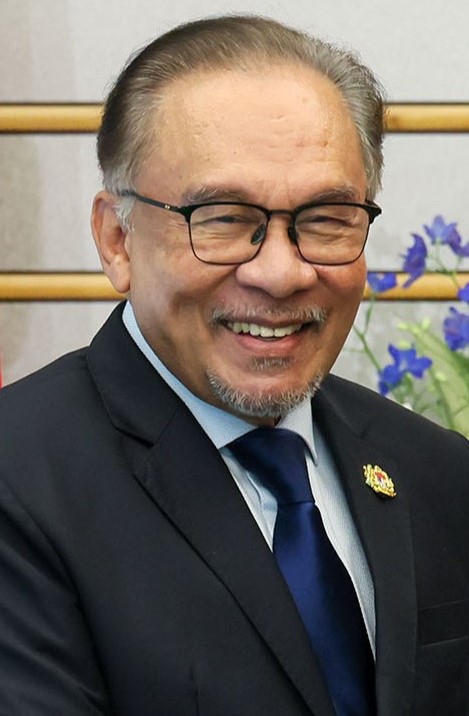
Political circles in Johor are buzzing with chatter surrounding a potential candidacy for Dr Maszlee Malik, the former education minister, with indications he could represent the People's Justice Party (PKR) in the approaching state election. The speculation reflects ongoing discussions within the party machinery about positioning for electoral contests that remain to be formally called, though their timing looms large in regional political calculations.
Dr Maszlee's profile has undergone notable evolution since his tenure in the education portfolio, during which he pursued curriculum modernisation and policy initiatives that generated considerable debate. His departure from the ministry marked a transition in his political career trajectory, with subsequent roles allowing him to maintain a presence within PKR's leadership structures while the party navigates increasingly complex coalition dynamics across multiple state administrations.
The reference point for Johor's electoral schedule carries significance given the state's demographic weight and economic importance to Malaysia's overall development. Johor's political complexion has shifted notably in recent electoral cycles, with various coalitions competing for influence over one of the peninsula's most industrialised and populous states. Any contest would occur within a landscape where voter sentiment encompasses local governance priorities alongside broader national political currents.
PKR's strategy in Johor reflects broader coalition arithmetic that shapes contemporary Malaysian politics. The party operates within multi-party frameworks in several state administrations, requiring careful calibration of seat allocations and candidate selections to maintain internal stability while maximising electoral competitiveness. Candidate announcements, when they arrive, will telegraph these calculations to constituency associations and grassroots members alike.
For potential candidates under discussion, the decision to contest represents more than individual career progression. Standing for election demands confidence in one's political positioning, understanding of local ground realities, and alignment with party messaging around economic development, service delivery, and governance reform. The candidacy speculation itself indicates internal party confidence in Dr Maszlee's viability in electoral competition, though formal confirmation has not yet materialised.
Johor's electoral prospects carry implications extending beyond state boundaries. The southern corridor remains strategically important to national political balance, influencing coalition configurations at federal level and resource allocation to regional development programmes. Electoral outcomes in major states shape parliamentary mathematics and government sustainability, making candidate selections consequential for Malaysia's broader political architecture.
PKR's positioning in Johor reflects the party's evolution from an opposition movement toward sustained governance participation across multiple levels. This transition has required developing candidates capable of managing constituent expectations while implementing government programmes, balancing reformist messaging with administrative pragmatism. The party's candidate selection processes increasingly weigh experience in office delivery alongside political credentials and organisational connections.
The speculative nature of current discussions underscores the timing constraints typically governing election preparation. Political parties generally maintain discretion over candidate announcements, revealing them strategically to manage media narratives and party organisation dynamics. The emergence of Maszlee Malik's name in public speculation suggests broader conversations within the party have reached a level generating external discussion, though formal verification from official sources remains outstanding.
For Malaysian voters monitoring Johor politics, candidate selections offer windows into how parties assess political landscape shifts and emerging issues. The choice between experienced administrators, grassroots activists, and personalities with media prominence reflects competing visions for state governance and political strategy. Maszlee Malik's potential candidacy would represent one approach to fielding candidates with demonstrated administrative experience and public visibility.
The coming months will clarify whether speculation crystallises into formal candidacy announcements. Electoral preparation typically accelerates following legal notice of dissolution or election scheduling, at which point parties move from deliberation to announcement. Until such formal steps occur, Johor political observers and party loyalists will continue assessing which candidates ultimately secure nomination, what these selections reveal about party direction, and how constituencies respond to the candidates presented for their consideration in what promises to be a competitive electoral contest.