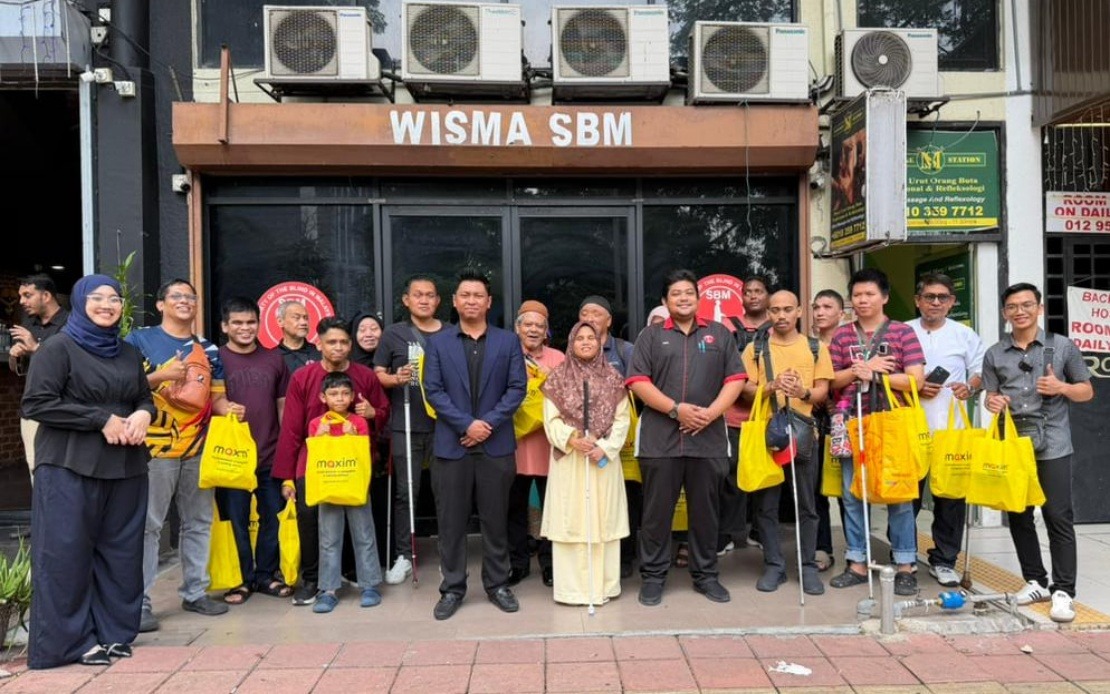
E-hailing operator Maxim is accelerating its mission to tackle mobility challenges facing persons with disabilities, elderly residents, economically disadvantaged families, and other marginalised segments of Malaysian society. The platform is leveraging a combination of competitive pricing, technological innovation, and strategic alliances with community stakeholders to ensure transportation remains within financial reach and physically accessible for all Malaysians, irrespective of their social or economic position.
Syed Abdul Syarif Syed Peiaru, Head of Maxim Kuala Lumpur, emphasised that the company regards transportation as fundamentally more than mere conveyance between destinations. Rather, the executive positioned mobility as a critical enabler of human opportunity, autonomy, and dignity. His statement underscores an increasingly recognised principle in the region: that accessible transportation infrastructure directly correlates with measurable improvements in employment prospects, educational attainment, and social participation for vulnerable populations. This perspective aligns with broader Southeast Asian development goals that prioritise inclusive growth.
The company's inclusive vision explicitly encompasses persons with disabilities (OKU), senior citizens, students from low-income households, and residents of underserved communities. Syed Abdul Syarif articulated that dependable transportation networks fundamentally empower individuals to pursue educational pathways, secure livelihood opportunities, access essential healthcare services, and maintain meaningful social connections. By removing transportation as a barrier to participation, Maxim argues that vulnerable Malaysians can exercise greater agency over their own life trajectories and contribute more fully to economic and civic life.
Maxim's strategy rests on the principle that affordability and accessibility must advance in tandem. The platform has committed to maintaining competitive fares whilst simultaneously expanding service provision into geographically remote and economically challenged areas where conventional ride-hailing operators may find limited commercial incentive. This dual approach recognises that cost sensitivity remains a significant constraint for low-income households, whilst rural and isolated populations face severe service gaps that market forces alone may not address.
A cornerstone of Maxim's accessibility programme is the Mesra OKU service, a specialised offering designed specifically for persons with disabilities. This initiative incorporates extended vehicle waiting periods, driver training in disability assistance protocols, dedicated support for mobility aids, and voice-recognition booking capabilities. Passengers can communicate specific assistance requirements directly through the mobile application, enabling drivers to prepare appropriate support measures before arrival. The feature demonstrates how technology can be deliberately engineered to reduce friction for users with particular mobility or sensory needs.
On the technology front, Maxim has prioritised user experience features that enhance accessibility for diverse passenger cohorts. The platform's digital interface emphasises transparent fare structures, live driver location tracking, and streamlined booking processes designed to minimise complexity and transaction time. The company has signalled its commitment to introducing further innovations as technological capabilities advance, with particular emphasis on features benefiting passengers from marginalised communities. This forward-looking stance suggests recognition that accessibility requirements are dynamic and evolving.
Maxim has established partnerships with the Society of the Blind in Malaysia to promote TalkBack voice-recognition functionality and educate visually impaired users about digital mobility tools tailored to their requirements. Such collaboration demonstrates how private sector mobility providers can leverage existing disability advocacy networks to enhance service adoption and refine offerings. These partnerships also strengthen community trust and credibility, as disabled persons' organisations hold significant legitimacy within their constituencies.
Beyond fare management, Maxim has introduced targeted pricing schemes benefiting persons with disabilities and individuals with specialised needs, ensuring mobility remains financially accessible. The company has also extended support into the adaptive sports ecosystem, providing transport assistance to para-athletes and adaptive sports communities. Recent examples include arranging transportation for Sarawak para swimmers attending training sessions and competitive events, illustrating how mobility services can facilitate athletic participation and performance among persons with disabilities.
The philosophical foundation underpinning Maxim's inclusive strategy rests on the conviction that technology should serve the entire population, not merely privileged segments. This principle carries particular significance in Malaysia, where demographic diversity, geographic dispersion, and income inequality create complex transportation challenges. Syed Abdul Syarif has indicated that the company will continue refining its platform architecture whilst maintaining close engagement with community partners and disability advocacy organisations to deepen understanding of user requirements and barriers.
Looking forward, Maxim has outlined an intention to strengthen collaborative relationships with government agencies, healthcare systems, non-governmental organisations, educational institutions, and community groups to progressively expand mobility access across the Malaysian landscape. This multilateral approach recognises that transportation accessibility cannot be addressed through private sector initiatives alone, but requires coordinated engagement across public, private, and civil society domains. By positioning itself as a bridge to opportunity rather than a commercial obstacle, Maxim articulates a vision of transportation that prioritises inclusion and social equity alongside commercial viability, establishing a template that other regional operators may reference as they contemplate their own responsibilities toward underserved populations.

