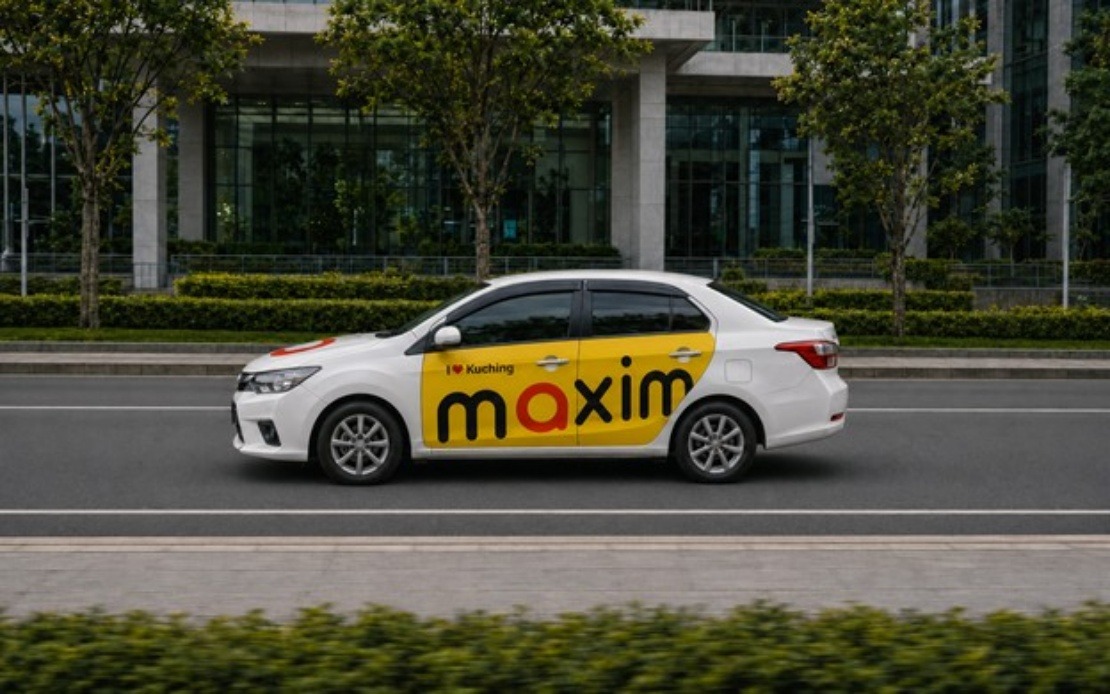
Maxim Malaysia has released data demonstrating strong safety performance across its platform, with safety-related complaints constituting less than one per cent of all customer enquiries handled during the first six months of this year. The disclosure comes through the company's inaugural Safety and Legal Compliance Report, marking an effort to provide greater transparency in an industry that has faced intense scrutiny from regulators and the public regarding driver conduct and passenger protection.
The breakdown of enquiries reveals operational patterns typical of ride-hailing platforms. Drivers generated 61.5 per cent of all support requests, while passengers accounted for the remaining 38.5 per cent. The nature of these inquiries centred predominantly on routine matters: general support, payment processing, fare-related questions, refund requests, and issues arising from individual trips. The relatively low proportion of safety-specific complaints suggests that despite high-profile incidents that have periodically dominated headlines across Southeast Asia, the majority of user interactions with the platform proceed without significant security concerns.
The company has prioritised expedited handling of any safety-related matters that do emerge. Maxim Malaysia has equipped its application with enhanced safety features, including a reinforced SOS function that permits passengers to rapidly notify designated emergency contacts while simultaneously sharing precise trip information. These technological safeguards represent a standard industry response to passenger anxieties, though their effectiveness depends significantly on user awareness and willingness to engage with these tools during emergencies.
Service quality metrics presented in the report indicate operational efficiency. More than 90 per cent of all enquiries received during the reporting period reached resolution, with a notable 70 per cent processed within 24 hours. These figures suggest a well-resourced customer support operation capable of managing routine issues promptly, though the distinction between resolution and satisfactory resolution remains unclear from the available data. The company's ability to close enquiries within a single business day likely reflects the straightforward nature of most payment and technical issues users encounter.
Mohd Hazwan Musley, Maxim Malaysia's director, framed the report's publication as contributing to evidence-based discourse within the e-hailing sector. He emphasised that meaningful transparency requires stakeholders—passengers, drivers, and government authorities—to access concrete information about issue resolution mechanisms, response timeframes, and concrete compliance steps. This framing positions transparency as extending beyond conventional business metrics to encompass operational practices directly affecting public trust and regulatory confidence. For Malaysian regulators already concerned about ride-hailing safety standards, such voluntary reporting offers useful benchmarks for assessing industry-wide performance.
A significant portion of the report addresses the company's driver licensing verification programme, an area where regulatory compliance intersects directly with earnings potential for participating drivers. Maxim Malaysia provides financial assistance to drivers navigating the complex process of obtaining Public Service Vehicle (PSV) licensing and Electronic Vehicle Permit (EVP) authorisation. The company channelled RM2,015,090 into driver compensation and licence verification support during the first half of 2026, enabling hundreds of drivers to manage the dual financial and administrative burdens these requirements impose.
The licensing support infrastructure reflects partnership with established driving schools and government agencies. Maxim Malaysia has established a dedicated internal team working collaboratively with these partners to streamline applications and reduce processing obstacles. Verification activities accelerated significantly between quarters, with second-quarter activity exceeding first-quarter figures by 22.5 per cent. The standard verification process requires two to three days on average, a timeframe that suggests either genuine efficiency or administrative streamlining that bypasses rigorous scrutiny.
This investment in compliance carries substantial implications for the driver base. By absorbing licensing costs and facilitating regulatory processes, Maxim Malaysia effectively reduces barriers to formalisation within its workforce. For drivers accustomed to informal transport arrangements, these supports may meaningfully accelerate their transition toward regulated status. Conversely, the arrangement potentially blurs boundaries between commercial incentive and regulatory compliance, raising questions about whether state licensing requirements maintain appropriate independence from platform interests.
The initiative responds to Malaysia's intensified regulatory focus on ride-hailing operations. Following years of tension between authorities seeking enhanced safety and accountability measures, the government has progressively tightened requirements for driver licensing and vehicle authorisation. Platforms operating in Malaysia must now navigate a significantly more complex compliance landscape than existed during earlier operational years. Maxim Malaysia's substantial financial commitment demonstrates recognition that compliance costs represent a legitimate business expense rather than regulatory imposition to resist or circumvent.
The report's timing carries strategic weight amid broader regional developments. Throughout Southeast Asia, ride-hailing platforms face mounting pressure to demonstrate safety consciousness and regulatory alignment. Thailand, Indonesia, and the Philippines have each introduced or contemplated more stringent requirements. Malaysia's approach, while still developing, follows this regional pattern toward enhanced oversight. Industry-leading companies like Maxim Malaysia face incentives to exceed minimum requirements, positioning themselves as responsible operators worthy of regulatory cooperation rather than confrontation.
For Malaysian consumers, these reported metrics offer modest reassurance regarding basic operational safety, though the absence of independent verification limits their utility. The relatively low safety-complaint rate may reflect genuine safety, user reluctance to report concerns, or definitional narrowness regarding which issues qualify as safety-related. The 90 per cent resolution rate similarly requires contextualisation—resolution may mean closure without satisfaction, particularly regarding fare disputes or perceived unfair driver deactivations.
Maxim Malaysia's emergence as a major regional player since its 2019 launch has positioned it as a significant actor in Malaysia's transport ecosystem. The company operates across multiple service categories including passenger ride-hailing, delivery, and additional on-demand services through its integrated application platform. This diversification reduces dependence on any single revenue stream while creating complex regulatory obligations spanning multiple sectors. The company's willingness to publish compliance data proactively suggests confidence in its operational practices and recognition that transparency itself constitutes competitive advantage in an increasingly scrutinised industry. Whether this voluntary disclosure model sufficiently satisfies public and regulatory expectations remains an open question as Malaysia's ride-hailing oversight continues evolving.

