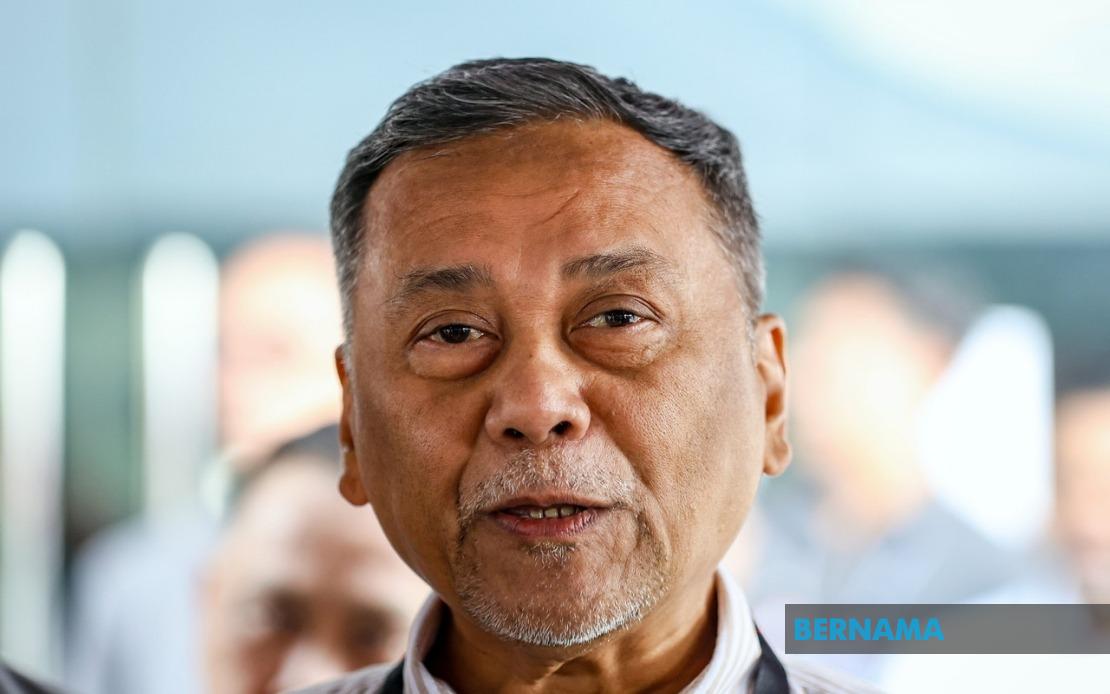
With voters preparing to cast their ballots in tomorrow's Johor state election, the Election Commission has moved to clarify jurisdictional boundaries around campaign material oversight, announcing that members of the public should lodge complaints about online content directly with the Malaysian Communications and Multimedia Commission. EC Chairman Datuk Seri Ramlan Harun made the distinction clear during a site visit to ballot box checking facilities in Pontian, emphasizing that while the commission's own enforcement team has successfully removed physical posters from various locations, digital campaign materials fall outside its purview and require MCMC intervention.
The clarification arrives at a critical juncture in the campaign season, with 2.7 million registered voters across Johor set to elect 56 state assemblymen in what will be the state's 16th general election. The division of responsibilities between regulatory bodies reflects the increasingly complex landscape of modern electoral campaigns, where traditional street-level posters compete for attention with viral social media content, each requiring different oversight mechanisms and enforcement approaches. By directing the public toward MCMC for digital complaints, the EC appears to be acknowledging both the volume and velocity of online campaign materials, which often spread faster than physical removal teams can operate.
The announcement follows growing concerns within political circles about campaign conduct, particularly the use of prominent figures not themselves contesting in the election. UMNO Supreme Council member Datuk Seri Shahaniza Shamsuddin, who also serves as Pahang UMNO's information chief, had previously raised alarm about posters and banners featuring the likenesses of former Prime Minister Datuk Seri Najib Razak and his wife, Datin Seri Rosmah Mansor. Shahaniza characterized such tactics as extreme and potentially problematic, suggesting they were designed to manipulate voter sentiment rather than genuinely promote individual candidates standing for office.
This concern reflects broader anxieties about indirect campaign influence, where individuals associated with political movements lend their image and symbolic weight to electoral contests without formally participating in them. The practice raises questions about the spirit of fair competition in democratic elections, particularly when established figures with significant public recognition are mobilized to energize supporters of related candidates. Such approaches blur the line between candidate-specific campaigning and broader party positioning, creating ambiguity about who voters are ultimately supporting through their ballot choices.
Physical campaign materials have already drawn enforcement attention, with Ramlan noting that the EC's dedicated team has taken action to remove posters and banners from multiple locations following public complaints. This visible enforcement effort serves multiple purposes: it demonstrates the commission's commitment to maintaining standards, reassures voters that campaign rules have genuine teeth, and creates a visible record of compliance with electoral guidelines. However, the relatively straightforward nature of removing physical materials contrasts sharply with the distributed, ephemeral nature of online campaign content, where a single post can reach millions before deletion becomes possible.
The reliance on MCMC for online oversight places significant responsibility on Malaysia's telecommunications regulator, which must navigate the balance between preserving free expression and maintaining electoral integrity. The commission faces the practical challenge of monitoring campaign content across multiple platforms simultaneously while responding to complaints in real time during what is effectively the campaign's final hours. The infrastructure and personnel required for such monitoring represent a growing demand on regulatory resources as elections become increasingly digital in character.
For Malaysian voters and political observers, the EC's directive represents a practical guide for those concerned about improper campaign tactics. Rather than reporting online complaints to the election authority, which would lack the technical capacity to intervene on social media platforms or email networks, citizens should direct their concerns to MCMC through established channels. This streamlining of complaint processes aims to ensure that enforcement action reaches the appropriate regulatory body capable of taking meaningful steps, whether removing content or investigating the sources of problematic materials.
The timing of this clarification—delivered on the eve of polling day—suggests the EC had received sufficient complaints about online campaign materials to justify emphasizing the correct reporting mechanism to the public. The volume of such complaints likely reflects both increased campaign activity in the final stretch and greater public awareness of what constitutes inappropriate electoral conduct. Voters appear increasingly willing to police campaign boundaries themselves, using formal complaint mechanisms rather than simply ignoring content they find objectionable.
The Johor election carries significance beyond the state itself, as results will provide early indicators of voter sentiment and potential shifts in political allegiance ahead of future national contests. Campaign conduct in this election, including how online materials are managed and regulated, sets precedents for future electoral cycles. The EC's emphasis on proper channels and jurisdictional clarity suggests a determination to maintain credibility and demonstrate that electoral rules apply equally across both traditional and digital campaign spaces, a crucial foundation for public confidence in the democratic process.

