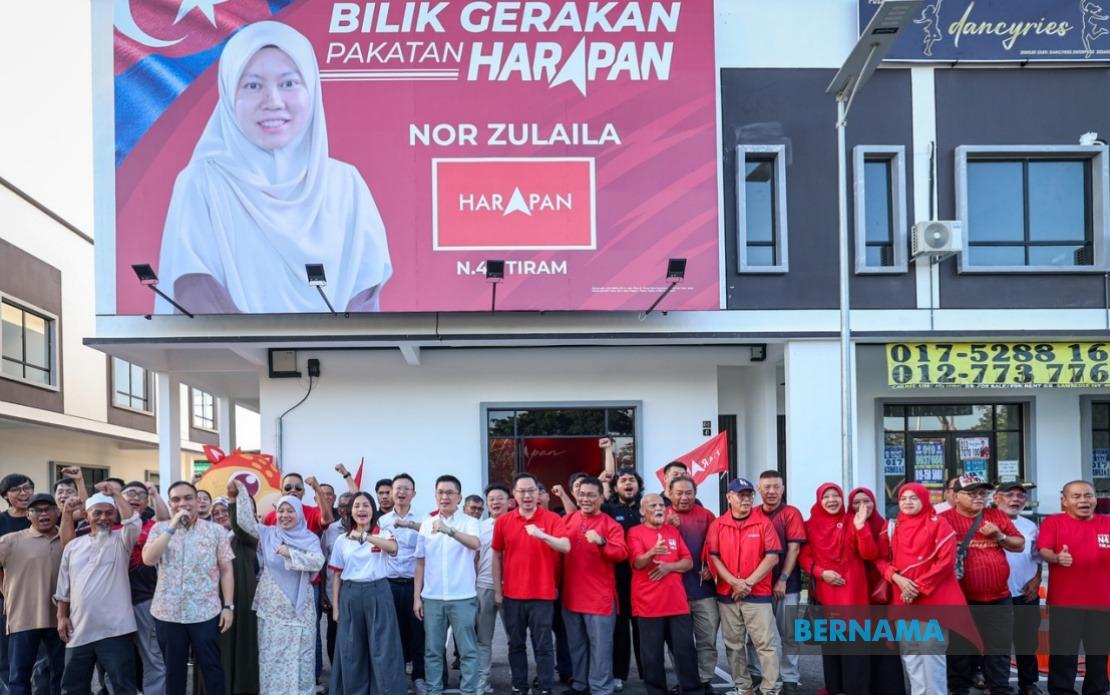
The Malaysian Communications and Multimedia Commission (MCMC) has been tasked with maintaining robust internet coverage throughout the Johor state election campaign, according to Deputy Communications Minister Teo Nie Ching. Speaking at the Pakatan Harapan operations room launch for the N40 Tiram constituency in Pasir Gudang, Teo stressed that reliable internet access forms a critical foundation for modern electoral campaigns in Malaysia, enabling both the smooth coordination of political gatherings and the effective dissemination of campaign messages to voters across the state.
Teo's directive to the MCMC reflects a growing recognition among Malaysian political operatives that digital infrastructure has become as essential to contemporary elections as traditional ground campaigns. The Deputy Communications Minister indicated that MCMC personnel will conduct heightened surveillance of connectivity in areas anticipated to draw substantial crowds, recognising that campaign rallies and public engagement activities increasingly depend on uninterrupted internet access for live-streaming, social media updates, and real-time voter communication. This proactive approach demonstrates the government's commitment to ensuring that the electoral process—particularly in large state contests—benefits from reliable digital infrastructure.
The emphasis on internet coverage carries particular significance for Johor, Malaysia's second-most populous state, where geographic dispersion and varied levels of infrastructure development can create connectivity gaps. Campaign organisers across the political spectrum require dependable networks to coordinate multi-venue rallies, synchronise messaging across distributed campaign teams, and reach voters through digital platforms that have become integral to political participation. Teo's intervention suggests that prior electoral cycles may have encountered connectivity challenges that officials now seek to preempt through coordinated monitoring and infrastructure readiness.
Teo, who also serves as Johor DAP chief, shared encouraging feedback from her party's ground activities, noting that voter engagement levels appear notably positive across the state. Preliminary campaign observations indicate a strong willingness among eligible voters to participate in the electoral process, including significant numbers of residents living outside their home constituencies who are reportedly prepared to return to their polling places on election day. This uptick in anticipated voter participation creates additional pressure on both electoral infrastructure and campaign coordination systems, underscoring why communications officials prioritise internet stability during the campaign window.
The DAP's campaign strategy reflects a disciplined approach to contesting all 17 seats it is fielding candidates for, with organisational messaging deliberately avoiding any classification of constituencies as uncontested or assured victories. This strategic stance represents a deliberate rejection of complacency, with party leadership insisting that every contested seat receives proportionate campaign resources and focused attention. Teo articulated the reasoning plainly: treating any seat as safely held risks depleting organisational energy and voter engagement in areas where margins might be narrower than anticipated, potentially creating unforeseen vulnerabilities.
Teo acknowledged that distinctive challenges characterise different constituencies across Johor, necessitating tailored campaign approaches rather than uniform strategies applied wholesale across the state. This recognition of localised political contexts—varying demographic compositions, regional economic circumstances, and community-specific concerns—shapes how DAP allocates both digital and ground campaign resources. The party's commitment to customised engagement in each constituency aligns with the broader emphasis on robust internet infrastructure, as digital tools enable campaign teams to target messaging and coordinate activities responsive to specific local conditions.
The electoral timeline is now compressed, with nominations scheduled for the following day, early voting occurring on July 7, and the main polling day set for July 11. This condensed schedule intensifies the demands on campaign communications infrastructure, as political parties navigate a shortened window for voter outreach. The MCMC's expanded monitoring mandate becomes particularly crucial under such time pressure, as any connectivity disruptions could disproportionately impact campaign effectiveness during these critical weeks.
For Malaysian political observers and campaign strategists, Teo's initiative underscores a broader evolution in how national and state elections are conducted. The integration of digital infrastructure monitoring into official electoral preparations reflects the maturation of online platforms as legitimate and significant channels for political engagement. Unlike earlier electoral cycles where internet access was ancillary to campaigns, contemporary Malaysian elections increasingly treat digital connectivity as fundamental infrastructure requiring formal institutional oversight.
The Johor state election itself carries broader implications for Malaysian politics, as the second-largest state by population represents a crucial battleground for competing political coalitions. The quality of campaign operations—enabled substantially by reliable communications infrastructure—will shape how effectively parties reach voters and communicate their policy platforms. By ensuring internet stability, the government creates conditions where campaign effectiveness depends primarily on political messaging and ground organisation rather than technical infrastructure failures.

