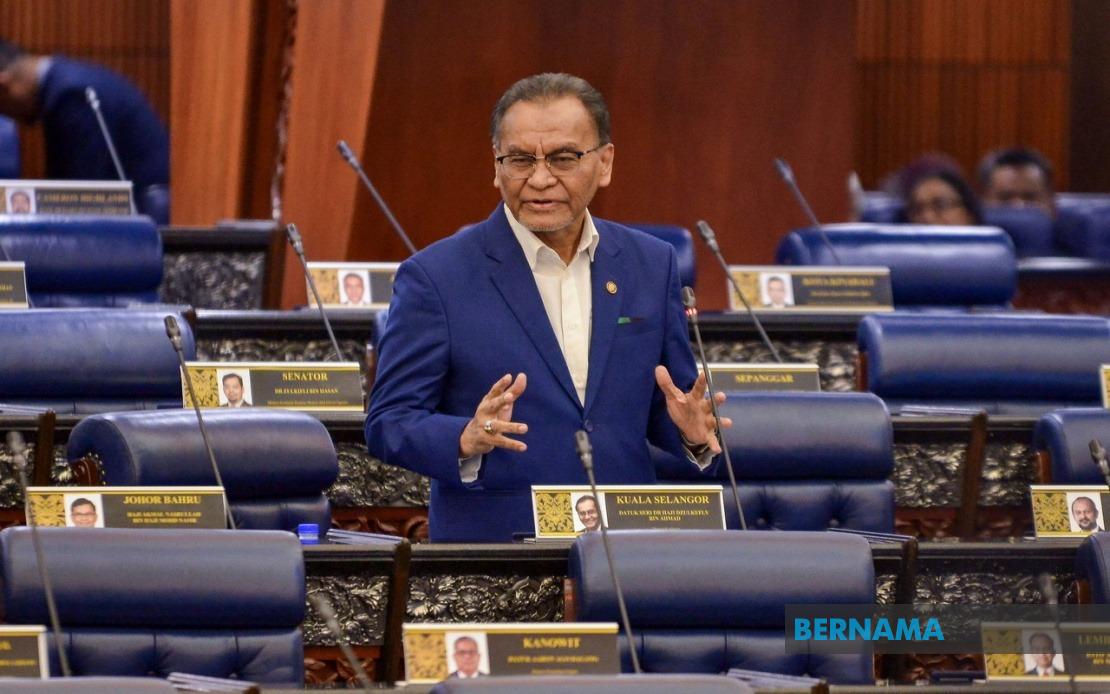
The Malaysian government is moving forward with a comprehensive strategy to ensure affordable healthcare remains accessible across income brackets, with the introduction of MediAsas representing a significant pillar in this wider effort. Health Minister Datuk Seri Dr Dzulkefly Ahmad outlined the multi-pronged approach during parliamentary proceedings, emphasising that the new scheme sits within a broader RESET framework designed to tackle escalating private medical costs that have become a growing concern for families navigating Malaysia's dual healthcare system.
MediAsas functions as a medical insurance and takaful product engineered with premium structures that the government considers within reach for the M40 group—Malaysia's middle-income households typically earning between RM4,850 and RM10,970 monthly. The scheme's distinctive feature involves a gradual rollout of Diagnosis Related Group-based payment mechanisms at private hospitals, a move intended to standardise billing practices and create greater transparency in how procedures are priced across the private sector. This technical innovation addresses one of the most persistent complaints from private patients: wildly varying bills for identical treatments at different institutions.
The government has carefully positioned MediAsas as a supplement rather than a substitute for public healthcare. This distinction matters significantly for Malaysia's health policy trajectory. The public system continues shouldering the primary burden of Universal Health Coverage, supported through general taxation, while MediAsas targets a specific demographic gap. Middle-income Malaysians often find themselves in an awkward position—earning too much to qualify for assistance programmes yet facing genuine hardship when major illnesses strike and private hospital bills accumulate. By offering this intermediate option, policymakers aim to alleviate pressure on both public facilities and household finances simultaneously.
The launch timeline reflects measured implementation strategy. MediAsas will debut as a pilot programme in the Klang Valley area by month-end, involving six insurance and takaful companies operating within this commercially significant region. This phased approach allows administrators to identify operational challenges, gauge uptake patterns, and refine processes before the January 2027 nationwide expansion. The Klang Valley's selection as the inaugural testing ground makes practical sense given its concentration of population, diverse income levels, and existing private healthcare infrastructure.
Simultaneously, the government continues strengthening programmes targeting lower-income cohorts. The B40 group—the bottom 40 percent of earners—benefits from an extensive network encompassing 154 hospitals and more than 3,000 public healthcare facilities nationwide. Beyond general public hospitals, dedicated schemes including PeKa B40, the MADANI Healthcare Scheme, and MySalam provide additional safety nets. This layered approach ensures that even citizens with minimal financial capacity can access essential medical services without catastrophic personal expense.
The RESET framework extends beyond MediAsas itself, addressing systemic inefficiencies plaguing both public and private sectors. Interoperability of electronic medical records represents a particularly meaningful innovation, eliminating the frustrating redundancy where patients undergo duplicate tests and imaging scans simply because healthcare institutions cannot access previous results. Such inefficiencies inflate costs substantially—both for individuals and the system overall—while providing no medical benefit. By creating unified digital records accessible across participating facilities, Malaysia can reduce waste and improve care coordination.
Another significant component involves restructuring how private hospitals calculate and present charges. The current landscape often features opaque billing practices where patients receive bills weeks after treatment, making it nearly impossible to contest charges or compare costs beforehand. Standardised billing frameworks should introduce greater predictability, allowing patients to make informed decisions about where to seek care and what treatments they can afford. This transparency mechanism addresses a fundamental market failure in private healthcare where information asymmetries disadvantage consumers.
For the broader Southeast Asian context, Malaysia's approach offers instructive lessons in managing healthcare system pressures during periods of economic stress. The region's middle-income countries face similar tensions: public systems stretched thin by population growth and chronic disease prevalence, private sectors increasingly unaffordable for ordinary workers, and governments searching for sustainable financing models. Malaysia's willingness to explicitly acknowledge that one-size-fits-all solutions fail different income groups demonstrates pragmatic policymaking.
The scheme's inclusion of protections for pre-existing conditions and non-communicable diseases—chronic ailments like diabetes, hypertension, and heart disease that increasingly dominate disease burden—reflects evolving health priorities. Traditional insurance products often excluded or heavily penalised individuals with existing conditions, leaving them marooned between unaffordable private care and inadequate public coverage. By mandating NCD inclusion and mental health coverage within MediAsas, the government addresses equity gaps while recognising that these conditions, not acute infectious diseases, now constitute the dominant health challenge.
The takaful inclusion in MediAsas carries religious and cultural significance beyond mere insurance mechanics. Takaful's cooperative risk-sharing model aligns with Islamic principles and appeals to Malaysia's Muslim majority. Offering both conventional insurance and Islamic alternatives recognises demographic realities while expanding choice. This inclusive approach potentially increases uptake by ensuring products match diverse consumer preferences and values.
Implementation challenges remain substantial. Insurance companies must navigate regulatory frameworks while maintaining affordability; hospitals must adapt billing systems to DRG mechanisms; and the public must understand which scheme suits their circumstances. Public awareness campaigns will prove crucial—many eligible M40 households remain unaware of available protections. Marketing these products effectively without overselling them as universal solutions requires careful messaging.
The MediAsas initiative ultimately reflects a government attempting to manage healthcare access amid competing pressures: controlling public spending, protecting vulnerable populations, and preventing middle-class households from financial ruin due to medical crises. Whether the scheme achieves these objectives depends on execution details—premium levels, coverage limitations, and genuine integration with existing systems. Success could establish a replicable model for other developing economies grappling with similar healthcare system pressures and demographic shifts toward chronic disease.

