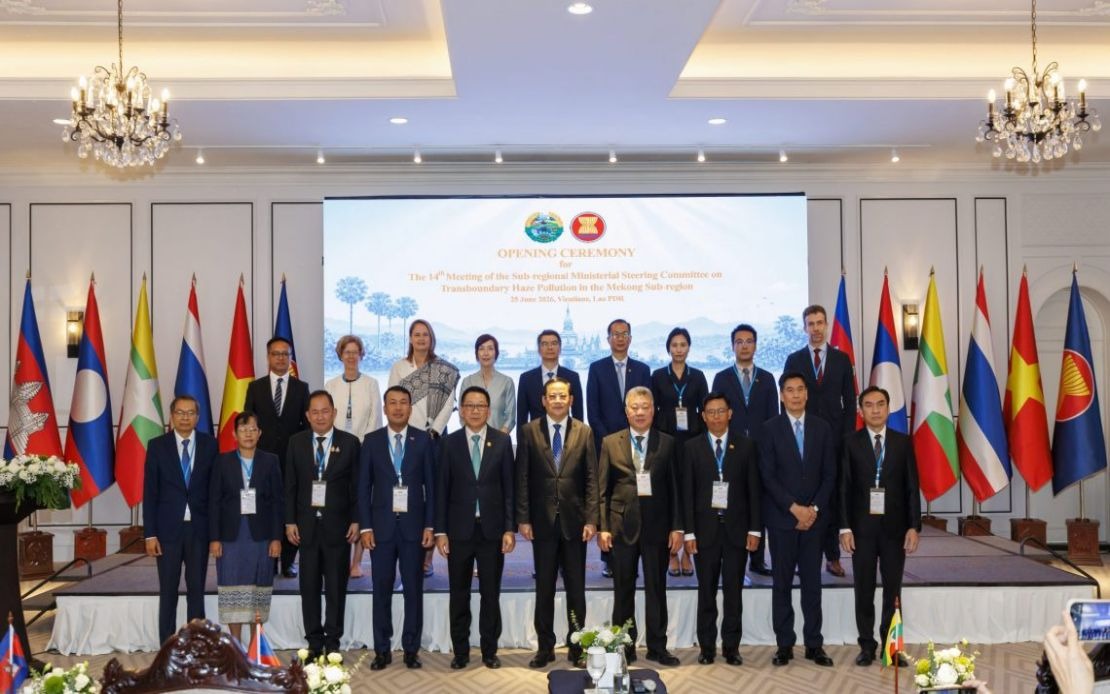
The Mekong region faces a critical convergence of climate and environmental challenges as governments across Southeast Asia mobilise urgent action to prevent another devastating episode of transboundary haze. At a ministerial meeting held in Vientiane on June 25, regional leaders acknowledged that forest fires and air pollution have emerged as existential threats to the Greater Mekong Subregion, causing cascading damage to biodiversity, public health systems and economic performance across multiple nations.
The timing of these concerns is particularly acute given that atmospheric conditions are deteriorating even as the monsoon season arrives. Major urban centres from Bangkok to Ho Chi Minh City are currently experiencing intense heatwaves despite seasonal rainfall patterns, a phenomenon scientists attribute to the combined effects of climate change and strengthening El Niño conditions. This counterintuitive weather pattern — persistent heat during what should be cooler months — reflects the fundamental destabilisation of regional climate systems and amplifies fire risk across vulnerable forest zones.
Data presented at the 14th Meeting of the Sub-Regional Ministerial Steering Committee on Transboundary Haze Pollution reveals the scale of deterioration. Hotspot counts increased by approximately eight percent between December 2025 and May 2026 compared with the equivalent period a year earlier, signalling an accelerating trend toward more frequent and potentially more intense fire events. This metric, tracked across multiple national monitoring systems, serves as an early warning indicator for the scale of agricultural burning, industrial activity and uncontrolled forest combustion occurring throughout the subregion.
Lao Prime Minister Sonexay Siphandone underscored the multi-dimensional threat during the gathering, emphasising that transboundary haze represents far more than an air quality issue. The phenomenon creates direct economic losses through agricultural disruption, raises healthcare costs as respiratory diseases spike, and damages tourism and transport sectors dependent on clear visibility and functional infrastructure. The interconnected nature of these impacts means that fire in one nation's border regions inevitably affects neighbours hundreds of kilometres away, creating genuine transnational externalities that individual national responses cannot adequately address.
Weather forecasts compound these anxieties. The Lao Ministry of Agriculture and Environment has issued warnings that El Niño effects may persist through the rainy season, potentially driving temperatures in affected areas toward 35 to 38 degrees Celsius with erratic rainfall patterns. Such conditions create the worst possible scenario for fire management — sufficient heat to ignite vegetation but insufficient moisture to suppress combustion. Water levels in key river systems and reservoirs are expected to decline in certain regions, threatening both agricultural irrigation and hydroelectric power generation, sectors that underpin economic stability across the lower Mekong countries.
The prospect of a Super El Niño event developing this year has prompted particular alarm among regional weather scientists and government planners. Such an event would essentially amplify all existing risks, creating prolonged drought conditions, widespread water shortages and structural damage to agricultural production systems that millions of rural households depend upon for survival. The livestock sector faces equivalent threats, as pasture degradation and reduced water availability create cascading vulnerability throughout food systems.
At the Vientiane meeting, ASEAN member states formalised collective commitments to reduce fire hotspots and control transboundary haze pollution throughout the Mekong region, particularly during the critical dry season window when fire risk peaks dramatically. These pledges represent recognition that unilateral action is insufficient — without coordinated monitoring, fire suppression and enforcement against illegal burning, individual national efforts will inevitably fail as fires cross borders and smoke drifts across jurisdictional boundaries.
For Malaysia and other Southeast Asian nations observing these developments, the Mekong haze situation carries direct relevance. Historical precedent demonstrates that transboundary smoke from Indonesian and Malaysian peatland fires has occasionally affected air quality across the region, raising questions about potential reciprocal impacts if Mekong fires intensify. More broadly, the institutional mechanisms being tested in the Greater Mekong Subregion offer models for strengthening regional environmental cooperation across ASEAN, including early warning systems, cross-border fire suppression capabilities and coordinated agricultural management practices.
The underlying climate dynamics driving these risks are unlikely to diminish in the medium term. El Niño patterns are becoming more frequent and potentially more severe under global warming trends, while urban heat island effects in Bangkok, Ho Chi Minh City and other regional capitals create atmospheric instability that strengthens fire-supporting weather systems. This suggests that transboundary haze prevention will remain a permanent feature of Mekong regional governance rather than a temporary seasonal challenge.
Successful intervention requires technical capacity in fire detection and suppression alongside enforcement mechanisms against agricultural burning and illegal deforestation. Regional cooperation frameworks must therefore extend beyond diplomatic pledges toward concrete resource-sharing arrangements, coordinated training for firefighting personnel and standardised monitoring protocols that allow real-time tracking of fire development across national borders. The meeting in Vientiane represents a necessary step toward such institutional deepening, though implementation and sustained political commitment will ultimately determine whether the region can interrupt the cycle of escalating haze episodes that have periodically paralysed economic activity and degraded public health across Southeast Asia.

