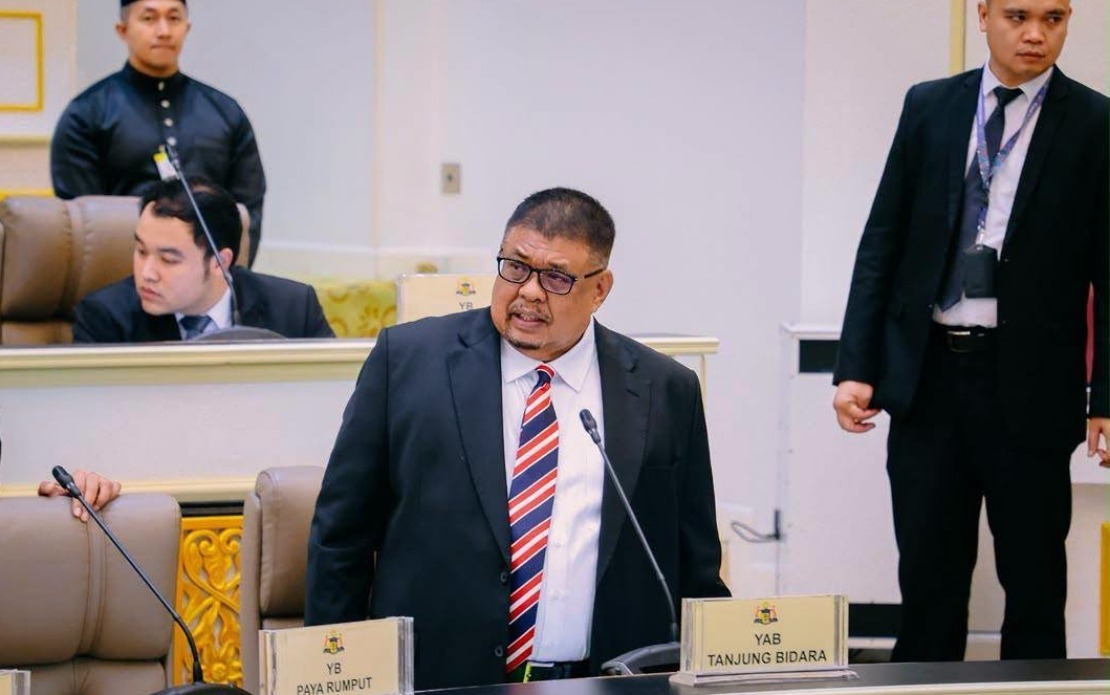
Melaka Chief Minister Datuk Seri Ab Rauf Yusoh has moved to reassure stakeholders that the state's governing machinery will maintain its operational rhythm despite the Democratic Action Party's abrupt departure from the coalition administration. Speaking at the Seri Negeri Complex in Ayer Keroh, the chief minister emphasised that critical functions including governance, infrastructure projects, and public service delivery will sustain their current trajectory without disruption or delay.
The DAP's exit followed the State Legislative Assembly's approval of a constitutional amendment permitting the appointment of assemblymen—a contentious provision that prompted immediate resignations from four party representatives. Allex Seah Shoo Chin, Low Chee Leong, Leng Chau Yen, and Kerk Chee Yee submitted their resignations immediately after the legislative vote, formally severing the party's participation in the administration. This development represents a significant shift in Melaka's political landscape, unravelling a coalition arrangement that had shaped the state's governance structure.
Ab Rauf's statement reflects a pragmatic approach to managing the political fallout while maintaining confidence in institutional continuity. He stressed that the state government remains committed to fulfilling public expectations and maintaining investor confidence, signalling that the administration's capacity to deliver on development priorities remains intact. This messaging appears calibrated toward reassuring multiple audiences—residents concerned about service quality, civil servants evaluating their institutional stability, and the business community calculating risk exposure in the state's economy.
The chief minister extended formal acknowledgment to departing DAP representatives for their collaborative efforts throughout their joint tenure, adopting a tone that emphasises professional courtesy over acrimony. This diplomatic framing suggests a deliberate strategy to preserve potential future cooperation on specific policy areas where shared interests might persist, even as the formal partnership has dissolved. Such measured language reflects awareness that public perception of destructive political conflict could undermine broader confidence in state institutions.
Regarding the vacant executive councillor positions left by DAP's departure, Ab Rauf confirmed that these roles would remain unfilled temporarily, with existing administrative members absorbing related responsibilities through expanded portfolios. This interim arrangement appears designed to minimise disruption while providing space for the administration to assess its structural needs and recalibrate its operations. The decision to avoid immediately appointing replacements may also reflect careful political calculation regarding coalition realignment possibilities.
Ab Rauf's response to Prime Minister Datuk Seri Anwar Ibrahim's call for negotiations underscores the finality of the DAP's decision. The chief minister noted that the party's resignation letters were submitted immediately following their public announcement, rendering further negotiation impractical from a procedural standpoint. This point carries significance beyond administrative mechanics—it reflects the rapid, decisive nature of the DAP's exit strategy and suggests limited appetite within the party for last-minute compromise despite federal-level intervention attempts.
The decision to maintain good relations with the federal government emerged as another priority in Ab Rauf's statement, indicating recognition that Melaka's development agenda depends partly on continued federal cooperation for funding allocations, infrastructure projects, and policy coordination. By reaffirming this commitment at a moment of political turbulence, the chief minister sought to insulate state-federal relations from potential spillover effects of the coalition breakdown.
For Malaysia's broader political ecosystem, the Melaka developments demonstrate the precarious nature of multi-party coalition governments operating within state administrations. The constitutional amendment that triggered the DAP's withdrawal illustrates how legislative procedural changes can create flashpoints within governing alliances, particularly when such changes touch on representation and appointment mechanisms. The swiftness of the DAP's response—moving from legislative vote to resignation within hours—underscores the depth of dissatisfaction and suggests the party's leadership had prepared contingency plans before the vote occurred.
The constitutional amendment itself merits scrutiny from observers monitoring democratic norms across Malaysian states. Provisions permitting appointed rather than elected representation represent a structural shift in democratic accountability, reducing the direct electoral mandate underlying legislative membership. The DAP's opposition to this mechanism reflected principled objection to diluting electoral democracy, regardless of which coalition partner might benefit from such appointments in future scenarios.
Melaka's situation carries implications for coalition stability across other Malaysian states where multi-party arrangements govern. The relative ease with which one coalition partner can withdraw—combined with the administration's ability to absorb the institutional gaps—suggests that coalition configurations may be more fluid than permanent fixtures. This fluidity creates both risks and opportunities: risks related to policy continuity and administrative coherence, but opportunities for reconfiguration should better-aligned partnerships emerge.
The business community's response to these developments will likely depend on demonstrable evidence that service delivery quality and infrastructure project momentum remain unaffected. Ab Rauf's explicit assurance to investors reflects awareness that perception of political instability can trigger capital caution or relocation. The state government's credibility in delivering routine services and development outcomes over coming months will ultimately validate or undermine the chief minister's current reassurances.
Moving forward, observers should monitor whether the DAP's departure triggers wider coalition adjustments in Melaka or catalyses the formation of alternative governing arrangements. The retention of administration capacity without DAP participation suggests that the remaining coalition partners possessed sufficient numbers and resources to continue governing independently. How the administration prioritises subsequent policy decisions—particularly on contentious issues where DAP previously exerted influence—will reveal whether the coalition's departure fundamentally alters the state's governance trajectory or represents merely a personnel adjustment within a stable institutional framework.

