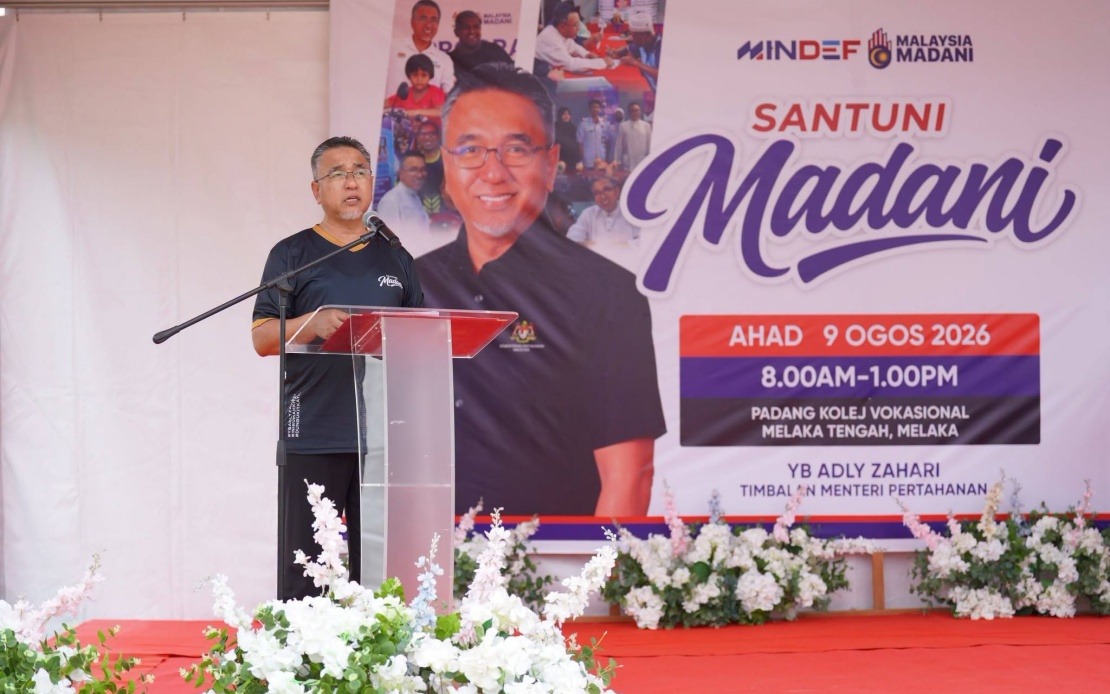
The Melaka chapter of Pakatan Harapan has signalled its receptiveness towards political negotiations ahead of the state election, according to coalition chairman Adly Zahari. Speaking after inaugurating a community programme at the Melaka Tengah Vocational College, Adly outlined a cautious yet opportunistic approach to potential partnerships, emphasising that discussions remain preliminary and no formal agreements have materialised.
The coalition's negotiating position reflects broader strategic calculations within the PH machinery across the peninsular states. While internal assessments continue within PH's machinery, Adly made clear that the party has not yet crystallised either the structure of any cooperation or the number of seats to be contested. Two series of meetings have taken place to evaluate the coalition's competitive standing, though the tenor of these discussions remains internally focused.
Adly's framing of PH's position as welcoming potential partners underscores the coalition's awareness of the fractured political landscape in Melaka, where no single bloc commands overwhelming dominance. The chairman specifically noted that cooperation mechanisms remain fluid within a democratic framework, though any external partnerships would need to align with the Malaysia MADANI agenda's foundational principles and values. This precondition effectively narrows the field of potential allies, suggesting that ideological compatibility matters as much as seat arithmetic in PH's calculations.
Notably absent from Adly's remarks was any indication of formal outreach to Barisan Nasional, despite BN's continued presence as the state's largest political formation. This silence is instructive, revealing that PH leadership remains uncertain whether collaboration with its traditional rival could serve coalition interests. The lack of preliminary discussions with BN suggests either strategic distance or unresolved tensions that make partnership discussions premature.
PKR's state leadership offered a subtly different emphasis, with acting chairman Adam Adli Abd Halim acknowledging that Melaka's political terrain differs markedly from other states within the Unity Government framework. This distinction carries weight: Melaka's 28-seat state assembly comprises multiple contested constituencies where no single coalition enjoys decisive advantage. Adam Adli's reference to "ongoing communication and discussions" at informal levels suggests backdoor conversations may be occurring even as both BN and PH maintain public distance from formal negotiation positions.
The PH coalition's ambitions centre on territorial expansion from its current five state seats—a baseline that emerged from the preceding election cycle. Adly's optimism regarding seat gains derives from assessment of PH's electoral performance across three parliamentary divisions: Alor Gajah, Kota Melaka, and Hang Tuah Jaya. These constituencies provided the coalition's foundation for claiming victory in the national parliamentary elections and represent zones where ground organisation exists. Beyond these three districts, PH leadership identifies secondary opportunities in Tangga Batu, Masjid Tanah, and Jasin, where enhanced campaigning and candidate selection could potentially yield gains.
The strategic reasoning undergirding PH's seat projections reflects confidence in translating parliamentary constituency strength into state assembly victories. State elections in Malaysia typically produce different outcomes than national contests due to local factors, incumbent performance records, and community-specific grievances. PH's caution in framing expectations—stating it is "positive" rather than certain about gains—acknowledges these uncertainties while maintaining momentum among coalition members and supporters.
Adam Adli's emphasis on PH assemblymen maintaining focus on constituency duties and public service delivery represents an attempt to insulate the coalition from excessive political instability. This messaging serves multiple audiences: reassuring current voters that elected representatives remain committed to governance rather than mere political manoeuvring, while also positioning PH as the more responsible actor amid coalition negotiations. By stressing avoidance of "excessive political polemics," PKR leadership signals anxiety about the reputational risks of prolonged negotiation cycles or coalition haggling.
For Malaysian political observers, the Melaka dynamics illustrate broader tensions within the Unity Government framework. While coalitions nationally include PH and selected other partners, state-level mathematics often diverge substantially from federal arrangements. In Melaka specifically, the possibility of PH cooperating with non-BN partners suggests potential departure from unity formulations that have governed federal politics since 2022. Such fragmentation at state level, while operationally logical from PH's perspective, carries implications for broader coalition stability.
The timing of PH's openness to negotiations—announced through routine engagements rather than formal political statements—suggests leadership remains uncertain about optimal partnership configurations. This exploratory phase allows the coalition to gauge responses from potential partners without committing to specific arrangements that might alienate other constituencies. The emphasis on internal PH preparations indicates that coalition leadership believes its own organisational foundations require strengthening before external agreements are finalised.
Melaka's upcoming state election will test whether expanded coalition cooperation can deliver electoral benefits or whether fragmentation across PH's potential partnership options weakens its competitive position against BN's established machinery. The coalition's targeting of specific constituencies represents data-driven analysis, yet ground realities in state elections often surprise political planners. PH's current posture—open, cautious, and conditional—permits flexibility as circumstances evolve while maintaining bargaining leverage with prospective partners.

