Melaka's workplace safety landscape has documented a concerning cluster of incidents during the opening six months of 2026, with authorities tallying 277 accidents that produced both enduring and temporary incapacities among workers across multiple industries. The figures underscore persistent vulnerabilities in occupational safety practices within the state, even as regulatory bodies assert that the overall situation remains manageable through sustained monitoring and enforcement initiatives.
Three fatal incidents punctuated the broader accident toll, representing a particular source of alarm within regulatory circles. Two of these deaths emerged from construction operations, a sector notorious throughout Southeast Asia for elevated hazard exposure and worker vulnerability. The third fatality occurred within manufacturing activities, highlighting how workplace mortality cuts across multiple economic segments rather than remaining concentrated in obviously hazardous fields. These deaths carry particular weight because they represent irreversible human losses rather than recoverable injuries, transforming occupational safety from an abstract compliance concern into a tangible matter affecting families and communities.
Ramesh Zakir Shamsul, who directs Melaka's Department of Occupational Safety and Health, characterised the accident landscape with cautious optimism whilst simultaneously signalling determination to maintain vigilant oversight. His assertion that cases remain "relatively under control" reflects confidence in existing preventive frameworks, yet the qualifier "relatively" suggests recognition that the baseline remains elevated compared to optimal safety standards. The department's continuous surveillance of industrial operations indicates awareness that complacency poses genuine risks, particularly as Malaysia's workforce continues expanding and economic activities intensify across regions like Melaka.
The regulatory foundation governing workplace safety accountability derives from the Occupational Safety and Health Act 1994, a statutory instrument that imposes mandatory reporting obligations upon employers and establishes investigative protocols for accident analysis. This framework operates as the essential scaffolding within which safety compliance functions, though its effectiveness depends substantially upon consistent employer adherence and honest incident disclosure. Ramesh Zakir's emphasis on detailed investigations underscores how regulatory agencies extract learning value from accidents, transforming individual incidents into system-wide insights that can prevent future occurrences.
Employer responsibility emerges as a critical focal point within the occupational safety apparatus. Malaysian labour law positions employers as primary custodians of workplace safety, a formulation that acknowledges their direct control over operational hazards, training programmes, equipment maintenance, and emergency response systems. Yet translating legal responsibility into behavioural change requires ongoing reinforcement, particularly among smaller enterprises that may lack dedicated safety personnel or substantial compliance infrastructure. The consistent pattern of accidents despite regulatory frameworks suggests that knowledge gaps, resource constraints, or cultural attitudes toward risk persist among portions of the employer community.
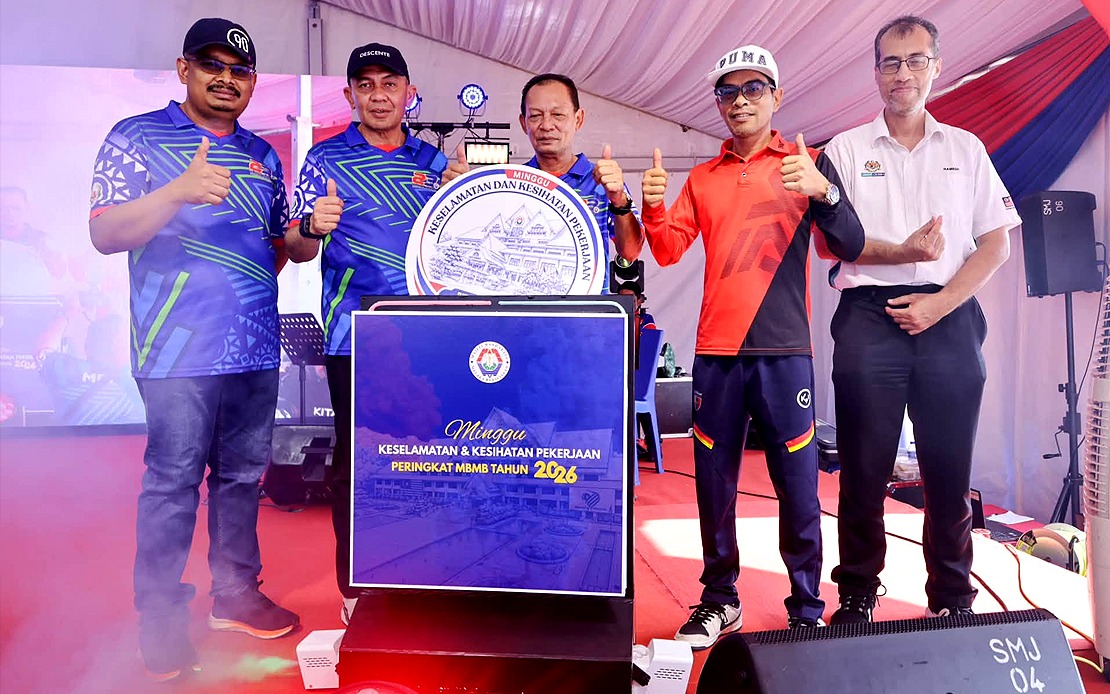
The launch of Melaka Historic City Council's 2026 Occupational Safety and Health Week celebration provided institutional scaffolding for reinforcing safety messaging across the state. Such commemorative events serve multiple functions simultaneously: they amplify public awareness about hazard recognition, they provide platforms for regulatory agencies to interface directly with employers and workers, and they signal political commitment to occupational health as a governance priority. The participation of Datuk Zulkiflee Mohd Zin and other state officials underscores how occupational safety has secured positioning within broader development and administrative frameworks rather than remaining marginalised as a technical compliance matter.
Collaboration between DOSH and municipal authorities such as Melaka Historic City Council represents an institutional approach to safety promotion that extends beyond traditional regulatory inspection models. By positioning local councils as active participants in awareness-building through workshops and community talks, authorities distribute responsibility for safety culture across multiple institutional actors. This diffusion reflects recognition that occupational safety constitutes a shared societal concern rather than purely a government function, requiring buy-in from municipal administrations, employer associations, worker organisations, and individual enterprises.
The construction and manufacturing sectors feature prominently within Malaysia's occupational hazard profile, and their appearance within Melaka's accident statistics aligns with national patterns documented by the Ministry of Human Resources and the Social Security Organisation. Construction sites present layered risks encompassing falls from heights, equipment-related injuries, electrocution hazards, and chemical exposures, whilst manufacturing environments concentrate hazards related to machinery operations, thermal stress, and industrial chemical handling. Both sectors employ substantial portions of Melaka's workforce, magnifying the population exposed to elevated baseline risks.
For Malaysian readers and policymakers, Melaka's experience offers instructive lessons applicable across other state jurisdictions. The state's documented accident frequency suggests that existing regulatory architectures, whilst functional, may require enhancement through intensified enforcement, expanded employer training initiatives, or revised safety standards reflecting contemporary operational practices. Southeast Asian economies generally grapple with occupational safety challenges stemming from rapid industrialisation, workforce expansion, and occasional gaps between statutory requirements and workplace reality, positioning Malaysia's experiences within a broader regional context of developmental tensions.
The distinction between permanent and temporary disabilities carries significant socioeconomic implications for affected workers and their households. Temporary disabilities interrupt income flows during recovery periods but retain prospect for return to full work capacity, whereas permanent incapacities often necessitate permanent income replacement through disability benefits, retraining programmes, or family support systems. Melaka's accident toll thus extends beyond immediate medical costs to encompass longer-term social welfare burdens and worker vulnerability to income loss and reduced economic security.
Moving forward, DOSH's commitment to maintaining collaborative relationships with employers and local authorities will likely shape Melaka's occupational safety trajectory through succeeding reporting periods. The department's emphasis on workshops and educational initiatives suggests reliance upon knowledge transfer and voluntary compliance enhancement rather than punitive enforcement alone. Whether this balanced approach yields measurable reductions in accident frequency will depend upon sustained institutional capacity, employer receptiveness to safety innovation, and worker participation in hazard reporting and safety culture development.
The three fatalities recorded during the first half of 2026 constitute compelling imperatives for intensified focus upon construction and manufacturing safety within Melaka's regulatory agenda. Given that these sectors dominate the state's industrial landscape and employment base, targeting risk reduction within construction and manufacturing operations could generate proportionally significant improvements in overall occupational safety outcomes. Such concentration of effort, coupled with broader awareness initiatives and collaborative institutional engagement, represents the most promising pathway toward measurable reductions in workplace mortality and morbidity across the state.

