The Melaka River Cruise is on track to become a significant revenue driver for the state's tourism sector, with the Perbadanan Pembangunan Sungai dan Pantai Melaka (PPSPM) declaring confidence in achieving its one million-passenger milestone before 2024 closes. Having recorded 350,000 journeys through June, the operator faces the challenge of attracting the remaining 650,000 visitors within a compressed timeframe—roughly 60 percent of its annual quota still outstanding. This represents an acceleration of the company's growth trajectory, signalling both the popularity of the heritage river experience and the competitive pressures within Southeast Asia's tourism landscape.
CEO Shaharul Azuar Idris outlined a three-pronged strategy to bridge the gap: competitive pricing on package deals, intensified marketing campaigns domestically and internationally, and service enhancements designed to raise passenger comfort and safety standards. The emphasis on affordability comes as regional tourism operators grapple with post-pandemic recovery patterns and shifting consumer spending habits. By repositioning the Melaka River Cruise as a must-try destination rather than an optional excursion, PPSPM is attempting to elevate its market positioning within a crowded portfolio of water-based attractions across Malaysia and neighbouring countries.
The operational backbone supporting this ambition consists of a fleet of 60 boats, split between the main river service and the Eco Cruise offering at Tasik Chinchin. Currently, 30 vessels operate along the Melaka River while the remaining 30 serve the lake-based experience. This bifurcated approach allows PPSPM to diversify its revenue streams and cater to varying tourist preferences—those seeking historical river scenery versus nature-focused visitors. However, the current fleet may face capacity constraints if passenger volumes accelerate as projected, a consideration acknowledged by management's mention of pending proposals for newer, technology-equipped vessels still undergoing evaluation.
The cruise operator has invested in upgrading premium offerings, refurbishing flagship vessels such as the Everlasting Love Boat and Tun Khalil Cruise with dining experiences and modern amenities. This tiering strategy reflects industry-wide recognition that affluent tourists increasingly value experiential packages combining transportation, gastronomy, and cultural immersion. By bundling onboard dining with scenic river passages, PPSPM aims to increase per-passenger revenue and justify premium pricing to repeat visitors and international groups seeking distinctive Melaka experiences unavailable elsewhere in Malaysia.
Beyond commercial operations, PPSPM has leveraged state government support through the Melaka Sayang Rakyat (MeSRa) initiative to offer free rides during the National Day celebration on August 31. The projected distribution of over 5,000 complimentary cruises serves dual purposes: building goodwill among local residents and generating word-of-mouth promotion that extends the tourist reach. This public subsidy reflects broader regional trends where state governments increasingly view tourism infrastructure as both economic assets and vehicles for citizen engagement and national pride.
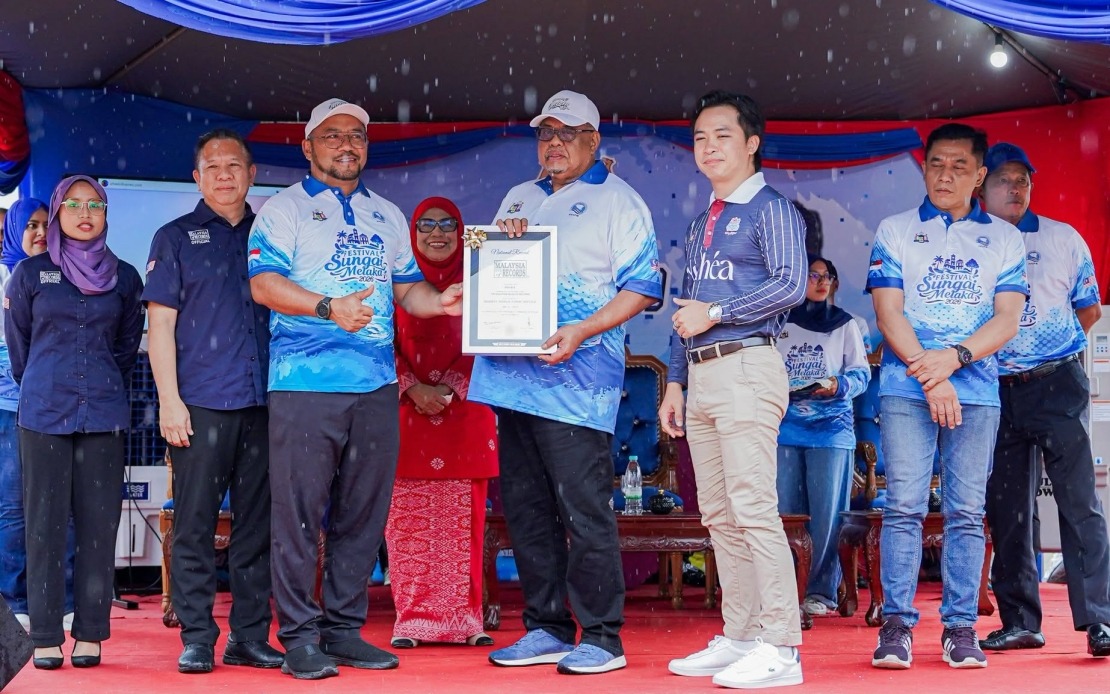
The Melaka River Festival 2026 recognition ceremony, attended by Chief Minister Datuk Seri Ab Rauf Yusoh, underscores the political dimensions of tourism development in Malaysia. State leadership's visible endorsement of river-based attractions signals commitment to diversifying Melaka's economy beyond traditional heritage site visitation. The Malaysia Book of Records certification adds institutional legitimacy and creates marketing assets that differentiate Melaka's offerings from competitors across Southeast Asia competing for the same regional and international tourist dollar.
Operational excellence has emerged as a central concern for PPSPM leadership, with explicit commitments to maintaining adequate staffing levels and boat availability to minimise queue times and passenger wait periods. This focus on service delivery logistics reflects lessons learned during peak tourism seasons when infrastructure congestion can negatively impact visitor satisfaction and repeat business. The emphasis on preparation and resource allocation suggests that PPSPM recognises that achieving ambitious passenger targets depends as much on operational efficiency as on marketing spend.
The pursuit of one million annual passengers positions Melaka as a serious contender in Southeast Asia's river tourism market, competing with established attractions like Bangkok's Chao Phraya River cruises and Singapore's Marina Bay experiences. Success in this endeavour could catalyse broader economic benefits for Melaka's hospitality, food service, and retail sectors, as cruise passengers typically extend their stays and spend beyond the cruise fare itself. Regional observers will monitor whether PPSPM's targets prove achievable or represent aspirational planning disconnected from market realities.
The decision to intensify international marketing reflects recognition that domestic tourism, while important, cannot alone sustain growth targets of this magnitude. Strategic positioning toward regional tourists from Singapore, Thailand, and Indonesia could unlock significant revenue opportunities, though it requires differentiated messaging that emphasises Melaka's unique historical character and cultural authenticity. Competition from established regional brands and newer entrants means PPSPM must constantly innovate and adapt its value proposition to remain compelling to price-sensitive and experience-seeking Asian travellers.
Looking forward, PPSPM's ambitious targets serve as a barometer for Melaka's broader tourism recovery and the state government's economic development priorities. Should the operator achieve or approach its one million-passenger goal, it would validate the strategic importance of river-based attractions and likely trigger expansion plans, increased investment in fleet modernisation, and extensions of complementary services. Conversely, falling short would prompt reassessment of growth assumptions and potentially redirect resources toward alternative tourism development initiatives. Either outcome will carry implications for employment, infrastructure investment, and the state's fiscal position within Malaysia's competitive regional economy.

