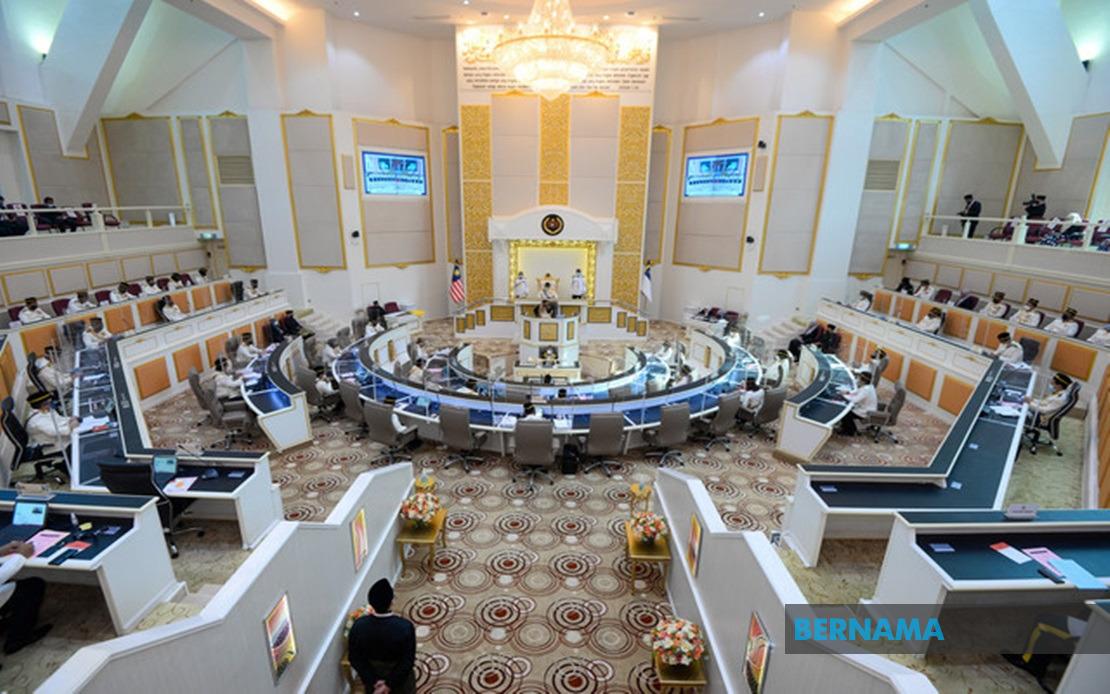
The Melaka state government expects clarity on a major healthcare infrastructure project when Parliament tables the 2027 Budget this October. The decision concerns the proposed Type 3 Bukit Rambai Health Clinic, a facility designed to substantially expand primary healthcare capacity in the district. During a state assembly session on July 14, the State Health, Human Resources and Unity Committee chairman Datuk Ngwe Hee Sem confirmed that the proposal has already been lodged with the Ministry of Economy as part of Rolling Plan 2 under the 13th Malaysia Plan framework.
The groundwork for this ambitious project has progressed substantially. Site preparation activities have concluded on a location positioned directly opposite the current Bukit Rambai Health Clinic, positioning the facility for immediate construction once funding approval materialises. With an anticipated three-year construction timeline, the new clinic represents a significant commitment to improving healthcare accessibility and capacity in this region of Melaka. The phased development approach reflects the broader healthcare expansion strategy being pursued across the peninsula.
When operational, the facility will introduce diagnostic capabilities currently unavailable at the existing clinic. Radiology services, including X-ray imaging, will enable preliminary diagnostic work to be conducted locally rather than requiring patient referrals to larger hospitals. The dental component represents another substantial addition, with five dedicated dental chairs planned to address the significant patient backlog that many primary care facilities experience in Malaysia. These diagnostic and treatment modalities address critical service gaps that currently force patients to travel for services that could be delivered closer to home.
The clinic's scope extends well beyond diagnostic facilities to encompass comprehensive preventive and therapeutic services. Nutrition and dietetics specialists will support chronic disease management and health promotion efforts, while optometry services will serve the vision care needs of the local population. Physiotherapy and occupational therapy units will facilitate rehabilitation and functional recovery for patients recovering from illness or injury. Speech therapy provision acknowledges the needs of populations with communication disorders, including stroke survivors and developmental conditions.
Mental health and social support services also feature prominently in the planned facility. Counselling psychology services will address the growing mental health burden affecting Malaysian communities, while medical social workers will assist patients navigating complex healthcare and social welfare systems. This holistic approach reflects contemporary understanding of health determinants and the importance of addressing psychosocial factors in disease prevention and management.
The expansion carries significant implications for service delivery throughout Bukit Rambai and adjacent communities. By strengthening outpatient services, the new clinic will reduce unnecessary emergency department utilisation and associated costs. Enhanced maternal and child health services will support reproductive health outcomes and early childhood development. Expanded laboratory capacity will enable faster diagnostic turnaround, while improved pharmacy facilities will ensure medication availability and counselling. School health programs, often under-resourced in Malaysian primary care settings, will benefit from dedicated facilities and staffing.
The project addresses persistent challenges affecting healthcare access in growing residential areas. Overcrowding remains a chronic problem in many established clinics throughout Malaysia, with patients experiencing extended waiting times that compromise satisfaction and health outcomes. The new facility will distribute patient load more effectively, reducing congestion at the existing clinic while enabling it to focus on specific service lines. This spatial separation allows both facilities to specialise and operate more efficiently.
From a patient perspective, reduced waiting times directly translate to improved service uptake and better health outcomes. When people can access healthcare promptly without lengthy delays, they are more likely to seek preventive care and maintain chronic disease management. The comfortable environment envisioned for the new clinic contrasts with many established facilities operating at capacity. Better physical infrastructure also enhances dignity and privacy for patients undergoing sensitive consultations or procedures.
The proposal's inclusion in Rolling Plan 2 under the 13th Malaysia Plan positions it within Malaysia's broader healthcare expansion framework. The 13MP, which commenced in 2021, aims to strengthen primary healthcare delivery as part of universal health coverage objectives. Incorporating this Melaka project demonstrates recognition of regional healthcare needs and commitment to equitable geographic distribution of health facilities. The timing of the budget decision aligns with typical planning cycles for major capital works in the Malaysian government's budget calendar.
For Melaka and Southeast Asia more broadly, this initiative reflects growing recognition that primary healthcare strengthening requires investment in infrastructure, staffing, and service scope. Many regional countries face similar challenges of overcapacity in tertiary hospitals coupled with insufficient primary care facilities. Well-resourced primary care settings can provide appropriate level-of-care interventions that relieve pressure on hospital systems while improving population health at lower cost. The Bukit Rambai project embodies this preventive approach.
Politically, the project has cross-party support, as evidenced by the question from opposition-linked assemblyman Lim Ban Hong of Kelebang, to which the government provided substantive responses. This bipartisan support for healthcare infrastructure reflects broad consensus on the necessity for expanded facilities in growing residential areas, transcending typical partisan divisions. Such agreement facilitates smoother implementation once funding is secured, as the project enjoys wider political legitimacy.
The October budget announcement will provide definitive clarity on the government's commitment to this project. Provisional approval and funding allocation would enable detailed design finalisation and tender preparation, potentially allowing construction commencement within the next fiscal year. Conversely, deferral would necessitate resubmission in subsequent planning cycles, potentially extending delays by years. Given the project's readiness and community demand, budget inclusion appears likely, though final confirmation awaits the formal announcement.

