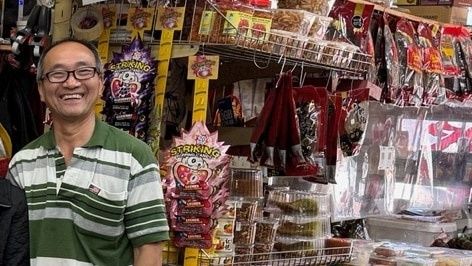
A grocery store owner in western Melbourne has succumbed to injuries sustained during an alleged attack by a group of teenagers, reigniting concerns about escalating youth violence in the region. Van Viet Truong, 60, passed away in hospital on Wednesday afternoon following the assault that occurred on August 1 in the suburb of Sunshine. According to police, Truong was intervening to help an employee at a nearby shop who had become embroiled in a street dispute over suspected stolen merchandise when he was set upon by several youths.
The incident resulted in immediate arrests as authorities moved swiftly to address the violence. Police apprehended three boys aged 12, 13, and 15, along with two girls aged 14, charging them with affray, violent disorder, and intentionally causing serious injury. The charges against the 13-year-old boy were subsequently withdrawn following further investigation that cleared him of involvement. However, the 15-year-old boy faced an additional charge of manslaughter on Thursday as prosecutors determined the severity of the assault warranted the most serious charge.
Truong's death underscores a broader pattern of concern within Melbourne's western business community. Vu Du, president of the Sunshine Business Association, characterised the fatal assault as part of an escalating youth crime problem that extends well beyond this single tragic incident. His comments reflect mounting anxiety among shopkeepers and residents who feel increasingly vulnerable to random violence in their neighbourhoods, a sentiment that appears widespread across the western suburbs.
The incident has galvanised a coordinated response from local government representatives. Five mayors representing Melbourne's western suburbs convened on Wednesday to demand urgent action from law enforcement authorities. Their primary requests centre on extending operational hours at police stations serving the region and deploying additional officers to provide visible protection for both commercial premises and residential areas. The appeal represents growing political pressure on police leadership to demonstrate tangible commitment to restoring community safety.
The circumstances surrounding Truong's death carry particular resonance within Malaysia and across Southeast Asian communities in Australia, where Vietnamese, Chinese, and other Asian migrants operate small businesses throughout Melbourne's outer suburbs. Many such entrepreneurs work long hours in retail and grocery operations that serve their respective communities, making them vulnerable to street crime. The tragedy highlights the daily risks faced by small business owners who often find themselves in situations where they must choose between protecting their livelihoods and safeguarding their personal security.
Youth crime in Australian suburbs has become an increasingly polarising political issue, attracting intense media scrutiny and public concern. While detailed statistics on the broader trends remain subject to debate, individual incidents such as this assault generate significant community anxiety and demands for policy responses. The charging of a 15-year-old with manslaughter indicates authorities regard the teenager's actions as fundamentally culpable, though questions about youth justice, rehabilitation, and accountability remain complex and contested.
The assault on Truong reflects wider challenges facing law enforcement in managing youth offending, particularly in disadvantaged areas where crime and social disorder intersect. The very young age of some accused perpetrators—as young as 12 years old—raises difficult questions about the drivers of such violence, whether systemic factors contribute to criminal behaviour among minors, and what interventions might prevent future incidents. These questions extend beyond policing into broader social policy concerning youth services, mental health support, and educational opportunities.
For the Sunshine Business Association and merchants operating throughout western Melbourne's commercial strips, the assault represents a call to action. Beyond seeking police support, business communities may pursue additional security measures, mutual vigilance networks, and engagement with local government on urban design and lighting improvements that might discourage criminal activity. The balance between creating welcoming, accessible communities and implementing defensive security measures presents an ongoing tension for neighbourhood improvement strategies.
Truong's passing has prompted reflection on the personal stakes involved in small business entrepreneurship. Owners who choose to intervene when witnessing theft or assault against colleagues or employees place themselves in potentially dangerous situations. The decision to help, driven by community values and mutual support, carries real risks in environments where youth violence operates without apparent restraint or concern for consequences. This reality shapes daily calculations for business owners navigating the trade-off between maintaining community standards and protecting personal safety.
The investigation into Truong's death continues as prosecutors and courts process the cases against the remaining accused teenagers. The legal proceedings will likely attract sustained attention, both within the Vietnamese-Australian community and among broader Melbourne audiences concerned with law and order issues. The outcomes of these cases will influence discussions about youth justice approaches, sentencing frameworks for serious assault and manslaughter, and whether current interventions adequately balance accountability, rehabilitation, and community protection.
Looking forward, the incident appears likely to accelerate policy discussions about youth crime prevention, police resourcing in outer suburbs, and community safety strategies. Whether expanded police hours and additional officers represent sufficient responses remains an open question, as does the matter of addressing underlying factors that appear to drive youth participation in street violence. For the broader Southeast Asian business community in Melbourne, the tragedy serves as a sobering reminder that prosperity and security remain inseparable considerations in daily operations.

