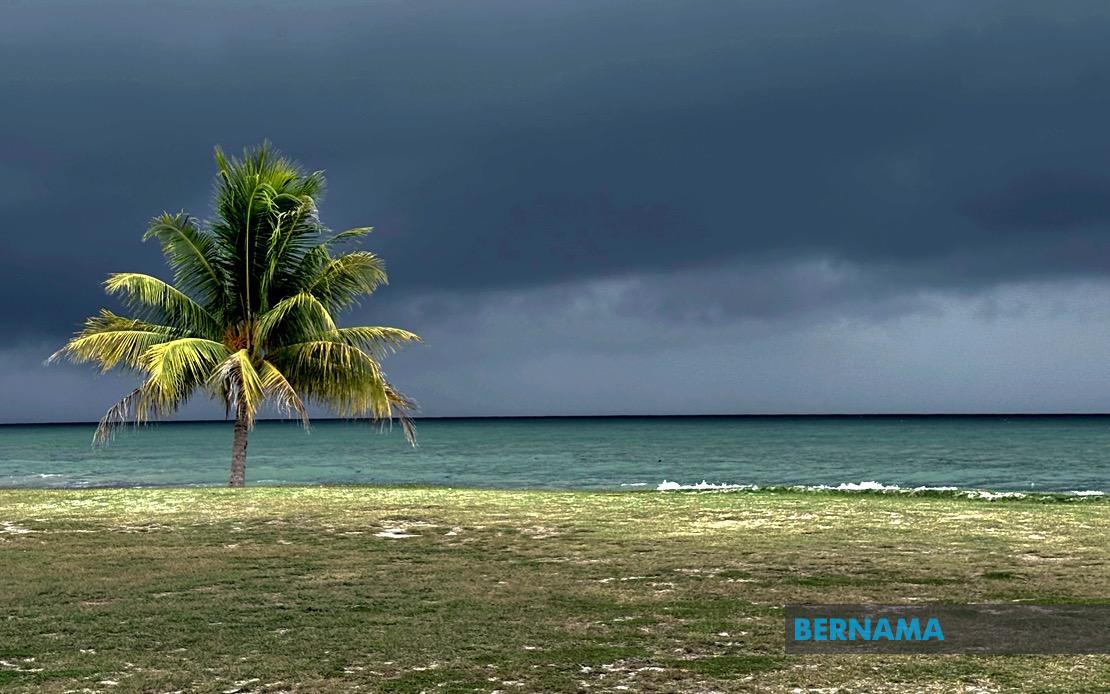
The Malaysian Meteorological Department has activated weather alerts across five states after forecasters detected an incoming system of thunderstorms, heavy rainfall and gusty winds that poses risks to residents and infrastructure. The department issued its statement on June 25, flagging conditions expected to persist through the evening hours in vulnerable regions spanning both Peninsular Malaysia and East Malaysia, urging the public to exercise heightened caution.
On the peninsula, the department identified multiple districts in Kelantan as areas of particular concern, naming Kota Bharu, Bachok, Machang and Pasir Puteh as localities expecting the heaviest downpours. Terengganu's Kemaman district also features prominently in the alert, alongside a cluster of Pahang districts including Jerantut, Temerloh, Maran and Kuantan, where residents should brace for flash flooding potential and reduced visibility during peak rainfall periods.
The adverse conditions extend significantly beyond Peninsular Malaysia. In Sarawak, forecasters have highlighted Limbang and its Lawas area as vulnerable zones, while the Sabah alert encompasses a broader geographic spread reflecting the state's varied topography. Interior districts of Nabawan and Keningau, traditionally susceptible to severe weather given their elevation and landscape, face warnings alongside the West Coast region encompassing Ranau and the eastern divisions of Sandakan, Tongod, Telupid and Beluran.
Thunderstorms of this magnitude warrant serious attention across Malaysia's monsoon-prone geography. These systems typically generate localised flash flooding within minutes of onset, particularly in low-lying urban areas and drainage-challenged communities where water accumulation becomes hazardous. The combination of thunder, lightning and strong winds also increases risks for outdoor workers, construction sites and maritime activities, making the 11 pm deadline a critical threshold for activity curtailment.
For residents in affected districts, the immediate implications centre on transport disruption and safety protocols. Heavy downpours frequently impact road conditions, reducing traction and visibility for motorists navigating poorly lit evening routes. Public transport operators often implement service modifications or delays when visibility deteriorates, compounding commute challenges for workers returning home during the alert period. Parents with school-going children should monitor weather updates closely, as some educational institutions may revise dismissal times or campus activities in response to deteriorating conditions.
The geographic spread of this alert demonstrates the interconnected nature of Malaysia's weather systems during monsoon transition periods. When atmospheric instability develops across the region, multiple states can experience simultaneous impacts despite varying distances from the initial weather generator. The inclusion of both east and west coast districts suggests a complex meteorological pattern rather than a simple localized disturbance, warranting attention from state disaster management agencies coordinating response resources.
East Malaysian residents in Sarawak and Sabah face particular vulnerabilities given terrain features and infrastructure considerations. Rural and interior communities often experience prolonged service disruptions when flooding develops, as road access becomes compromised and utility restoration takes considerably longer than in urban centres. The inclusion of Sabah's interior districts and Limbang underscores forecasters' concerns about rapid runoff development in terrain where water drains quickly into concentrated waterways, creating sudden flood peaks.
Public response mechanisms activated during such alerts typically include advisories from fire and rescue services, early warnings from local authorities and pre-positioning of response teams near historically flood-prone areas. Residents are generally advised to avoid unnecessary travel during peak rainfall periods, secure loose outdoor items prone to wind damage and ensure emergency contact details and supplies are readily accessible. The emphasis on the 11 pm timeline suggests meteorologists anticipate system intensity diminishing thereafter, though residual impacts may persist into the night.
The timing of this alert during late afternoon and evening hours creates additional considerations for commuters, school pickup operations and evening leisure activities. Families should finalize outdoor plans accordingly and remain receptive to changing advisories as the system develops. Businesses operating in affected districts, particularly those managing perishable goods or requiring continuous outdoor operations, should implement contingency protocols to minimize disruption and protect assets from water damage during the warning period.

