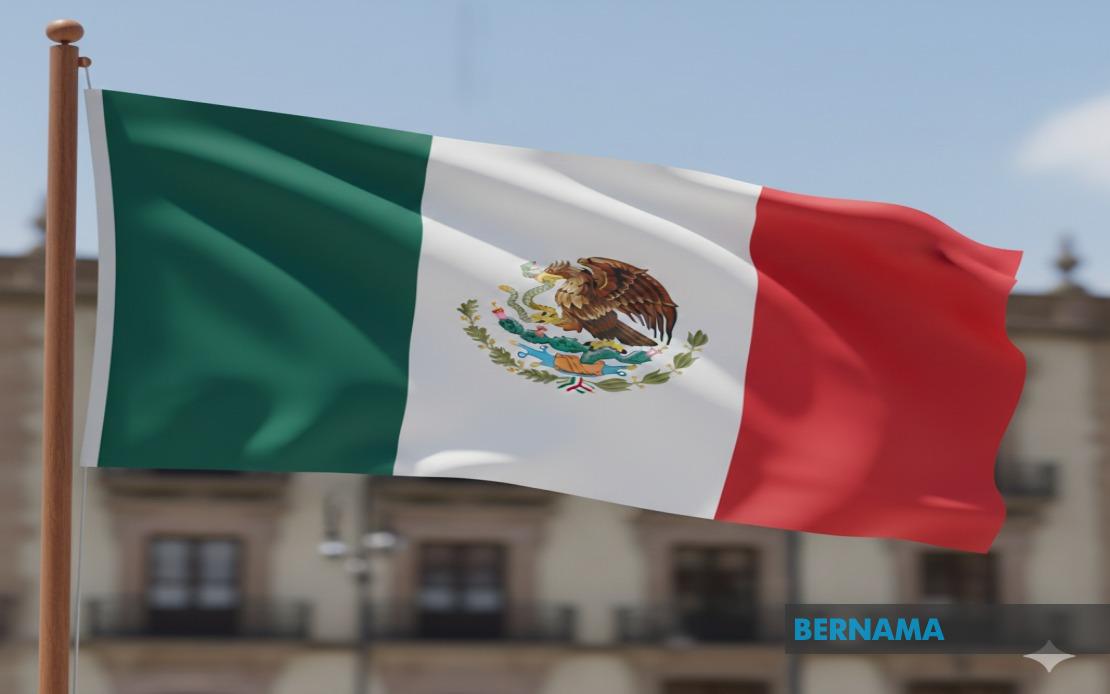
Mexico has moved to internationalise its concerns over the deaths of Mexican citizens during operations by US Immigration and Customs Enforcement, formally referring multiple cases to the United Nations High Commissioner for Human Rights. Foreign Minister Roberto Velasco sent a letter to UN High Commissioner Volker Türk requesting a comprehensive examination of the incidents and demanding that American authorities provide full transparency regarding the circumstances surrounding each death.
The referral represents a significant escalation in Mexico's approach to what has become an increasingly contentious issue in bilateral relations. Rather than relying solely on diplomatic channels and traditional inter-governmental negotiations, Mexico is now leveraging international human rights mechanisms to scrutinise American conduct. The UN Human Commissioner's office has been tasked not only with investigating individual incidents but also with determining whether patterns of behaviour by ICE personnel violate the United States' commitments under international human rights law. Should the investigation find violations, the UN body is empowered to issue formal recommendations and potentially escalate matters through the UN Human Rights Council's special procedures mechanism.
President Claudia Sheinbaum announced last week that Mexico would pursue a dual-track strategy going forward, combining diplomatic efforts with aggressive legal action against individuals deemed responsible for deaths. This represents a marked departure from previous Mexican administrations' more restrained responses to such incidents, reflecting growing domestic political pressure to protect citizens abroad and hold US authorities accountable. The government has instructed the Attorney General's Office to prepare a formal criminal complaint to be filed with the US Justice Department, which will be transmitted through official diplomatic channels via the Mexican embassy in Washington.
The numbers underlying Mexico's concerns are stark. According to Mexican government records, three Mexican nationals have lost their lives directly during ICE enforcement operations, while fourteen additional deaths have occurred while individuals were held in US immigration detention facilities. These figures, though representing a small fraction of overall ICE activities, have generated significant outrage within Mexico and among human rights advocates across the region. The deaths have become politically sensitive in both countries, with critics in the United States questioning whether ICE protocols adequately protect vulnerable individuals or ensure proportionate use of force.
Parallel to the UN referral, Mexico has initiated a multi-pronged domestic response within the United States. Mexican embassies and consulates across America have begun filing formal complaints with local and state prosecutor offices in jurisdictions where deaths occurred. This ground-level approach complements the higher-level federal complaint strategy and creates multiple avenues for investigation and potential prosecution. The effort reflects Mexico's determination to pursue justice through every available legal mechanism.
One particularly significant step came when Mexico issued a formal cease-and-desist letter to the Adelanto detention facility in California, marking what authorities describe as the opening move toward potential civil litigation against the detention centre. Cease-and-desist letters typically demand cessation of harmful conduct and serve as documentation of official notice should cases proceed to litigation. The targeting of specific facilities indicates that Mexico is identifying particular institutions where it believes standards of care fell below acceptable levels.
The most recent catalyst for Mexico's escalated response was the July 7 death of Lorenzo Salgado Araujo in Houston. Salgado Araujo had established deep roots in the Houston area over thirty years, building a successful construction business and integrating into the local community. According to the US Department of Homeland Security, Salgado Araujo failed to comply with officer commands and used his vehicle as a weapon against law enforcement, ramming both a police vehicle and attempting to strike an officer, prompting an ICE officer to discharge his firearm. However, relatives, civil rights organisations, and Democratic politicians have rejected this official account and called for an independent investigation, suggesting the response may have been disproportionate and that questions about officer training and decision-making remain unanswered.
The divergence between official US accounts and the narrative offered by families and advocacy groups underscores the credibility gap that has developed around ICE operations. For Malaysian and Southeast Asian observers, the Mexico-US dispute reflects broader regional and global tensions surrounding immigration enforcement. Countries throughout Asia have watched with concern as wealthy nations have implemented increasingly strict border controls and enforcement mechanisms, often with tragic consequences for migrants and deportees. Mexico's decision to appeal to the United Nations suggests that diplomatic protests and bilateral negotiations have proven insufficient to produce accountability or policy change.
The UN referral carries particular significance because it places Mexico's grievances within an international framework where precedent and human rights jurisprudence can be applied. The High Commissioner's investigation will likely examine whether individual incidents were justified under international law standards governing use of force by law enforcement, and whether systemic issues within ICE training, oversight, or detention practices create conditions conducive to preventable deaths. Such findings could influence not only US practice but also shape international norms around immigration enforcement more broadly.
For Mexico, the shift toward legal action reflects both domestic political necessity and genuine conviction that existing mechanisms have failed to protect its citizens. The construction of a multi-layered response—combining UN intervention, federal complaints, state-level prosecutions, and civil litigation—suggests Mexico intends to maintain pressure across multiple jurisdictions and timeframes. This approach maximises the likelihood that at least some cases will result in accountability, even if others stall or are dismissed.
The broader implications extend beyond individual cases or bilateral relations. Mexico's action signals to other nations with citizens in the United States that international legal mechanisms remain available to challenge what governments view as unjust enforcement practices. It also reflects shifting power dynamics in which developing nations increasingly refuse to accept American security procedures as beyond legitimate scrutiny, particularly when those procedures result in death.

