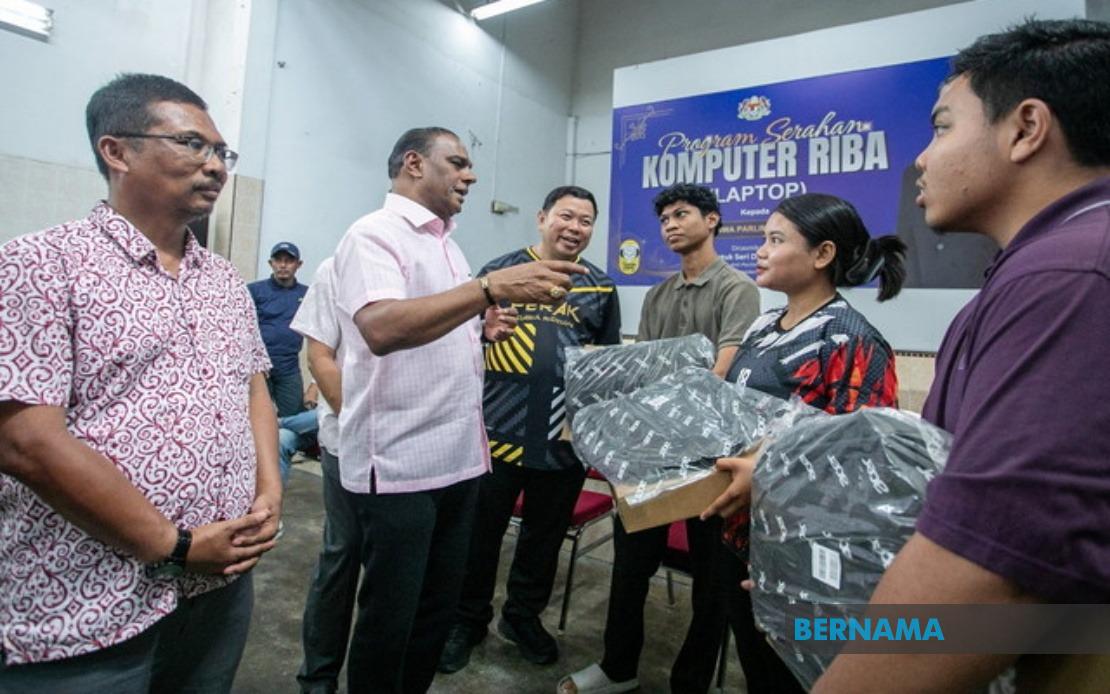
The Malaysian Indian Congress has confirmed its intention to retain the Gadek seat in the upcoming Melaka state election, whilst simultaneously exploring the possibility of expanding its electoral footprint by contesting additional constituencies. Datuk Seri M. Saravanan, the party's deputy president, made the announcement in Tapah after attending the 2026 Tapah Parliamentary Students Laptop Handover Programme, signalling that MIC is charting a cautiously ambitious course for the state polls.
The decision to defend Gadek appears strategically sound given the party's past success there. In the 2021 Melaka state election, MIC's VP Shanmugam secured the seat under the Barisan Nasional banner with a 559-vote margin in a six-way contest, demonstrating the party's ability to mobilise its core voter base in that constituency. Retaining this foothold is therefore a priority for an organisation seeking to maintain relevance within the broader coalition framework.
However, Saravanan's comments about weighing additional seat contests reveal MIC's ambitions to grow beyond its current singular representation. The party leadership is engaged in a thorough evaluation process that considers multiple variables before committing to expand its slate. This methodical approach reflects lessons learned from previous electoral campaigns and a recognition that securing additional seats requires more than merely fielding candidates in winnable areas.
The assessment framework being employed by MIC's leadership encompasses three critical dimensions. Firstly, the party is evaluating the suitability of potential constituencies in terms of demographic composition, voter distribution, and electoral history. Secondly, the strength and viability of prospective candidates are being scrutinised, recognising that even favourable seat configurations cannot guarantee victory without capable individuals to carry the party's message. Thirdly, and perhaps most importantly, the party is conducting realistic appraisals of winning prospects, avoiding the trap of contesting seats where the odds of success are negligible.
Tan Sri S A Vigneswaran, MIC's president, has taken personal charge of evaluating potential candidates for the election. This hands-on approach by the party chief underscores the importance MIC attaches to fielding quality contenders. Saravanan indicated that the party would soon announce its final decisions regarding both candidate selections and the number of constituencies it will contest, suggesting that the internal deliberation process is approaching its conclusion.
Beyond candidate selection and seat expansion, MIC has initiated comprehensive groundwork to prepare for the electoral campaign. The party has already begun the foundational work of voter identification, with particular emphasis placed on understanding and energising its core support base. This targeted approach acknowledges that in a competitive electoral environment, mobilising committed supporters is often more valuable than attempting to appeal broadly to undecided voters who may be swayed by multiple competing narratives.
The party's campaign preparation also encompasses a thorough assessment of contemporary issues that resonate with Melaka voters. By identifying problems that citizens currently face or anticipate facing in the near future, MIC aims to craft messaging that demonstrates the party's understanding of local concerns and its commitment to addressing them. This ground-level issue mapping is crucial for a party seeking to justify its continued relevance to constituencies where its electoral presence has been marginal.
For Malaysian Indian Congress, the Melaka election represents both a consolidation opportunity and a growth challenge. The party has struggled nationally to maintain its electoral significance, and state-level contests offer platforms to demonstrate that it remains a force capable of delivering results for its supporters and the broader Barisan Nasional coalition. The outcome in Melaka will likely influence expectations for MIC's performance in future electoral contests.
The timing of MIC's expansion considerations is noteworthy given the current political landscape in Malaysia. With various state elections scheduled across the country, MIC's decisions in Melaka could signal a broader repositioning strategy for the party. Whether the party ultimately contests one or multiple seats will reveal whether MIC leadership believes it possesses the organisational capacity and candidate quality to manage a larger slate effectively.
For Melaka voters and observers of Malaysian politics more broadly, MIC's deliberate approach to the forthcoming state election reflects a recognition that electoral success requires more than optimism or name recognition. The party's commitment to defending Gadek whilst seriously considering additional seats demonstrates confidence tempered by realism—a combination that could yet yield positive results for an organisation seeking to reclaim political ground.

