The Malaysian Indian Congress (MIC) will field candidates in four constituencies during the upcoming Johor state election, according to a statement from the party's vice-president Datuk T. Murugiah. The allocation was confirmed following recent strategic discussions between Barisan Nasional component parties regarding seat distribution for both the Johor and Negeri Sembilan elections. MIC president Tan Sri SA. Vigneswaran finalised the decision during coalition coordination meetings, establishing the party's presence in the state contests scheduled for mid-year polling.
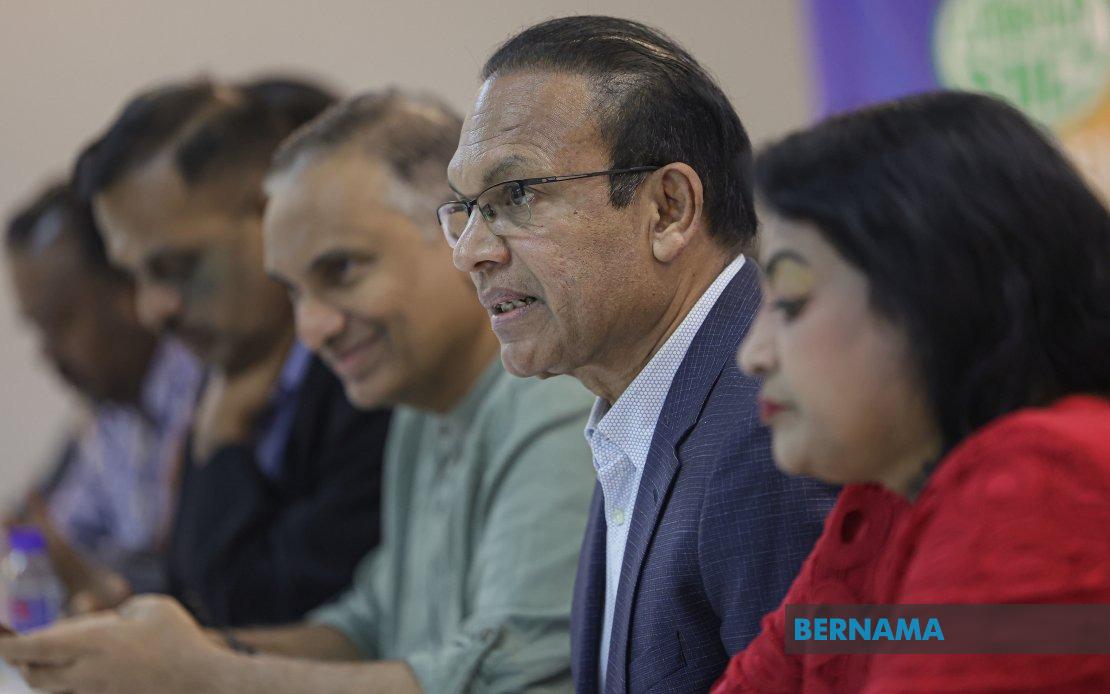
Murugiah outlined the party's electoral strategy at a press conference held at MIC headquarters following an internal gathering to plan the party's 80th anniversary celebrations. He emphasised that while the Johor seat allocation is firmly decided, negotiations over Negeri Sembilan constituencies remain ongoing within the BN framework. This phased approach reflects the complex seat-sharing negotiations that characterise coalition politics in Malaysia, where multiple component parties must balance representation with electoral viability across different states.
To strengthen its competitive position, MIC is investing substantially in grassroots organisation and messaging discipline. The party will conduct a two-day intensive training programme for approximately 150 speakers this weekend in Johor Bahru, equipping them with campaign techniques and party messaging before nomination day on June 27. This cadre of trained communicators will subsequently be deployed across all 56 state constituencies contested by BN, with particular focus on mobilising Indian community voters who represent a significant demographic in Johor's electoral landscape.
The training initiative reflects a broader strategic shift within MIC to professionalise its campaign apparatus. Rather than relying solely on traditional grassroots networks, the party is systematising the dissemination of information through coordinated speaker networks. This approach seeks to ensure message consistency while allowing local adaptation to constituency-specific concerns, a technique increasingly important in Malaysian politics where community-specific narratives carry substantial electoral weight.
MIC's performance in the previous election provides context for current ambitions. In the March 2022 Johor state election, the party contested four seats and achieved a respectable 75 per cent success rate, winning three constituencies—Kemelah, Kahang, and Tenggaroh—while suffering defeat in Bukit Batu. This track record suggests the party maintains reasonable organisational capacity and voter support within selected constituencies, though the results also indicate that even established parties face competitive pressure in individual races.
The party's strategy for the upcoming contest involves both continuity and tactical adjustment. MIC is expected to retain candidacies in Kemelah and Kahang, constituencies where it demonstrated electoral strength previously. However, the party will contest Bukit Batu again, seeking to reclaim the seat lost two years ago. In a coalition-level arrangement, MIC will cede the Tenggaroh seat to UMNO in exchange for the Perling constituency, reflecting the intricate negotiations that define BN seat-sharing arrangements. Such swaps balance each component party's electoral prospects while maintaining overall coalition cohesion.
The anticipated introduction of new candidate faces represents significant generational shifts within MIC's electoral strategy. Party insiders indicate that approximately half of the candidates fielded in Johor will be newcomers to state-level electoral contests. This injection of fresh candidates could energise the party's campaign while potentially disrupting established grassroots networks that favour incumbents. The strategy signals MIC's attempt to project renewal and vibrancy, particularly important for a party seeking to reconnect with younger Indian Malaysian voters who may view the party as institutionally stale.
MIC's concurrent discussions regarding Negeri Sembilan allocations suggest the party may secure two seats in that state, though final decisions remain pending. The staggered election schedules—July 11 for Johor and August 1 for Negeri Sembilan—provide the party with distinct campaign windows and allow resource allocation adjustments based on initial electoral momentum. This sequencing permits MIC to concentrate resources and messaging on the higher-profile Johor contest first, potentially generating positive feedback to invigorate the subsequent Negeri Sembilan campaign.
Beyond electoral contests, MIC is leveraging its 80th anniversary celebrations as a party revitalisation platform. The organisation of sports competitions across 152 locations nationwide, featuring football, badminton, bowling, carrom, and hiking, serves multiple political objectives simultaneously. Such initiatives build community goodwill, provide informal networking opportunities for party organisers, and create visible party presence in local areas. The explicit invitation extended to participants of all races reflects MIC's positioning as a multi-communal rather than exclusively ethnic-based party, a crucial narrative for maintaining BN coalition unity.
The broader electoral context positions MIC within Malaysia's evolving political landscape, where Indian Malaysian voting behaviour has become increasingly volatile and less predictable than historical patterns suggested. The party faces competition from PKR and DAP for Indian community support, particularly among younger, urban voters concerned with economic and social issues beyond traditional communal representation frameworks. MIC's emphasis on grassroots mobilisation and systematic speaker training indicates recognition that maintaining electoral relevance requires active outreach rather than assumed community loyalty.
The nomination process timeline, with Johor candidates confirmed on June 27 and Negeri Sembilan on July 18, provides MIC with approximately two weeks to complete internal selections and prepare campaign machinery for the intensive electoral period preceding July 11 polling. This compressed timeframe reflects standard Malaysian electoral procedures but places substantial demands on party administrative capacity, particularly for a relatively smaller coalition component like MIC managing operations across multiple states simultaneously.
For Malaysian observers, MIC's approach in these elections carries implications beyond state-level outcomes. The party's electoral performance will substantially influence its positioning within BN during potential federal-level political realignments. Strong results could enhance MIC's coalition bargaining power, while disappointing outcomes might prompt questions about the party's continued relevance within the broader BN framework. Consequently, these state elections function as significant indicator races for Indian Malaysian political trajectories and coalition dynamics more broadly.