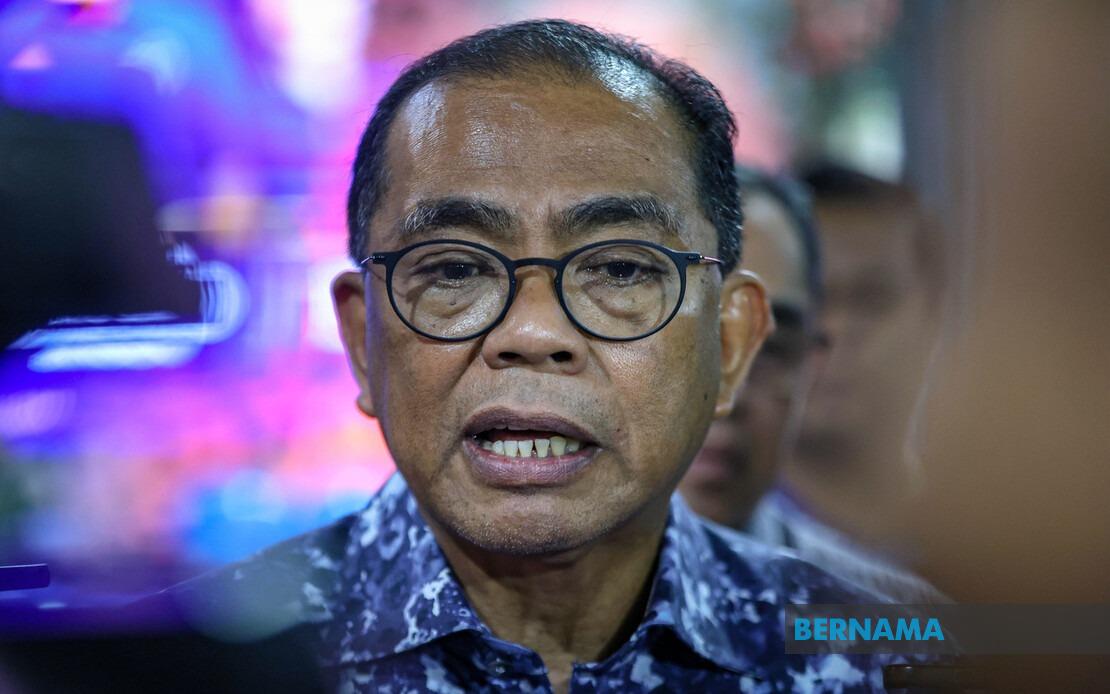
Malaysia's Ministry of Defence is pursuing a comprehensive overhaul of how the armed forces manage talent, promotions, and compensation for its personnel, marking a significant shift in military workforce policy. The initiative comes amid broader government efforts to modernise public sector employment frameworks under Prime Minister Anwar Ibrahim's administration, with Defence Minister Datuk Seri Mohamed Khaled Nordin signalling that detailed reform proposals have already been escalated to the Public Service Department for formal consideration.
At the core of MINDEF's push is a recognition that Malaysia's military personnel management systems have not kept pace with the rapid modernisation of defence capabilities and technological advancement across the Malaysian Armed Forces. The ministry has identified three interconnected challenges: the organisational structure of the military hierarchy, the pathways available for career progression, and the remuneration packages offered to service members. These elements, ministry officials argue, must evolve together to ensure that promising officers and soldiers are not constrained by outdated administrative frameworks that prevent them from advancing despite meeting all performance and competency standards.
One of the most immediate problems MINDEF faces is a structural bottleneck affecting officer advancement. Qualified personnel who have demonstrated both competency and strong performance records find themselves unable to gain promotion simply because vacant positions at the next rank remain unavailable. This creates frustration within the force and risks losing experienced talent to other sectors. Mohamed Khaled emphasised that the ministry seeks to establish a more rational alignment between an individual's rank, their assigned grade level, their actual responsibility scope, and the strategic roles they perform within the armed forces. Such misalignment not only demoralises personnel but also represents inefficient deployment of trained military assets.
The defence ministry's campaign for reform has been building momentum since the launch of Malaysia's Defence White Paper in 2022, which outlined a strategic vision for modernising the armed forces over the coming decade. Within that broader modernisation framework, MINDEF identified human capital management as a critical enabler of defence capabilities. Recognising that technological advancement and organisational change must be accompanied by commensurate changes to workforce management, the ministry initiated discussions on talent management systems and staffing structures. In March of the previous year, formal proposals addressing improvements to the Public Service Remuneration System were submitted to the Public Service Department, representing a tangible step toward translating ambition into policy.
A distinctive aspect of the reform agenda concerns special allowances tailored specifically to military service. Mohamed Khaled highlighted that armed forces personnel undertake professional development obligations that civilian public servants typically do not face. Military officers and personnel are often required to attend extended vocational courses lasting between nine months and two years, creating unique career disruption and family circumstances that warrant separate consideration from standard public service allowance structures. By proposing allowances calibrated to these distinctive professional demands, MINDEF is attempting to ensure that military compensation packages reflect the actual conditions and constraints of military employment.
Crucially, MINDEF has insisted that any acceleration of promotion timelines or modifications to advancement criteria must remain grounded in meritocratic principles. The minister was emphatic that expedited promotion mechanisms will not become automatic pathways divorced from individual performance. Instead, any newly created accelerated promotion route must continue to evaluate candidates rigorously across multiple dimensions: demonstrated performance in current roles, technical and leadership competency, personal integrity, and alignment with organisational requirements. All such evaluations would proceed through established assessment mechanisms, preserving the integrity of the selection process while potentially compressing the timeframe in which qualified personnel can advance.
MINDEF's institutional push for reform has been powerfully amplified by Prime Minister Anwar Ibrahim's recent announcement of in-principle government agreement to streamline and expedite the promotion process for both military personnel and members of the Royal Malaysia Police. The Prime Minister's declaration represents political backing for the kind of systemic changes the Defence Ministry has been championing, suggesting that these reforms now carry Cabinet-level priority. By explicitly bracketing armed forces advancement with police personnel advancement, the government has signalled that both security agencies will benefit from modernised career frameworks that bring them into closer alignment with other public service promotion schemes. This holistic approach may prove more politically sustainable than reforming the military in isolation.
Detailed specifications of the new promotion mechanism are scheduled for public announcement during Malaysia's Ambang Merdeka celebrations on August 30 at Stadium Merdeka in Kuala Lumpur. This timing represents a deliberate attempt to link the security services reforms with national commemoration, emphasising the government's commitment to strengthening the institutions that safeguard Malaysian sovereignty and internal security. The decision to unveil the framework during a high-profile national celebration also ensures media coverage and public awareness, potentially building popular understanding of why such changes matter for national defence capacity.
The government has additionally committed to increasing MINDEF's budgetary allocation in the forthcoming Budget 2027, framing this financial commitment as essential to modernising defence capabilities while simultaneously protecting the welfare of military and police personnel. This dual emphasis—investing simultaneously in technological modernisation and human capital improvement—reflects an understanding that defence effectiveness depends on both cutting-edge equipment and satisfied, professionally developed personnel. The budget commitment suggests that the government views military workforce reform not as an expense to be minimised but as a strategic investment comparable to procurement of modern weapons systems or surveillance infrastructure.
For Malaysian readers and regional observers, these reforms carry implications extending beyond domestic military management. A military organisation that successfully attracts, retains, and develops its best personnel, that provides clear advancement pathways, and that compensates service members fairly tends to maintain higher operational effectiveness and institutional stability. Southeast Asian militaries face intensifying demands from evolving regional security challenges, maritime disputes, and transnational security threats, making personnel quality and stability increasingly important. Malaysia's effort to modernise military career frameworks can be understood as preparation for operating effectively within this complex security environment, while also signalling to defence personnel that the government takes their professional aspirations seriously.
The comprehensive nature of MINDEF's reform agenda—touching simultaneously on structure, advancement mechanisms, and compensation—suggests sophisticated recognition that these elements interact with one another. Merely accelerating promotions without adjusting organisational structures would create new misalignments. Offering enhanced allowances without credible advancement pathways would ring hollow to ambitious personnel. By addressing all three dimensions in coordinated fashion, MINDEF demonstrates that this represents genuine systemic reform rather than cosmetic adjustments. Whether the formal implementation of these reforms, anticipated following the August 30 announcement, will fully achieve the ministry's objectives will become evident only as the new mechanisms take effect across the military establishment.

