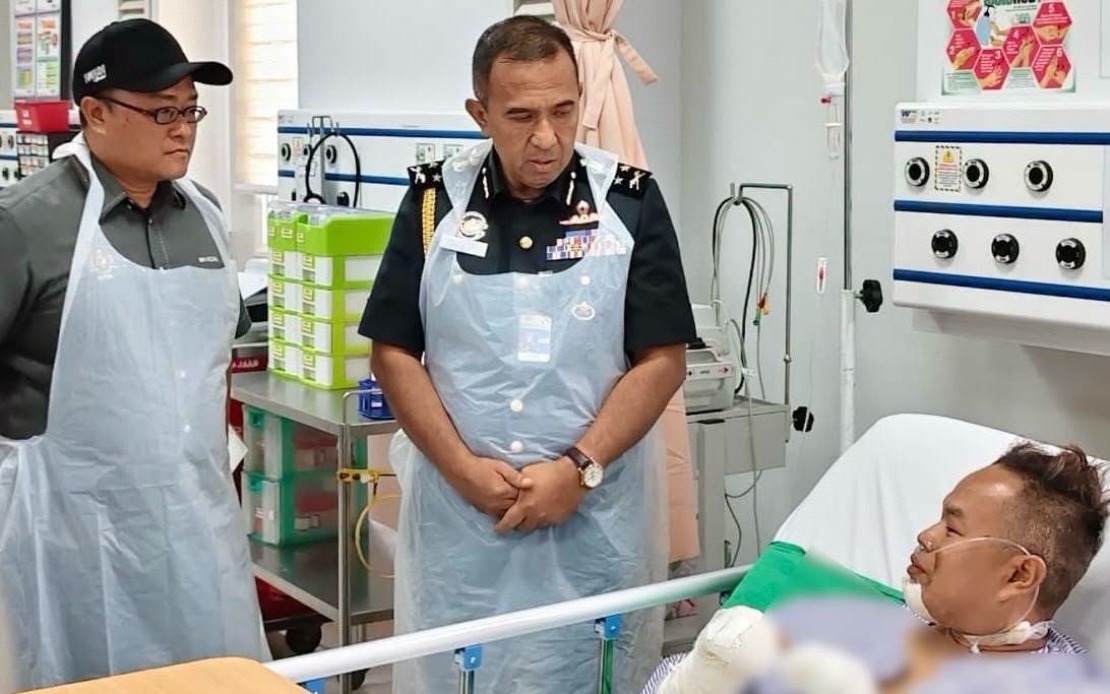
Two enforcement officers from the Ministry of Domestic Trade and Cost of Living (KPDN) were injured in Selangor while participating in Ops Tiris 4.0, a nationwide enforcement campaign targeting the illegal diversion of subsidised liquefied petroleum gas through decanting activities. The incident has drawn attention to the physical dangers that frontline government personnel encounter in their regular duties protecting consumer welfare and combating subsidy fraud across the country.
Assistant Enforcement Officer Mohammad Fauzi Baharuddin suffered fairly serious injuries during the operation and remains under medical care at the time of reporting. His colleague, Enforcement Assistant R. Yoghanath, sustained minor injuries and was discharged following treatment. The circumstances surrounding how the officers were injured during the raid were not disclosed, though such enforcement actions against organised subsidy theft typically involve confrontations with those operating illegal decanting operations.
Domestic Trade and Cost of Living Minister Datuk Armizan Mohd Ali conveyed his personal prayers for Mohammad Fauzi's full recovery and requested strength for him during the treatment process. Through a Facebook statement, the minister acknowledged the emotional toll such incidents place on the families of injured personnel, expressing understanding of their anxiety and concern during the recovery period. He similarly extended wishes for Yoghanath's continued good health and complete recuperation.
The incident underscores the physical reality of enforcement work in Malaysia's subsidy protection framework. Every enforcement operation against illegal LPG activities carries inherent risk, as officers confront individuals or networks profiting substantially from decanting subsidised gas and selling it at market rates or illegally exporting it. These operations require officers to work unpredictably, often in circumstances beyond their control, placing their personal safety secondary to protecting the public interest and national resources.
Armizan's statement went beyond formal sympathy to recognise the broader sacrifice made by all KPDN enforcement personnel. He emphasised that each raid represents officers departing their families to perform duties that frequently involve unpredictable and potentially dangerous situations. This framing positions enforcement work not merely as a bureaucratic function but as a form of public service demanding courage and personal risk for the benefit of ordinary Malaysians who depend on subsidised energy access.
Ops Tiris 4.0 represents a sustained government effort to preserve the integrity of Malaysia's fuel subsidy system, which extends substantial benefits to households and businesses. Illegal decanting diverts these subsidies away from intended beneficiaries toward private enrichment and potentially underground markets. The operation's scale and ongoing nature reflect how persistent the problem has become across Malaysian states, particularly in Selangor where high population density and industrial activity create significant incentives for black-market LPG trading.
The minister's expression of solidarity serves multiple institutional purposes. It acknowledges legitimate workplace risks within government service, a necessary gesture given Malaysia's ongoing efforts to attract and retain quality personnel in enforcement roles that often lack the prestige of policy positions. It also signals government commitment to supporting personnel injured in service, an important message as enforcement operations against organised subsidy theft sometimes encounter resistance from those defending illegal operations.
For Southeast Asian observers, the incident reflects broader challenges across the region in maintaining energy subsidy systems while combating their illegal diversion. Many ASEAN nations struggle with similar problems where regulated fuel prices create profit opportunities for those willing to operate outside legal frameworks. Malaysia's visible enforcement campaign and ministerial acknowledgement of personnel sacrifice represent one approach to this regional problem.
The timing and nature of such injuries also illustrate why enforcement agencies increasingly require modern equipment, training, and protective measures. As illegal operations become more sophisticated and better resourced through black-market profits, the risks to enforcement personnel grow accordingly. Government investment in officer safety directly supports operational effectiveness and sustainability of subsidy protection efforts.
Armizan's message extending prayers to all KPDN personnel carrying out field duties acknowledges that these two injured officers represent countless colleagues conducting similar work throughout Malaysia. This recognition helps maintain morale within an enforcement service that often operates with limited public visibility despite performing essential consumer protection functions. The minister's gesture, while symbolic, reinforces institutional values supporting personnel welfare and operational continuity.

