Malaysia's contingent at the Glasgow 2026 Commonwealth Games experienced a day of contrasting outcomes on July 25, with athletes across five sports disciplines encountering both encouraging moments and disappointing eliminations. The varied results underscored the unpredictable nature of international competition, particularly for smaller delegations competing against teams with larger and better-resourced programmes.
In the pool, para-swimmer Ethan Khoo Yin Jun secured a respectable fourth-place finish in the men's 200 metre freestyle event at Tollcross International Swimming Centre, clocking 2 minutes 5.25 seconds. His performance demonstrated Malaysia's competitive standing in para-swimming disciplines, though the result fell short of medal contention. The achievement proved isolated, however, as the able-bodied swimming contingent struggled against more heavily developed national programmes from larger Commonwealth nations with deeper talent pools and superior training infrastructure.
The difficulties encountered by Malaysia's open swimmers highlighted structural challenges facing the nation's aquatics development. Khiew Hoe Yean, Tan Khai Xin, Lim Yin Chuen, and Arvin Shaun Singh Chahal all exited during preliminary rounds rather than advancing to finals, suggesting significant gaps in preparedness or competitive depth. Hoe Yean, finishing 10th overall among 27 competitors in the men's 400 metre freestyle with a time of 3:54.23, and Khai Xin, placing 14th in the same event at 3:57.54, indicated that while times were respectable, they proved insufficient against the international field. Yin Chuen and Arvin jointly finished 28th among 68 swimmers in the men's 50 metre freestyle, confirming that sprint disciplines presented particular difficulties for Malaysia's representatives.
The wheelchair basketball team's narrow defeat proved particularly agonising given that the match could have advanced Malaysia's medal prospects within its group. Facing Wales in a Group B encounter at Scottish Event Campus, the Malaysian squad suffered a heartbreaking loss in the final moments, going down 13-14 when victory hung tantalizingly within reach. Such close defeats in opening fixtures often prove decisive when determining final standings and qualification pathways, potentially affecting Malaysia's ability to compete for medals in subsequent rounds and playoff matches.
Lawn bowling delivered more encouraging news for Malaysia's delegation. Both Izzat Shameer Dzulkeple in the men's singles competition and the women's pairing of Aleena Ahmad Nawawi and Syafiqa Haidar Afif Abdul Rahman extended their winning streaks within group-stage play, securing their third consecutive victory. Their continued success suggested Malaysia maintained strength in this traditional Commonwealth discipline where smaller nations can compete effectively against larger sporting powers through skill and experience rather than resource-intensive training systems.
Artistic gymnastics contributed another positive moment when Rachel Yeoh advanced to the uneven bars final at Glasgow International Arena. Her third-place qualifying position among 49 gymnasts in the apparatus-specific rounds indicated she remained capable of mounting a genuine medal challenge despite the technical difficulty of elite gymnastics competition. Malaysia's representation in aesthetic sports disciplines at Commonwealth Games frequently depends on identifying individual athletes with exceptional talent and technical ability, making Yeoh's advancement particularly significant for the nation's overall medal prospects.
Looking ahead to July 26, weightlifting takes centre stage with defending champions Mohamad Aniq Kasdan and Muhamad Aznil Bidin presenting Malaysia's most realistic opportunities for gold medals. Aniq will contest the men's 60 kilogramme category whilst Aznil pursues what would constitute his third consecutive Commonwealth Games gold medal in the men's 65 kilogramme category at SEC Armadilo. Such back-to-back gold medals represent exceptional achievements in international weightlifting, placing both athletes among Malaysia's most decorated Commonwealth Games performers. Their defence against international competitors will substantially influence Malaysia's final medal tally, particularly given the nation's historical reliance on weightlifting as a medal production avenue at these Games.
The men's 4x200 metre freestyle relay team comprising Hoe Yean, Arvin Shaun, Yin Chuen, and Khai Xin will receive another platform to demonstrate their capabilities despite earlier individual disappointments. Relay competition sometimes produces improved performances as athletes benefit from participating with teammates and potentially more favourable race conditions. Such opportunities prove crucial for swimming delegations from developing nations seeking to maximise medal opportunities from limited squad sizes.
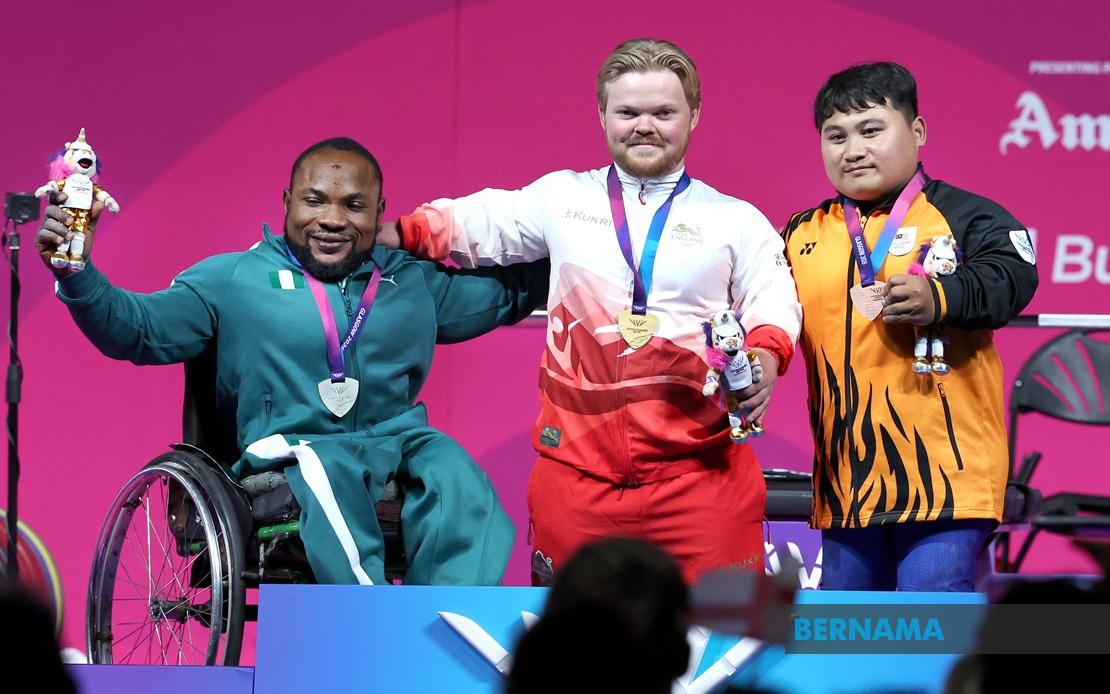
Currently, Malaysia's medal cabinet contains one bronze courtesy of powerlifter Bonnie Bunyau Gustin's achievement in the men's lightweight category. While this represents a modest start relative to historical Commonwealth Games performances, the competition remains in early stages with numerous sports and events pending completion. The coming days will reveal whether Malaysia's contingent can recover from mixed opening performances and mount a more substantial medal challenge, particularly through weightlifting and selected individual performers demonstrating capacity to compete at elite Commonwealth level.

