Tourism, Arts and Culture Minister Datuk Seri Tiong King Sing has cautioned agents operating the Malaysia My Second Home (MM2H) Programme to strictly observe the legal frameworks of nations where they conduct business, warning that domestic accreditation alone provides no shelter from international regulatory requirements. The message comes as concerns mount over unauthorized intermediaries and potential fraud in overseas recruitment efforts, particularly in key markets such as South Korea.
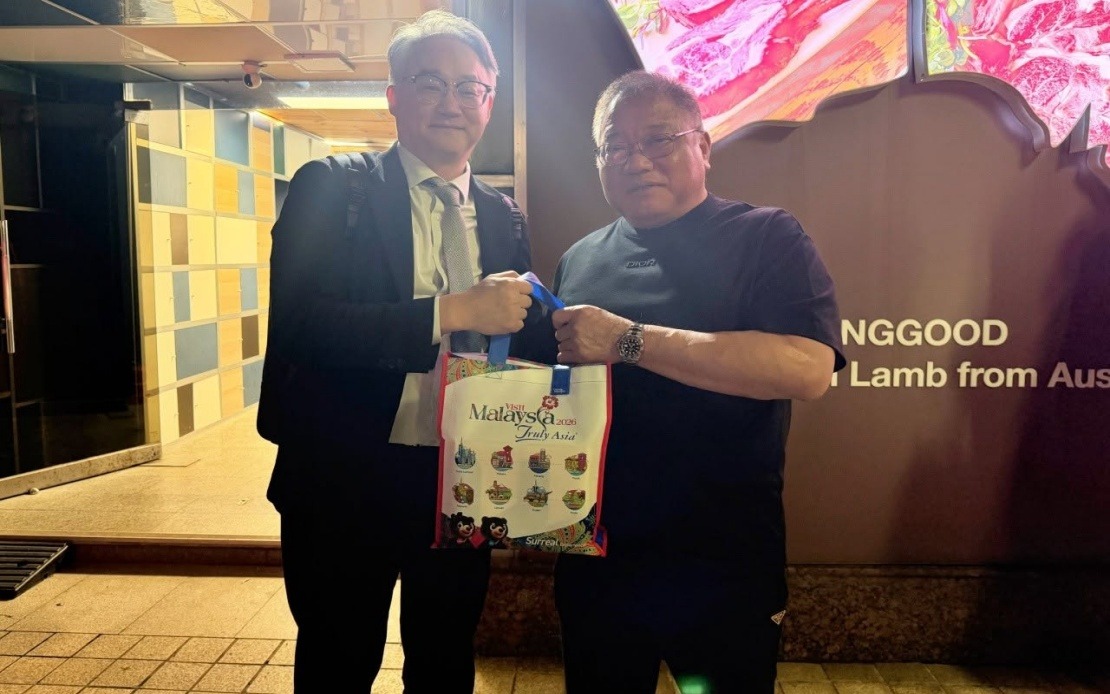
During a recent visit to Seoul, Datuk Seri Tiong met with representatives of the Malaysian Association in the Republic of Korea, where officials raised the alarm about inconsistent compliance practices among some Malaysian-based MM2H agents. The association's leadership, including President Dr Aaron Kim Hong-Seok, Secretary-General Kim Jun-Hyung, and other officials, highlighted instances where agents appeared unfamiliar with South Korea's regulatory environment and were operating through informal local contacts without proper oversight structures.
The core issue, according to Datuk Seri Tiong, stems from a fundamental misunderstanding among some MM2H licence holders in Malaysia. Acquiring authorization to operate within Malaysia's jurisdiction does not automatically satisfy the regulatory demands imposed by foreign governments. This distinction carries particular weight in jurisdictions with stringent consumer protection laws and foreign investment regulations. Agents promoting retirement programmes and recruiting participants internationally must navigate additional layers of compliance, including registration with local authorities, adherence to advertising standards, and proper contractual frameworks specific to each market.
The proliferation of unaccredited intermediaries claiming to handle MM2H applications has created significant market confusion and exposure to fraudulent schemes. When multiple unauthorized parties present themselves as legitimate programme representatives, prospective applicants face heightened risks of financial loss, misrepresentation, and complications during the formal application process. This deterioration of market integrity undermines confidence not only among Korean prospects but potentially across all Southeast Asian markets where Malaysia competes for affluent retirees and investors.
Datuk Seri Tiong emphasized that programme success cannot be measured solely by application volume. Instead, protecting applicants and fostering transparent, regulated market development must take priority over short-term recruitment targets. This philosophy reflects a strategic shift toward sustainable programme growth anchored in legitimacy rather than aggressive agent competition. He indicated that upon returning to Malaysia, he would issue formal reminders to all MM2H agent companies regarding their obligations to comply with applicable regulations across all jurisdictions where they operate.
The establishment of structured cooperation mechanisms between Malaysian MM2H agents and vetted local industry partners represents a critical component of the solution. Such formal partnerships would create clear accountability chains, standardize promotional practices, and reduce the information asymmetries that currently enable fraudulent actors to operate with relative impunity. This institutional approach mirrors best practices adopted by other countries marketing retirement and residency programmes internationally, where official partnerships and tiered authorization systems create verifiable supply chains.
South Korea represents a particularly attractive market for MM2H expansion, given its aging demographic profile and substantial populations of retirees seeking warm-weather destinations during harsh winters. The country's middle and upper-middle classes possess sufficient disposable income to support extended stays in Malaysia, creating genuine demand for long-term residential solutions. However, realizing this potential requires that Korean consumers encounter trustworthy, compliant service providers rather than navigating a landscape fractured by conflicting claims and dubious intermediaries.
Datuk Seri Tiong encouraged MM2H agents to intensify promotional activities within Korea through legitimate channels and established local partnerships. This collaborative approach would not only enhance market penetration but would simultaneously strengthen the programme's reputation and legal standing. Agents demonstrating commitment to transparent, regulated operations position themselves advantageously as the market matures and authorities impose stricter enforcement standards.
The MM2H Programme's long-term success in competitive international markets depends on maintaining rigorous standards of agent conduct and consumer protection. As Malaysia competes against Portugal, Thailand, and other nations offering similar retirement residency schemes, regulatory compliance and fraud prevention become key differentiators. Markets that experience high incidences of unauthorized agents, misrepresentation, and consumer losses develop reputational damage that takes years to remedy. Conversely, programmes consistently delivering transparent, legally sound operations build brand loyalty and premium positioning.

