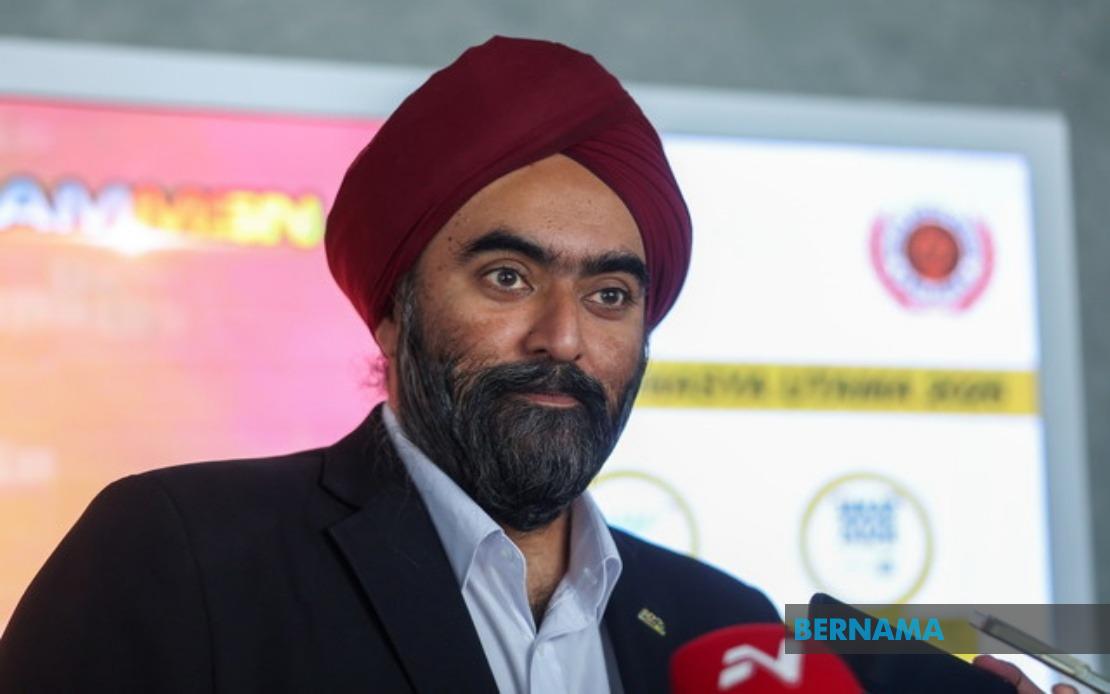
The Malaysian National Cycling Federation (MNCF) has initiated an urgent appeal to Yayasan Sime Darby (YSD) for high-level negotiations aimed at breaking the impasse that has resulted in the postponement of the YSD Track Cycling and BMX Series 2026. MNCF president Datuk Amarjit Singh Gill made the call following the announcement of the Le Tour de Langkawi 2026 route in Putrajaya on June 25, signalling that resolving the cycling series dispute has become a pressing priority within the sport's leadership.
The postponement represents a significant setback for Malaysia's cycling talent development ecosystem, particularly at a time when the nation is seeking to strengthen its competitive position in regional and international track cycling competitions. The YSD-backed series has historically served as a crucial platform for identifying and nurturing emerging cyclists in both track and BMX disciplines, making its suspension a concern not only for the federation but also for aspiring athletes who depend on structured competition pathways. The interruption threatens to disrupt the developmental pipeline that has produced numerous medallists at Southeast Asian Games and Commonwealth Games events.
According to YSD's earlier statement, the postponement stemmed from technical issues involving the MNCF. However, Amarjit declined to elaborate extensively on the specific nature of these concerns, instead framing the situation as fundamentally resolvable through constructive dialogue. His measured approach suggests that while disagreements exist between the two organisations, the federation views the underlying problems as manageable rather than insurmountable, provided both parties approach discussions with goodwill and professional maturity.
Ammarjit emphasised that the resolution requires engagement at the highest organisational levels, with both YSD's top management and MNCF executive council members sitting down to address the identified issues comprehensively. This escalation to senior leadership underscores the complexity of the breakdown, indicating that routine operational channels have either been exhausted or bypassed in favour of a reset at the strategic level. Such an approach is typical when institutional or procedural disagreements require clarification of roles, responsibilities, and expectations between partner organisations.
Central to the MNCF president's messaging is the theme of mutual respect and equal partnership status. Amarjit repeatedly stressed that effective collaboration between strategic partners demands recognition of each other's roles and contributions, suggesting that any resolution must affirm both parties' legitimacy and standing within the cycling ecosystem. This emphasis on parity indicates that the federation may perceive an imbalance in how YSD has positioned itself relative to the MNCF, or conversely, that YSD feels its authority and concerns are not receiving adequate acknowledgment from the federation's leadership.
The MNCF has signalled its availability for immediate discussions, positioning the federation as responsive and flexible in its approach to conflict resolution. Amarjit stated that the federation remains open to meetings at any time and in any format necessary to prevent further disruption to the talent development programme. This flexibility serves both as a diplomatic gesture and a demonstration of commitment to restoring the series, potentially heading off criticism that the federation is obstructing progress or acting defensively toward YSD's concerns.
While characterising YSD's technical issues claim as deserving of respect, Amarjit gently suggested that the underlying matters are not inherently complicated or intractable. This calibrated response avoids dismissing YSD's grievances while subtly implying that obstacles to resolution may be overcome through competent management and collaborative problem-solving. The federation's tone conveys confidence that good faith discussions, conducted with proper governance and mutual deference, can restore the partnership to functional status.
For Malaysia's cycling development system, the stakes of this dispute extend beyond administrative arrangements between two organisations. The YSD Track Cycling and BMX Series 2026 represents a significant investment in junior and development-level athletes, and its prolonged suspension risks demoralising talented cyclists and potentially driving some toward alternative sports or international opportunities. Regional rivals in Southeast Asia maintain robust talent pipelines with consistent competition calendars, and Malaysia cannot afford protracted gaps in domestic competition if it aims to maintain competitive depth at regional championships and Olympic qualifying events.
The postponement also raises questions about governance and collaboration frameworks within Malaysian sports administration. Public disputes between funding bodies and sport federations, even when framed diplomatically, can undermine confidence among athletes, sponsors, and stakeholders in the stability and professionalism of competitive cycling structures. Rapid resolution becomes not just operationally important but symbolically significant in reassuring the broader cycling community that institutional relationships remain sound and that temporary disagreements do not signal deeper systemic fragmentation.
Amjit's articulation of appreciation for YSD's contributions to cycling development appears strategically designed to reframe any negotiation as occurring within a fundamentally positive relationship experiencing temporary friction rather than as a confrontation between opposing entities. This framing may facilitate YSD's acceptance of dialogue by eliminating any perception that the MNCF views the sponsor's concerns as unreasonable or that resolution requires YSD to capitulate on substantive issues. By acknowledging YSD's investment and commitment, the MNCF creates space for both parties to address grievances while preserving the underlying partnership.
The pathway forward hinges on whether both organisations can move beyond position statements to substantive engagement on the technical issues YSD has identified. For Malaysian cycling's continued development, the restoration of this talent development series remains essential, and the federation's proactive stance in seeking high-level talks suggests determination to achieve that outcome swiftly. Success in these negotiations could serve as a model for managing disputes between sports federations and corporate sponsors, demonstrating how institutional conflicts can be resolved through structured dialogue conducted with mutual acknowledgment of each party's essential role in Malaysia's sporting ecosystem.

