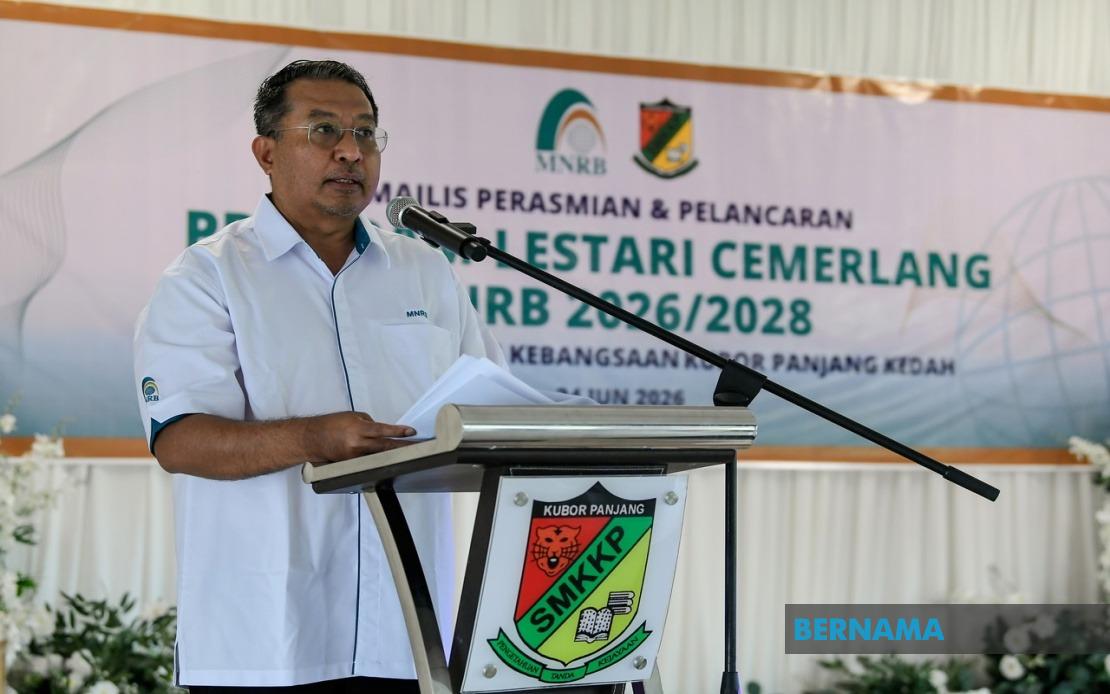
MNRB Holdings Berhad, an investment holding company, has committed nearly RM600,000 through its Lestari Cemerlang Programme to enhance educational standards across six schools in Malaysia. The initiative was formally launched at Sekolah Menengah Kebangsaan Kubor Panjang in Kedah on June 24, marking the programme's expansion to the northern region following earlier placements in Perak, Pahang, Negeri Sembilan, Melaka and Selangor.
Datuk Rudy Rodzila Che Lamin, MNRB's interim president and group chief executive officer, described the adopted school programme as a cornerstone of the company's corporate social responsibility framework since its inception in 2011. The approach deliberately prioritises rural educational institutions, recognising the infrastructure and resource disparities that often constrain student achievement in less urbanised areas. By combining academic support with infrastructure development, MNRB seeks to create sustainable improvements rather than temporary interventions.
The programme operates on a multifaceted strategy encompassing both curricular and extracurricular dimensions. Additional tuition classes for Form Five students address examination preparation during critical assessment periods, while motivational camps and student development workshops foster resilience and life skills essential for long-term success. These interventions recognise that academic performance depends not solely on classroom instruction but on the broader ecosystem supporting student development, including psychological readiness and character formation.
Infrastructure improvements form another pillar of the initiative. Schools receive upgraded learning facilities and the installation of MNRB Smart e-Learning Rooms—dedicated spaces equipped with smart televisions and internet connectivity designed to facilitate digital learning. This infrastructure investment reflects the evolving educational landscape where technology proficiency increasingly determines career prospects. For rural schools often lacking robust digital infrastructure, such facilities represent transformative access to online educational resources previously unavailable to their students.
The programme extends beyond immediate school-based interventions to encompass broader institutional support. Sponsorship of sports jerseys enables student participation in athletic competitions, fostering teamwork and school identity. Greening programmes introduce environmental awareness and contribute to sustainable campus development. These initiatives acknowledge that effective education transcends academics, preparing well-rounded individuals equipped for diverse societal challenges.
Complementing the Lestari Cemerlang Programme, MNRB operates the Tabung Biasiswa initiative targeting exceptional students from adopted schools pursuing higher education in sectors aligned with the company's business operations—specifically insurance, takaful and finance. Five top-performing students from SMK Kubor Panjang have received scholarship commitments covering diploma, bachelor's and master's level studies. This targeted approach creates pathways for talented individuals into professional sectors while simultaneously building a pipeline of educated workforce members familiar with MNRB's operational environment.
The scholarship initiative has demonstrated tangible success across the five previously supported schools. Fourteen students have received sponsorship so far, with eight subsequently securing employment within MNRB Group following graduation. This conversion rate indicates the programme's effectiveness in identifying talent and creating meaningful career trajectories. For rural students whose geographic isolation might otherwise limit access to professional networks and employment opportunities, such outcomes represent life-changing interventions.
Hazlina Hazani, MNRB Group chief people officer, emphasised the distinction between the two programmes—the Lestari Cemerlang initiative provides universal support to adopted schools addressing infrastructure and academic needs, while Tabung Biasiswa targets individuals pursuing qualifications in fields directly relevant to MNRB's sectoral interests. This differentiation demonstrates strategic corporate investment where broader community development initiatives complement targeted human capital acquisition aligned with business objectives.
The programme's expansion to Kedah represents geographical diversification of MNRB's educational footprint. The northern region's inclusion signals the company's commitment to supporting rural development across diverse geographic contexts. For Malaysian states like Kedah with significant rural populations, such corporate partnership addresses persistent educational equity gaps where rural schools operate with constrained resources compared to urban counterparts.
The launch ceremony included participation from Kedah State Education Department deputy director Ishak Awang, SMK Kubor Panjang principal Mohd Fadzli Abd Aziz, and MNRB senior management, reflecting institutional coordination between corporate, educational and governmental sectors. This collaborative approach strengthens programme implementation by aligning corporate resources with educational administration and government policy priorities.
For Malaysian students and educational institutions, such initiatives demonstrate how corporate social responsibility can address systemic educational challenges beyond government provision alone. The RM600,000 investment, while significant, reflects broader trends of private sector engagement in public goods provision. The programme's focus on character development alongside academic excellence aligns with Malaysian educational policy emphasising holistic student formation, suggesting corporate investments supporting national educational aspirations.
Looking forward, the programme's expansion trajectory and demonstrated outcomes suggest potential for further replication across additional states. The Lestari Cemerlang framework has proven adaptable to diverse school contexts and geographic settings, indicating scalability potential. For corporate practitioners and policymakers examining corporate-government educational partnerships, MNRB's model offers evidence that sustained, structured investment in school infrastructure and student support yields measurable improvements in student outcomes and institutional capacity.

