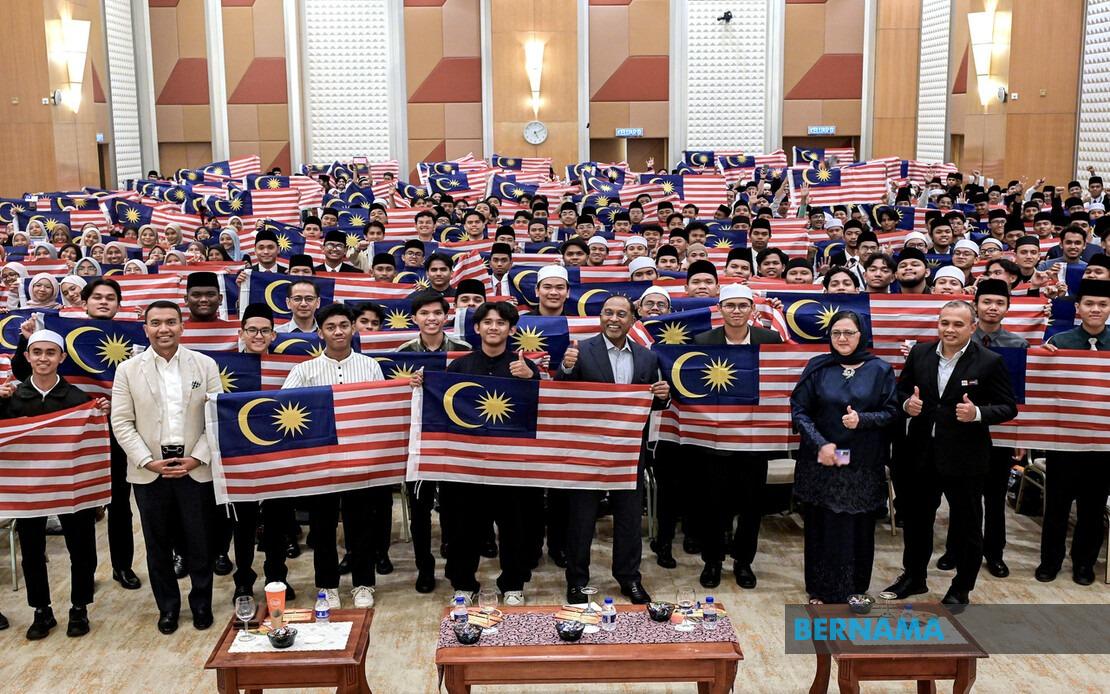
The Ministry of Higher Education has committed to maintaining heightened vigilance over the welfare and security of Malaysian students spread across West Asian nations, coordinating its response with Malaysia's diplomatic apparatus as the region navigates an increasingly volatile security environment. Higher Education Minister Datuk Seri Dr Zambry Abd Kadir outlined the ministry's comprehensive approach to student protection during an event in Putrajaya on August 3, emphasising that MOHE would implement all necessary safeguards while remaining responsive to rapidly changing circumstances in the region.
The ministry's heightened alert follows a cascade of international warnings, most notably the United States' advisory urging its citizens to evacuate the region. Rather than viewing such announcements as definitive security assessments, Dr Zambry characterised them as indicators requiring careful interpretation given the fluid nature of international relations. He acknowledged that American foreign policy priorities can shift significantly, meaning that today's security evaluations may differ substantially from tomorrow's, necessitating Malaysia's independent assessment of conditions affecting its nationals abroad.
MOHE's primary partnership in managing this crisis is Wisma Putra, the Foreign Ministry, which serves as the principal intelligence and guidance source for evaluating ground conditions and determining appropriate responses. This coordination structure reflects the Malaysian government's understanding that higher education officials lack the diplomatic and intelligence infrastructure necessary to independently assess geopolitical risks. By routing all critical decisions through the Foreign Ministry's expertise and intelligence networks, MOHE ensures that policy responses align with Malaysia's broader diplomatic posture and benefit from classified information unavailable to education authorities.
The immediate context for this heightened monitoring involves approximately 456 Malaysian students preparing to commence studies in Egypt, Jordan, and Morocco from September 1. These students have completed participation in the International Charisma Programme, an initiative organised jointly by MOHE and the Malaysia Nationhood Academy that provides pre-departure orientation covering not only practical welfare issues but also character development grounded in Islamic principles of knowledge acquisition, personal growth, and ethical development. This pedagogical approach reflects the Malaysian government's philosophy that student mobility serves not merely economic or professional advancement but also nation-building through developing globally-aware citizens committed to national development.
Egypt represents the most substantial concentration of Malaysian student presence in the region, with thousands currently enrolled across diverse academic disciplines. While Islamic studies remain a significant draw—reflecting historical educational networks and religious affinity—Malaysian students increasingly pursue professional qualifications including medicine, dentistry, and pharmacy, addressing Malaysia's healthcare sector needs through overseas training. Jordan hosts between 1,000 and 2,000 Malaysian students, establishing it as a secondary hub of Malaysian academic presence in the Levant. Morocco, by contrast, hosts smaller numbers, though growth trajectories suggest expanding interest in North African educational pathways.
To support this dispersed student population, MOHE maintains Education Malaysia offices in both Egypt and Jordan, serving as operational hubs for welfare coordination, crisis response, and administrative support. Morocco's absence of a dedicated office reflects current enrolment volumes, though matters affecting students there are channelled through the Egyptian office, creating a functional network extending across the North African-Middle Eastern axis. These offices function as early warning systems and intervention points, enabling rapid response to emerging security developments or student welfare crises.
The ministry has reported no evidence that current West Asian security dynamics have directly impacted Malaysian students in Egypt, Jordan, or Morocco, suggesting that the immediate threat environment, while concerning, has not materialised into acute dangers affecting this population. Nevertheless, MOHE has adopted a precautionary posture, ensuring all Education Malaysia offices operate at elevated alert levels with contingency protocols established for rapid evacuation or emergency support deployment should situations deteriorate. This proactive positioning reflects learning from previous international crises where inadequate preparation delayed crucial welfare responses.
Dr Zambry's framing of Malaysian students as "strategic national assets" situates overseas education within broader national development imperatives. This language recognises that brain drain represents a persistent Malaysian policy concern, particularly when high-performing graduates establish careers abroad rather than repatriating expertise. By investing in student welfare abroad and emphasising post-graduation return expectations, MOHE seeks to maintain psychological and practical connections encouraging eventual repatriation of human capital and knowledge. The government's investment in student development extends beyond mere survival support to encompass character building through traditional Islamic pedagogical frameworks emphasising not only academic excellence but moral and ethical formation.
Malaysia's emergence as a study destination for students from approximately 180 countries demonstrates the competitive positioning of local higher education institutions within global academic markets. This diversified international enrolment base reduces Malaysian universities' dependence on any single source country and strengthens their claims to world-class status. For higher education policymakers, this inbound mobility serves as validation that Malaysia's institutional development has achieved recognition within international academic hierarchies, even as the country simultaneously deploys students abroad to access specialised training unavailable domestically.
The current situation reflects broader complexities confronting middle-income nations managing educated citizens' international mobility. Malaysia must simultaneously facilitate knowledge acquisition abroad—understood as essential for developing competitive professional workforces—while maintaining duty of care for nationals operating in unpredictable security environments. The coordination architecture involving MOHE and Wisma Putra represents an attempt to balance these competing imperatives, leveraging diplomatic intelligence to inform education policy while maintaining operational autonomy for academic institutions.
Looking forward, the sustainability of Malaysia's West Asian educational engagement depends on regional stability trajectories and international conflict dynamics beyond Malaysian control. However, the ministry's established protocols, institutional relationships, and pre-positioned resources provide frameworks for managing reasonably foreseeable contingencies. The ongoing monitoring commitment signals to Malaysian families considering West Asian education that their government maintains active welfare oversight, potentially sustaining enrolment momentum while demonstrating state capacity to protect citizens abroad—a critical dimension of governance legitimacy in an era of extensive transnational population flows.

