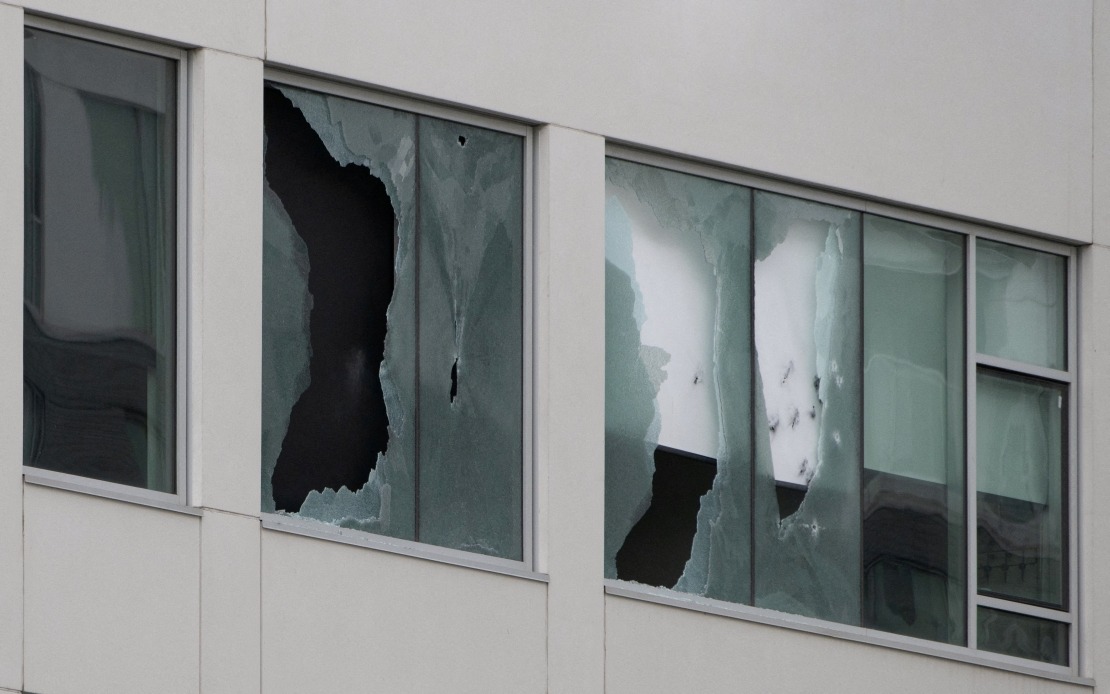
A shooting incident in Montreal on Monday has resulted in three deaths, including a serving police officer, prompting an intensive law enforcement response across the city's Côte-des-Neiges neighbourhood. The casualties include the slain officer, a civilian resident, and the suspected gunman, who was neutralised at the scene. Two additional people sustained injuries in the attack, one of them a police officer who was no longer facing life-threatening conditions as of the latest update from authorities.
Montreal police announced the death of their colleague through a statement posted on the social media platform X, expressing profound grief over the loss of an officer in the line of duty. The announcement provided minimal detail at the time, indicating that further information would be released as the investigation progressed. The confirmation of civilian casualties followed shortly after, as authorities worked to piece together the sequence of events that unfolded in the residential district.
Officers arrived at the scene to find themselves immediately under gunfire from an armed individual, creating an extremely hazardous tactical situation. Montreal police chief Fady Dagher indicated to journalists that responding officers encountered direct fire upon arrival, necessitating a response that resulted in the suspect being neutralised. Law enforcement personnel have determined that the shooter was operating independently, with no indication of additional suspects involved in the violence.
The immediate aftermath saw a significant security operation deployed across the affected Côte-des-Neiges area. Police issued urgent warnings characterising the suspect as armed and dangerous, directing residents to remain indoors and secure their premises. A residential lockdown was implemented as officers conducted operations to neutralise the threat, with the public advised to avoid the neighbourhood entirely until the situation was brought under control. Emergency alert systems notified residents of the danger, though these were subsequently lifted once the threat had been contained.
Investigators have thoroughly examined the circumstances surrounding the shooting and have explicitly ruled out any connection to terrorism or ideologically motivated extremism. The decision to exclude terrorism as a motive followed preliminary examination of available evidence and background information pertaining to the incident. Security authorities have stated with confidence that the investigation points to the shooter acting alone, eliminating concerns about a broader coordinated attack or organised criminal involvement.
Detailed examination of materials recovered from the scene, including materials allegedly created by the shooter, has raised questions about potential ideological motivations. Reports from Canadian media outlets suggest that the individual may have left behind writings containing language and rhetoric associated with the incel community, a largely anonymous online movement characterised by anti-feminist ideology and promotion of traditional gender roles. The incel movement has attracted significant concern from law enforcement and social researchers due to several high-profile violent incidents attributed to individuals who espoused such views.
However, security authorities have declined to confirm the connection to incel ideology as a confirmed motive at this stage of the investigation. The claims remain unverified by official security agencies, and investigators are proceeding methodically to establish the precise circumstances and motivations behind the attack. The ongoing nature of the investigation means that additional details may emerge as forensic analysis and interview processes continue.
The incident comes amid broader concerns in Canada and across North America regarding firearms violence and the relationship between online extremist communities and real-world violence. Montreal, as a major metropolitan centre, has experienced isolated violent incidents in previous years, though attacks of this magnitude draw widespread attention from both domestic and international observers. The response from emergency services and police command has been examined as a case study in rapid tactical response to active shooter situations.
For Malaysian readers and the broader Southeast Asian community, the incident underscores ongoing international conversations about internet-facilitated radicalisation and the potential for online communities to inspire or encourage violent behaviour. While incel-related violence has been primarily concentrated in North American contexts, the global nature of online communities means that similar ideological narratives circulate across borders and reach audiences in this region. The incident also highlights how developed democracies continue to grapple with balancing public safety concerns against civil liberties, a dynamic that carries relevance for security discussions across Asia-Pacific jurisdictions.

