A Moroccan national's death during a police arrest in Italy has become a flashpoint for diplomatic tensions and public unrest, forcing Rome's government to promise a comprehensive inquiry into the circumstances surrounding the incident. The death has intensified scrutiny of policing practices in Italy and reignited broader European conversations about accountability during law enforcement operations, particularly when they involve foreign nationals or migrant populations.
Morocco's government has formally requested a complete explanation of the events that led to the man's death, signalling that Rabat intends to monitor the investigation closely. This diplomatic pressure reflects mounting concerns among North African nations regarding how their citizens are treated during police encounters in European Union member states. The Moroccan position underscores a pattern of heightened sensitivity across the Maghreb region to allegations of excessive force or procedural failures in Western law enforcement contexts.
Italian Prime Minister Giorgia Meloni addressed the controversy directly, emphasizing the government's commitment to discovering the full facts surrounding the arrest and death. Her public statement reflects both a desire to defuse international tension and recognition that the incident has become politically sensitive domestically. Meloni's call for comprehensive truth-seeking signals that Italian authorities understand the reputational stakes involved and the need for transparent handling of the matter.
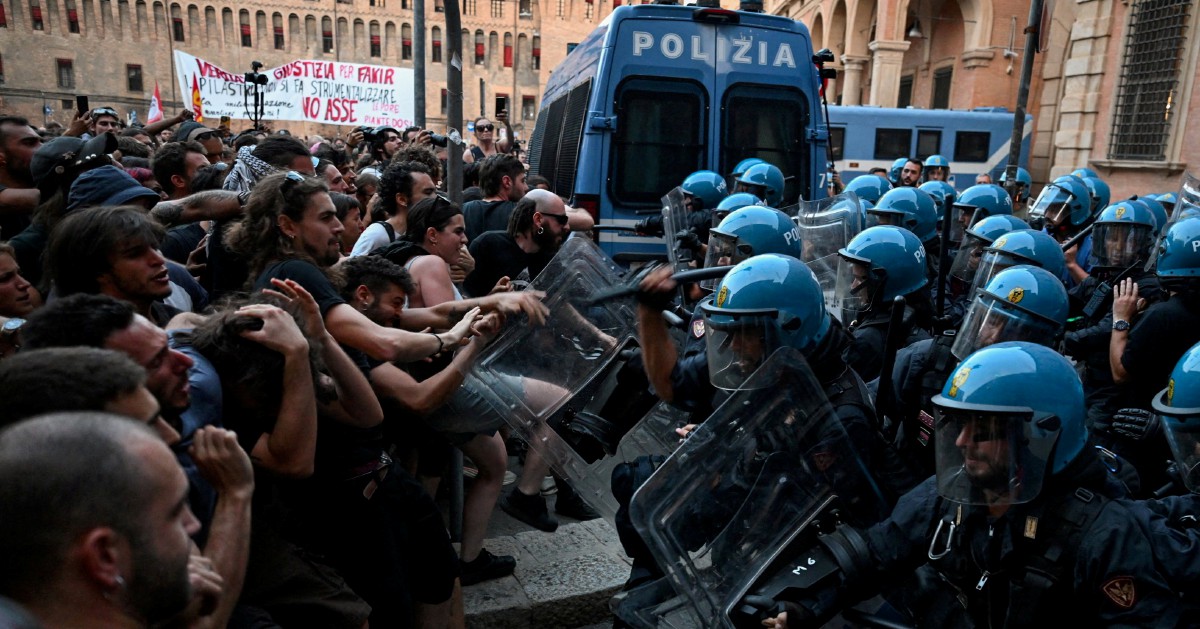
The incident has prompted public demonstrations across Italian cities, with protesters expressing concern about police conduct and demanding systemic reforms. These street-level reactions indicate that the case has transcended diplomatic channels to become a focus of domestic social activism, particularly among communities sensitive to immigration and minority rights issues. Italian civil society organizations have seized on the incident as emblematic of broader questions about police training, oversight mechanisms, and accountability procedures.
For Malaysian readers, this development carries broader significance within the context of how Southeast Asian nationals and migrant workers are treated in European jurisdictions. Malaysia maintains significant diaspora populations across Italy and other EU nations, and the handling of this case may set precedents for how future incidents involving non-EU citizens are investigated and resolved. The diplomatic language used by Morocco provides a template for how origin countries can exercise pressure through official channels while supporting domestic demands for justice.
The Italian government's response to the incident demonstrates how contemporary European administrations navigate competing pressures: the need to maintain international relations with source countries, domestic expectations for police accountability, and internal political considerations regarding immigration and public order narratives. The balance struck in these early responses will likely shape how the investigation proceeds and whether it becomes a catalyst for policy reforms within the Italian police apparatus.
The sequence of events—death during arrest, immediate diplomatic demands, government promises of investigation, and public mobilization—follows a now-familiar pattern in European policing controversies. What distinguishes this case within the Italian context is the explicit government commitment to transparency articulated by the prime minister, which may set expectations for the investigation's comprehensiveness and public accessibility of findings.
Regional implications extend beyond bilateral Morocco-Italy relations. Other North African governments and civil society organizations across the Mediterranean are watching the investigation's trajectory and the transparency of its outcomes. How thoroughly Italian authorities pursue accountability will influence whether similar cases in the future receive heightened scrutiny from both diplomatic and international human rights monitoring bodies.
The incident also reflects Italy's position as a major transit point and destination for migration from North Africa and the broader Middle East, making police conduct during arrest situations a recurring flashpoint. The intersection of immigration policy, integration challenges, and law enforcement practices creates an inherently sensitive environment where individual incidents can quickly escalate into broader political controversies affecting international relations and domestic social cohesion.
For observers in Malaysia and Southeast Asia, the unfolding case offers insights into how diplomatic pressure, public accountability, and institutional reform efforts interact in developed democracies facing similar challenges. The responses from both Morocco and Italy suggest that while power imbalances may exist between origin and destination countries, the combination of official demands for clarification and mobilized civil society can compel transparent investigation and policy engagement.
Moving forward, the credibility of the Italian investigation will depend on its methodological rigor, timely public disclosure of findings, and whether any resulting policy changes address systemic issues that may have contributed to the death. Morocco's persistent demands for full clarification signal that diplomatic interest will not diminish until substantive answers emerge and accountability mechanisms are visibly activated, setting a precedent for how such incidents may be handled in future Europe-North Africa interactions.

