An 83-year-old woman and her 58-year-old daughter lost their lives in a devastating two-vehicle collision on Jalan Temenggung Ahmad near Parit Unas in Muar on July 17. The incident, which occurred at 10.30 am, has prompted authorities to launch a formal investigation and serves as a grim reminder of the persistent dangers facing motorists on Malaysian roads, particularly in commercial transportation corridors.
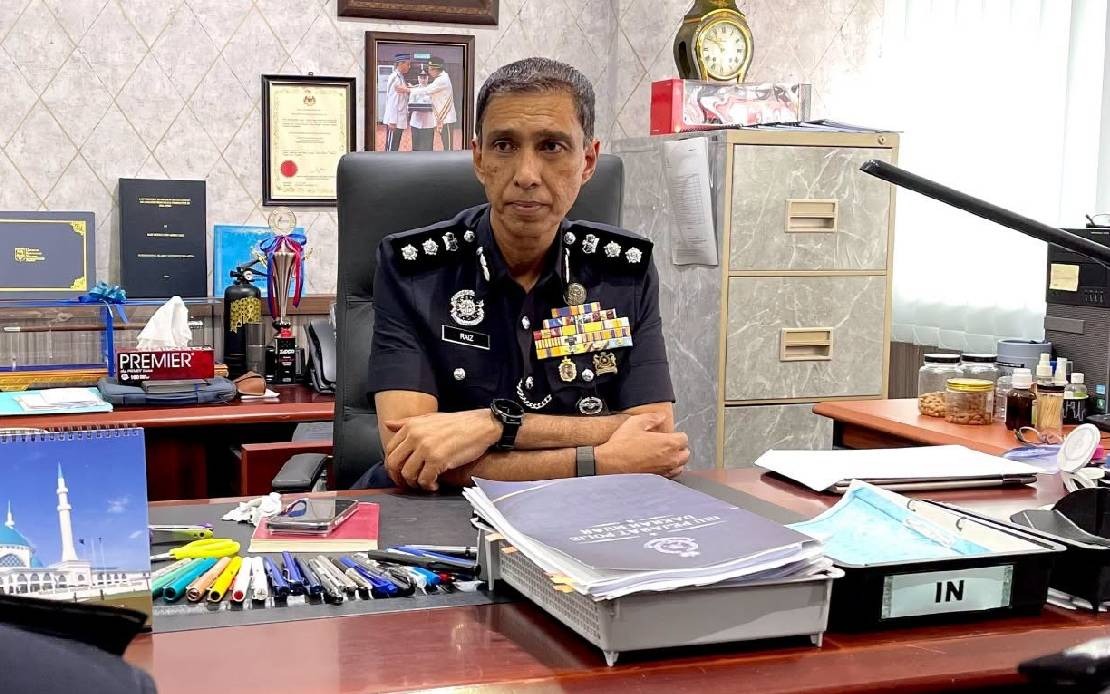
According to Muar District Police Chief ACP Raiz Mukhliz Azman Aziz, the accident unfolded when the daughter, who was operating a Perodua Myvi, lost command of the vehicle and crossed into the opposing lane. The chain of events that followed was catastrophic: the compact car subsequently struck a heavy goods lorry that was traveling from Muar town in the direction of Parit Jawa. The impact of the collision between a small passenger vehicle and a significantly heavier commercial vehicle demonstrates the vulnerability inherent in such encounters on open roads.
The immediate aftermath of the crash proved tragic for both occupants of the Myvi. The daughter, who was at the wheel, suffered fatal injuries and was pronounced dead at the scene. Her elderly mother, a passenger in the vehicle, initially survived the initial impact but succumbed to her injuries while undergoing emergency medical treatment at the Sultanah Fatimah Specialist Hospital in Muar. The sequential nature of their deaths underscores how road accidents can have cascading consequences even after initial survival of the collision itself.
The lorry driver, who was 35 years old, sustained injuries to his hands and legs but did not face life-threatening complications. He was transported to the same medical facility where he has been receiving ongoing treatment for his wounds. The survival of the lorry operator, while fortunate, highlights the unpredictable nature of road accidents and the role that vehicle size and structural protection play in determining outcomes.
Police have classified the incident as falling under Section 41(1) of the Road Transport Act 1987, which relates to rash or negligent driving causing death or injury. This statutory framework governs how authorities assess responsibility in fatal traffic incidents and determines the legal consequences for any party found culpable. The invocation of this specific section suggests investigators are examining whether factors such as excessive speed, driver fatigue, mechanical failure, or loss of control played determining roles in the sequence of events.
The circumstances surrounding the loss of control remain central to the ongoing investigation. Preliminary findings indicate that the Perodua Myvi drifted across the center line into the path of the oncoming lorry, but police have not yet detailed whether weather conditions, road surface issues, or mechanical problems contributed to the driver's inability to maintain lane discipline. Such details are crucial for understanding whether this was an isolated human error or symptomatic of broader safety concerns on this particular stretch of road.
Muar, situated in Johor state, experiences considerable commercial traffic due to its position along key transportation routes connecting northern and southern regions of Peninsular Malaysia. The road where this accident occurred serves as a vital commercial artery, and collisions involving heavy vehicles in such areas raise questions about traffic management, speed regulation, and the spacing of rest facilities for long-distance drivers. The involvement of a lorry driver traveling between towns suggests commercial transportation operations that may warrant additional scrutiny regarding driver welfare and rest requirements.
The fatality of two family members in a single incident carries particular emotional and social weight in Malaysian communities. Such tragedies often prompt broader community reflection on road safety practices and the importance of defensive driving techniques. The incident serves as a sobering case study in how quickly circumstances can deteriorate on open roads, even during daylight hours when visibility is typically optimal.
Police have appealed to members of the public who witnessed the accident or have information about the circumstances leading up to the collision to come forward and cooperate with investigators. Such witness accounts can prove invaluable in reconstructing the precise sequence of events and determining whether contributory factors beyond the driver's direct control played any role. The investigation will likely involve technical analysis of vehicle damage patterns, examination of road markings and conditions, and interviews with those who observed the incident.
This fatal accident adds to Malaysia's ongoing road safety challenges, which consistently rank the nation among countries with elevated traffic mortality rates in Southeast Asia. The involvement of vulnerable road users—in this case, an elderly passenger—alongside a commercial vehicle underscores the complex dynamics of road risk management in a context where diverse vehicle types share the same infrastructure. Road safety advocates typically point to such incidents as evidence supporting increased investment in road infrastructure improvements, driver education, and enforcement of traffic regulations.
The Sultanah Fatimah Specialist Hospital in Muar, which received victims from this and potentially other local accidents, continues to provide care for the injured lorry driver. The hospital's role in emergency trauma care remains critical for communities in the region, particularly given the volume of traffic moving through Johor's commercial zones. Families and communities affected by road accidents often benefit from coordinated support services that extend beyond immediate medical treatment.

