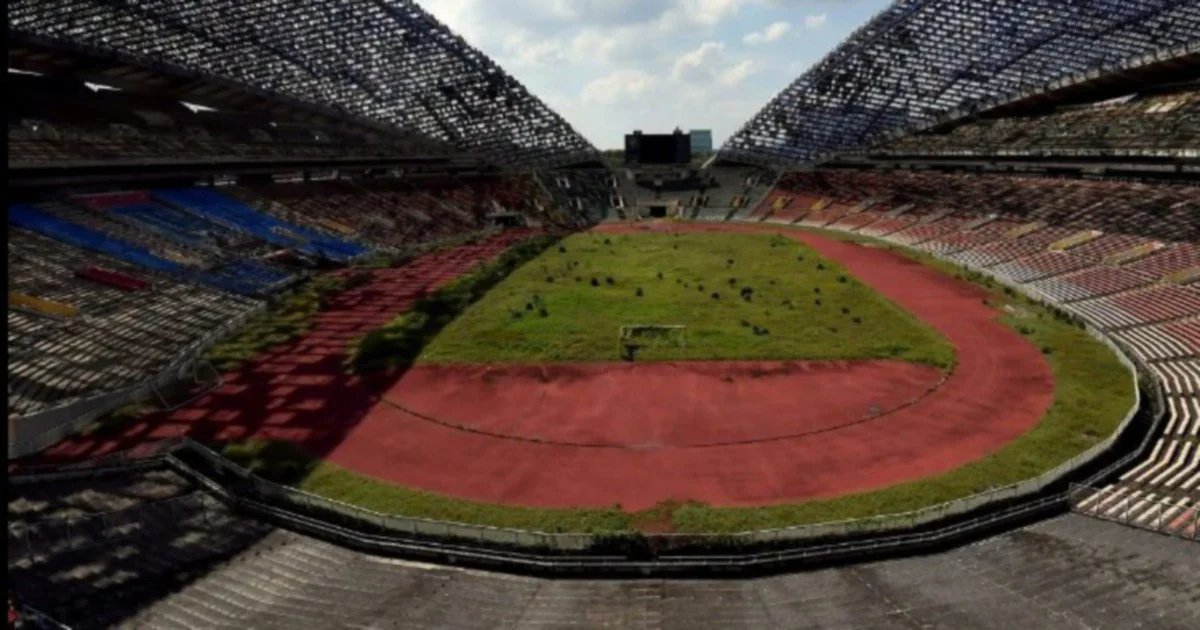
Malaysian Resources Corporation Bhd (MRCB) has succeeded in obtaining a consent judgment from the Shah Alam High Court against activist Abdul Razak Ismail, resolving a dispute centred on online publications concerning the demolition and redevelopment plans for Shah Alam Stadium. The company argued that the activist's digital content and statements had inflicted economic losses and reputational harm, prompting the legal action to constrain further damaging material from circulating on public platforms.
The consent order represents a significant legal development in the ongoing debate surrounding the Shah Alam Stadium project, which has emerged as a flashpoint between commercial interests and public activism in Selangor. The stadium, a longstanding sporting and entertainment venue with historical significance to the state, has become the subject of substantial redevelopment proposals that have attracted both support for modernisation and resistance from those concerned about preservation and community impact. The litigation underscores the collision between corporate development aspirations and grassroots opposition that has characterised Malaysian infrastructure projects in recent years.
Consent judgments in Malaysian law represent a settlement agreed between both parties rather than a contested finding of liability or fault. Such orders typically require the activist or defendant to cease certain conduct—in this case, likely restricting the publication and dissemination of material deemed damaging by MRCB. The mechanism allows disputes to conclude without prolonged court battles, though it also frequently draws scrutiny from civil society observers who view them as potential constraints on legitimate public discourse and the right to question development projects of public interest.
MRCB, a major Malaysian construction and property development conglomerate with extensive experience in large-scale infrastructure and urban renewal, has positioned itself as the primary commercial driver behind the Shah Alam Stadium redevelopment initiative. The company has maintained that its proposals represent necessary modernisation and value creation for the state. However, activists and community groups have raised concerns about the environmental footprint, displacement implications, and the erasure of institutional memory associated with demolishing an established sporting landmark.
Abdul Razak Ismail has been among the prominent voices articulating these concerns through online platforms, using social media and digital channels to mobilise public awareness and critique of the project. His publications reportedly questioned the decision-making processes, highlighted alternative development models, and challenged the purported economic benefits claimed by MRCB. For the corporation, such sustained online criticism has represented a material threat to project momentum and investor confidence, justifying the recourse to legal remedies.
The case reflects broader tensions within Malaysia's development ecosystem, where ambitious urban renewal and infrastructure expansion frequently encounter resistance rooted in heritage preservation, environmental protection, and democratic participation. Selangor, as Malaysia's most economically dynamic state and a crucible of political competition, has witnessed numerous such contests between private capital and civic activism. The Shah Alam Stadium project exemplifies how property and construction firms now routinely deploy legal strategies—including defamation and economic loss claims—to neutralise vocal critics and restrict the information environment surrounding contentious developments.
From a Southeast Asian perspective, the judgment reflects patterns observable across the region, where major construction firms increasingly utilise litigation as a tool to manage reputational risk and suppress dissent. Countries including Thailand, Indonesia, and the Philippines have experienced similar disputes, with developers seeking court orders against activists raising environmental or social concerns. Malaysia's experience thus provides a cautionary example for civil society advocates across the region navigating the intersection of free expression and corporate legal power.
The implications for press freedom and public discourse merit careful consideration. While MRCB's right to legal recourse against demonstrably false statements remains legitimate, consent orders that restrict the publication of factual criticism or alternative perspectives can create a chilling effect on public interest journalism and activist communication. The threshold between protecting corporate interests and constraining legitimate debate remains contested in Malaysian jurisprudence, with civil rights organisations frequently questioning whether consent judgments adequately balance these competing concerns.
For investors and project developers monitoring the Malaysian market, the judgment signals that courts remain available as mechanisms to manage activist opposition and control public messaging around contested projects. This may encourage similar applications by other corporations facing criticism of major development initiatives. Conversely, for civil society groups and community activists, the case underscores the legal risks attendant on public opposition and the necessity of maintaining rigorous factual accuracy while engaging in development critique.
The Shah Alam Stadium redevelopment remains a litmus test for Selangor's approach to balancing growth imperatives with heritage consciousness and stakeholder engagement. MRCB's successful court application addresses the activist dimension of opposition, yet the underlying questions about the project's desirability, implementation timeline, and community benefit persist in broader public discourse. The consent order may suppress certain forms of online criticism but cannot resolve the substantive policy debates that animate public interest in the stadium's future.

