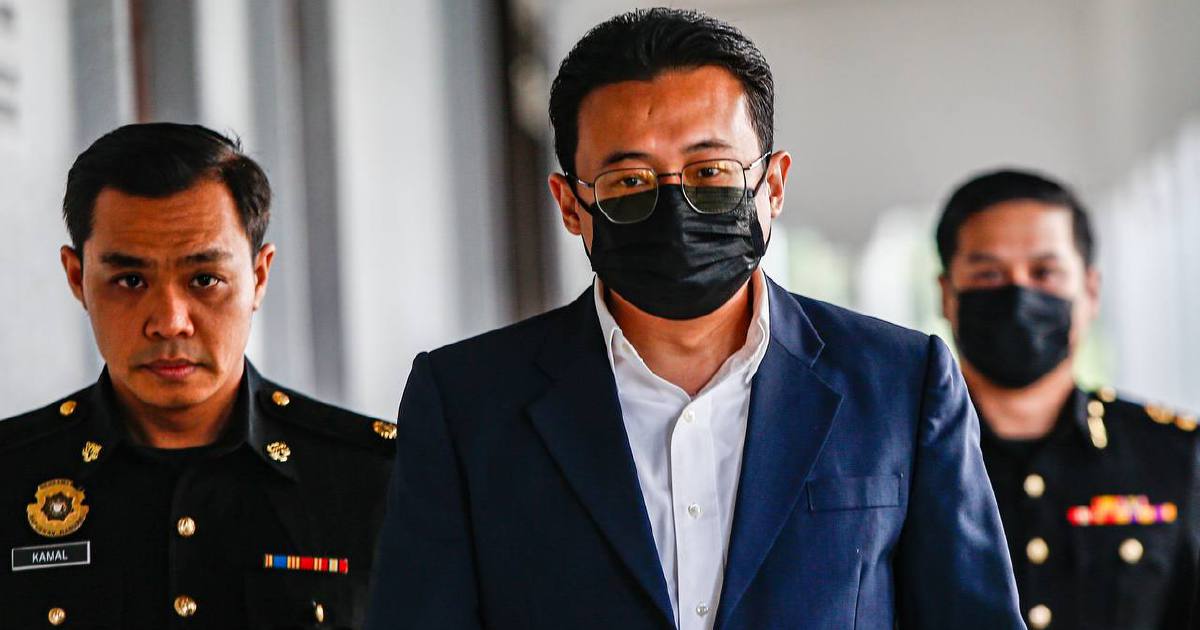
The Malaysia Stadium Corporation chief executive officer entered a not guilty plea at the Sessions Court today, facing seven separate charges centred on allegations of requesting and receiving bribes valued at RM1.45 million. The charges relate to the awarding of a tender for improvements to the National Squash Centre, a flagship facility under the corporation's management.
This high-profile case represents a significant development in Malaysia's ongoing efforts to combat corruption within government-linked organisations and publicly funded sporting institutions. The Malaysian Anti-Corruption Commission has intensified scrutiny of procurement processes across state-owned enterprises in recent years, with sports facilities and their management proving a particular focus. The tender process for facility upgrades has emerged as a vulnerability point where irregularities can occur, prompting closer investigation by authorities.
Public procurement for sporting infrastructure typically involves substantial capital expenditure, making such contracts attractive to those seeking illicit gains. The National Squash Centre, a venue of considerable importance to Malaysia's squash community and international sporting reputation, underwent a competitive bidding process that authorities allege was compromised by the defendant's conduct. The alleged bribery scheme would have effectively undermined fair competition among potential contractors seeking the upgrading work.
The structure of the charges—seven counts rather than a single consolidated allegation—suggests the prosecution believes multiple distinct acts of solicitation or acceptance occurred, possibly involving different stages of the tender process or separate payments. This approach strengthens the prosecution's narrative of a pattern of corrupt conduct rather than an isolated incident. Each charge carries potential penalties that could accumulate significantly, depending on the court's findings.
The defendant's immediate not guilty plea signals an intention to contest the allegations vigorously rather than pursue early guilty pleas or negotiated outcomes. This decision means the case will proceed to a full trial, where the prosecution must present evidence establishing each element of the charges beyond reasonable doubt. The defence will have opportunity to challenge both the facts and the legal characterisation of the conduct alleged.
This prosecution carries implications extending beyond the individual defendant, reflecting broader governance concerns within Malaysia's sporting administration sector. Government-linked companies managing major facilities are expected to maintain rigorous ethical standards, particularly when deploying public resources. Institutional failures in oversight and internal controls that may have enabled such conduct—should the allegations prove founded—would demand systemic reform within the Malaysia Stadium Corporation and comparable organisations.
The case also illustrates the MACC's capacity to investigate and prosecute senior executives within state-owned entities, demonstrating that no position provides immunity from scrutiny. Such investigations require sophisticated forensic accounting, document analysis, and often cooperation from multiple witnesses, representing substantial resource commitments by the anti-corruption agency. The willingness to prosecute at this level sends a message to other senior leaders within government structures regarding expectations of personal integrity.
For Malaysia's sporting community, particularly the squash fraternity, this case highlights tensions between facility development needs and the maintenance of ethical procurement standards. Delays or complications arising from legal proceedings can impact infrastructure investment schedules, potentially affecting training programmes and competitive preparation for national teams. However, ensuring that contracted work proceeds through legitimate channels ultimately protects the long-term credibility and effectiveness of sports administration.
The National Squash Centre itself, as one of Malaysia's premier facilities, depends on sound management and appropriate reinvestment to maintain international standards. Allegations of corruption in the facility's governance raise questions about how procurement decisions have been made historically and whether other contracts or upgrades warrant examination. Transparency in future tender processes will be essential to rebuilding confidence in institutional integrity.
The trial will proceed through the normal court schedule, with both prosecution and defence presenting their respective cases before the judge. The outcome will carry significance not only for the defendant personally but for establishing precedent regarding accountability expectations within government-linked sports organisations. Malaysian sporting bodies and facility managers nationwide will observe this case closely, as it establishes standards that authorities consider non-negotiable.
The proceedings also reflect broader developments in Malaysia's governance landscape, where anti-corruption enforcement has become more systematic and high-profile cases receive sustained attention. Public interest in transparency within public institutions remains strong, particularly regarding how taxpayer resources are deployed and protected. This case serves as a test of institutional accountability mechanisms and the judiciary's role in upholding standards of public probity.