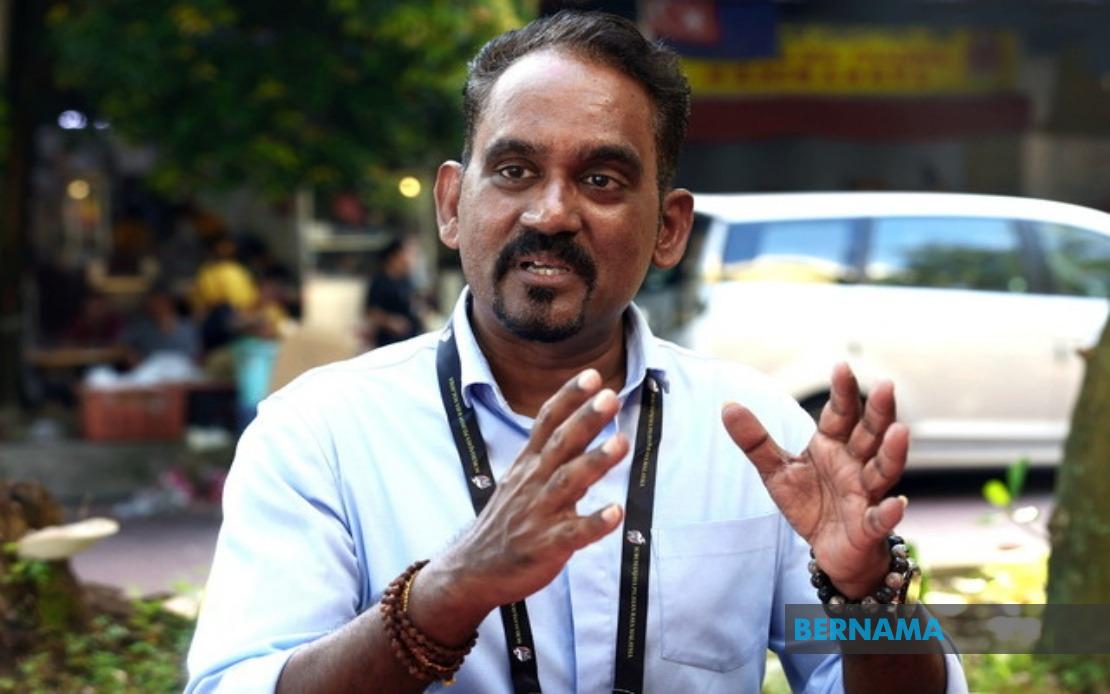
Malaysian United Democratic Alliance (MUDA) has pinned fresh electoral hopes on Bukit Batu, with party candidate M. Premanand expressing strong optimism that the constituency can galvanise a significant shift in voter preferences towards the reform-oriented party during the 16th Johor state election scheduled for July 11. The 53-year-old Premanand, contesting in a state election for the first time, believes the combination of grassroots momentum and strategic positioning can translate into a breakthrough victory in a seat that has traditionally been dominated by the major coalitions.
Premanand has drawn particular encouragement from MUDA's earlier success in securing the Puteri Wangsa seat during the previous Johor state election cycle, viewing it as evidence that voters in the state are receptive to the party's core messaging around democratic renewal and institutional reform. This confidence reflects a broader pattern of younger, urban-oriented voters increasingly questioning the traditional two-coalition framework that has long structured Malaysian electoral competition. The candidate's optimism also extends to other Johor constituencies where MUDA is contesting, suggesting the party believes it is positioned to capture multiple seats should voter sentiment crystallise in its favour.
At the heart of Premanand's pitch to Bukit Batu voters is an emphasis on MUDA's commitment to transparency and institutional integrity—themes that resonate particularly among middle-class and professional demographics concerned about governance standards. He has consistently highlighted the role of MUDA founder Syed Saddiq Syed Abdul Rahman, whose personal brand remains influential despite the broader challenges that reformist figures have navigated within Malaysia's complex political landscape. Premanand's framing positions a vote for MUDA as fundamentally a vote for the credibility and sustained dedication that Syed Saddiq is perceived to embody.
Beyond the party's institutional messaging, Premanand has sought to establish himself as a credible local representative grounded in community knowledge and professional expertise. As a native of Kulai with established networks throughout the region, he brings the kind of grassroots familiarity that often proves decisive in constituency-level contests. His background as a trainer and organisational development consultant, with extensive experience across multiple industries nationwide, positions him as someone with both technical competence and a track record of working across diverse sectoral contexts—an asset in a state where industrial diversification and workforce development remain pressing concerns.
The employment and wage agenda represents the substantive centrepiece of Premanand's electoral platform. He has identified a critical mismatch between the skill requirements of modern industry and the qualifications possessed by younger Johor residents, a gap that translates directly into employment precarity and underemployment despite formal job availability. This diagnosis speaks to frustrations widely expressed across the state regarding stagnant real wages, the persistent cost-of-living pressures facing working-class and lower-middle-class households, and the psychological weight of seeing economic opportunity concentrated elsewhere—particularly in neighbouring Singapore, where many Johor residents commute or migrate for employment.
Premanand's stated ambition to establish Bukit Batu as a model for competitive wage standards within Johor and potentially across Malaysia reflects an understanding that electoral competition increasingly turns on bread-and-butter concerns rather than purely ideological or communal appeals. His emphasis on enabling residents to secure dignified living standards without geographic displacement addresses a genuine pain point in the Johor electorate, where cross-border employment patterns have become a structural feature of the regional economy. This messaging implicitly critiques the existing development model and promises a different approach centred on local capacity building and wage competitiveness.
The flooding challenge that Premanand has highlighted also touches on a persistent governance failure in several Johor constituencies, particularly as climate variability and infrastructure constraints converge to create recurring flood episodes. His commitment to strengthening flood mitigation measures addresses not merely a technical infrastructure gap but also a broader frustration with administrative responsiveness—voters perceive that existing authorities have inadequately prioritised flood defence despite repeated seasonal crises. By positioning himself as attuned to this concern and committed to urgent remedial action, Premanand signals a management style oriented toward problem-solving rather than platitudes.
The electoral dynamics in Bukit Batu reflect broader tensions reshaping Malaysian politics. The constituency will witness a five-way contest pitting Premanand's MUDA bid against Barisan Nasional candidate R. Kumaran, Pakatan Harapan's Arthur Chiong Sen Sern, Parti Bersama Malaysia's G. Tamili, and Independent candidate Datuk Kamaruzaman Ali. This fragmentation creates openings for non-traditional parties, as the traditional coalitions' vote shares become compressed across multiple contenders, though it also increases the risk of fractured mandates and unclear electoral outcomes.
For MUDA specifically, Bukit Batu represents an opportunity to demonstrate that its 2022 state-level breakthrough in Selangor and initial Johor gains constitute the beginning of sustained electoral momentum rather than a temporary disruption. The party's pitch—reform, transparency, younger leadership—appeals to an expanding demographic segment increasingly disengaged from both the Barisan Nasional establishment and the Pakatan Harapan coalition. However, translating this appeal into seat gains requires not only strong messaging but also effective ground organisation and the cultivation of credible local candidates capable of embodying party principles through demonstrated competence.
Premanand's candidacy embodies this dual challenge: he must convince voters that MUDA represents a genuine alternative while simultaneously establishing himself as a capable representative attuned to the material concerns and community knowledge that shape electoral behaviour at the constituency level. His framing of employment and wages as central issues suggests a recognition that reform politics cannot remain purely institutional or ideological—it must connect to voters' everyday economic anxieties and demonstrate concrete pathways to improvement. Whether this strategy proves effective will become apparent on July 11, when the Johor electorate delivers its verdict on which parties and candidates it believes can deliver both governance integrity and material progress.

