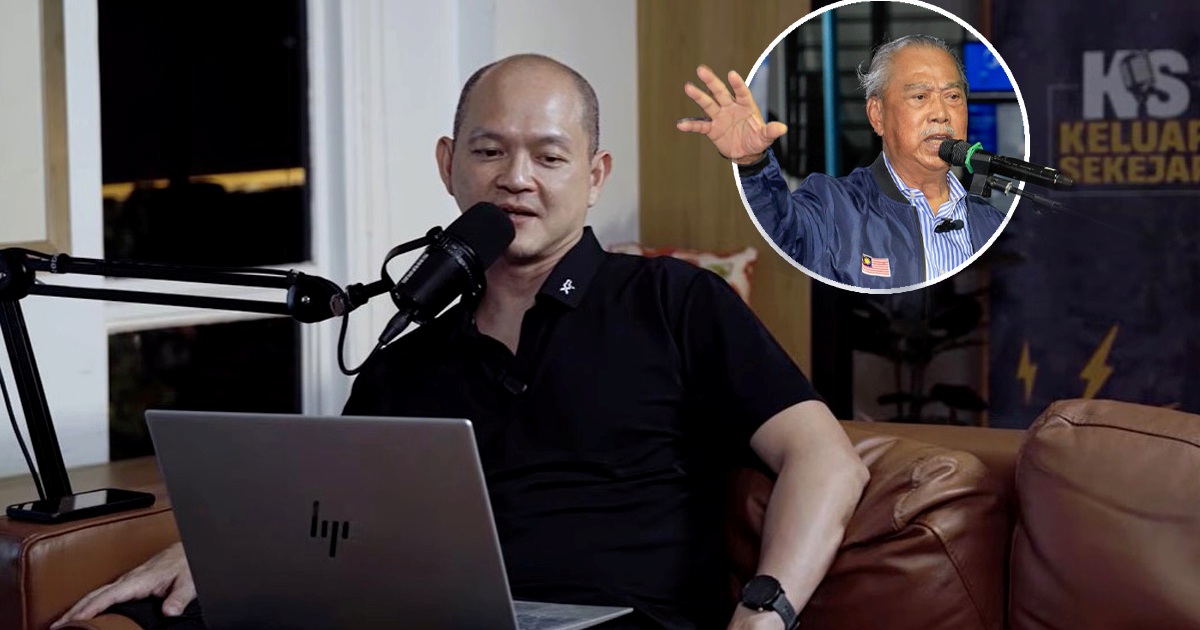
Political analyst and former Bangi MP Ong Kian Ming has raised questions about the durability of Bersatu president Tan Sri Muhyiddin Yassin's parliamentary position in Pagoh, suggesting that the party's subdued electoral performance in Johor's state elections could translate into vulnerability at the national level when Malaysia next goes to the polls.
The warning reflects deeper anxieties within Malaysia's fractured political landscape about the stability of coalition partners and the electoral foundations upon which they rest. Bersatu's showing in the Johor contest has become a focal point for assessing the party's broader appeal and organisational strength, particularly in its strongholds. For Muhyiddin, who has anchored his political relevance on his command of the party and his ability to deliver results in key constituencies, any slippage in voter support carries significant implications.
Pageh, located in Johor, represents not merely a parliamentary seat but a political barometer for Bersatu's health in the state that has historically proven crucial to national election outcomes. Johor's electoral importance stems from its size, demographic diversity, and the role it has traditionally played in determining whether governments command strong working majorities. When a major party leader's own seat comes under question, it signals broader organisational or popularity challenges that extend well beyond a single constituency.
Ong's observation gains traction because it connects observable electoral data from the state polls to plausible scenarios in a future general election. The mechanics are straightforward: if Bersatu struggled to mobilise its voter base or expand support in Johor's state elections, that momentum deficit could carry forward unless the party undertakes significant corrective action. Voter behaviour studies consistently show that momentum, perception of viability, and organisational effectiveness all compound in shaping electoral outcomes.
The timing of such assessments matters within Malaysia's political calendar. With the next general election potentially several years away, there remains ample opportunity for parties to rebuild, rebrand, or recalibrate their strategies. However, the window for reversing negative momentum is not infinite, and political capital once lost proves difficult to restore. For Muhyiddin and Bersatu, the question becomes whether recent setbacks represent a temporary dip or a signal of deeper structural weaknesses in their coalition positioning.
Bersatu itself occupies an unusual position in Malaysian politics. Formed in 2016 as a breakaway from UMNO, the party has experienced meteoric rises and sharp falls in political fortunes. Its performance has frequently depended on the political climate, coalition dynamics, and the personal standing of its leader. The party's ability to sustain influence at the national level hinges partly on demonstrating electoral credibility in key states like Johor, where it must compete with UMNO, PKR, and other established players.
The implications for Malaysian politics extend beyond a single seat. If Bersatu faces credibility challenges, this affects the broader viability of whatever coalition configuration exists ahead of the next general election. Coalition partners evaluate each other's electoral utility, and demonstrated weakness in one component party can trigger broader realignments. Other coalition members may seek alternative partners or dominance within existing arrangements, potentially destabilising the overall political structure.
For voters in Pagoh specifically, the analysis raises questions about representation and the competitive environment in their constituency. If multiple parties sense vulnerability or opportunity in what was previously considered a safe seat, campaign intensity and voter engagement may intensify. This could produce either more responsive representation or merely heightened partisan polarisation, depending on how campaigns unfold.
Ong's intervention also reflects the role of political analysts and commentators in shaping narrative around electoral prospects. Such analyses feed into media discourse, influence party strategising, and contribute to voter expectations. When respected voices highlight specific vulnerabilities, they create pressure on parties to respond, whether through defensive messaging or proactive repositioning.
The broader context of Bersatu's recent trajectory cannot be ignored. The party's fluctuating fortunes have often reflected not primarily voter enthusiasm but rather elite political manoeuvring and coalition arithmetic at the national level. This structural vulnerability—where the party's parliamentary presence depends significantly on coalition mathematics rather than independent voter enthusiasm—may itself be the underlying concern that Ong's assessment reflects.
Regional observers noting these developments should recognise that Malaysian politics increasingly reflects personalised power structures alongside institutional frameworks. Muhyiddin's prominence within Bersatu means that questions about his electoral security become questions about the party's viability. Conversely, any diminishment of his control over the party could trigger internal leadership contests that further weaken organisational coherence.
Looking ahead, the Pagoh situation warrants monitoring not as an isolated parliamentary seat contest but as an indicator of broader political realignment possibilities. Whether Muhyiddin and Bersatu can stabilise their position before the next general election will depend on their ability to demonstrate renewed electoral appeal, solidify coalition partnerships, and respond effectively to the challenges that recent performance has exposed. The pathway from current concerns to actual electoral reversal remains unwritten, but the warning signs that analysts like Ong are identifying deserve serious consideration by both party strategists and voters assessing Malaysia's political trajectory.

