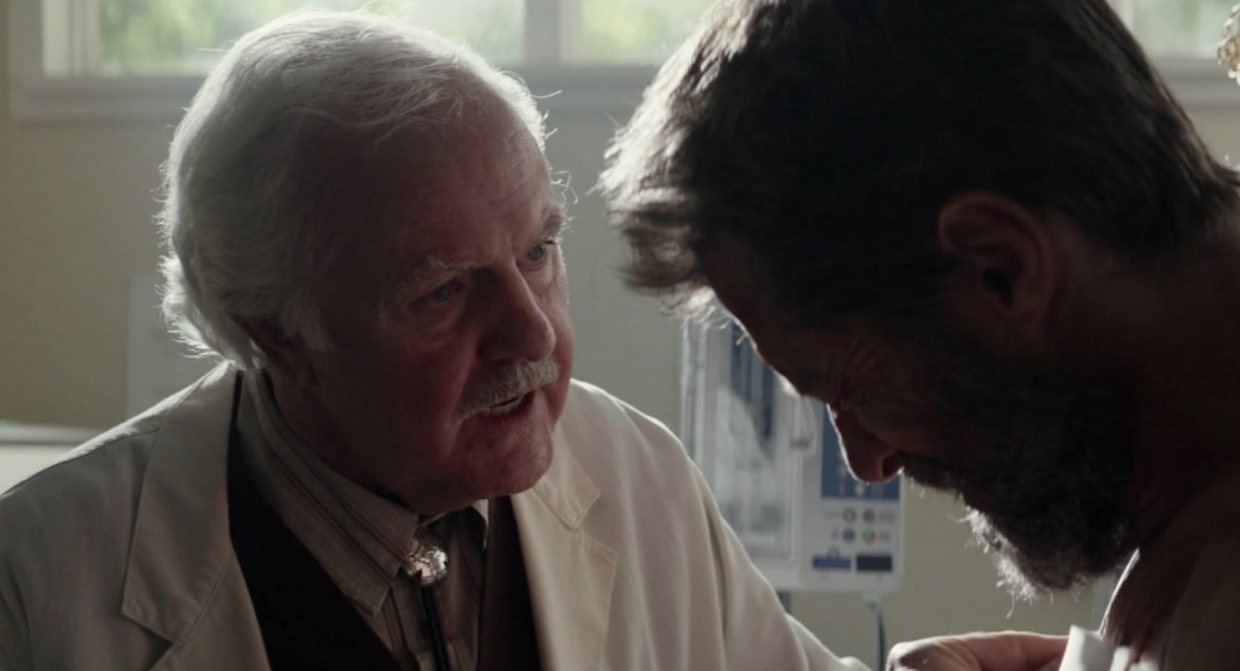
A California court has found that the man charged with murdering veteran character actor James Handy is mentally unfit to proceed with criminal prosecution. Los Angeles Superior Court Judge Maria Cavalluzzi delivered the ruling on Monday, determining that 44-year-old Michael Gledhill cannot comprehend the allegations against him or meaningfully cooperate with his defence team in the stabbing death of the 81-year-old Handy.
Gledhill's arrest came after he reportedly approached police officers responding to a disturbance call and identified himself as the person they sought. According to police, a 911 caller had made the cryptic statement "I am the son of man, I just killed the man of sin" before officers attended the scene. The circumstances of how Gledhill came to make contact with law enforcement remain part of the broader investigation, yet his subsequent voluntary identification accelerated the arrest process.
The judicial determination of incompetency represents a significant fork in the criminal proceedings. Rather than proceeding directly to trial following Gledhill's scheduled June 5 arraignment, the court paused the prosecution and referred the case to a specialised mental health tribunal for comprehensive psychiatric evaluation. That dedicated mental health court reached its own conclusion swiftly, confirming through detailed evaluations that Gledhill did not meet the legal threshold for competency to stand trial.
Beyond the question of trial readiness, Judge Cavalluzzi also found that Gledhill cannot make informed decisions regarding his own medical treatment. She consequently authorised involuntary medication over a one-year period, based on a psychiatrist's assessment that pharmaceutical intervention could substantially improve his mental health condition. This dual determination—both regarding trial competency and medical decision-making capacity—reflects the court's view that Gledhill's mental state presents significant barriers to meaningful participation in the justice system.
Gledhill has not yet entered a formal plea to the charges. With the criminal case now in abeyance pending his mental fitness, the court has scheduled a hearing for July 14 to determine his long-term placement and custodial arrangements. Should psychiatric treatment result in Gledhill regaining competency at some future point, the case will proceed to trial. This procedural pathway reflects California law's framework for handling defendants whose mental condition impairs their ability to participate in their own defence.
The circumstances surrounding Handy's death and the relationship between victim and suspect have emerged through accounts from those close to the actor. Brian Delate, a longtime friend and fellow performer who worked alongside Handy, disclosed that Gledhill's mother had arranged for her son to reside in her garage. While Handy maintained his own separate residence, he spent considerable time at the garage dwelling. Delate noted that Handy had mentioned to him in passing that his girlfriend's son—potentially referring to Gledhill—experienced mental health challenges, though the precise nature of those difficulties remained unspecified in public accounts.
This revelation about prior knowledge of mental health concerns adds a layer of complexity to understanding the tragic incident. For Malaysian readers familiar with rising concerns about mental health support in our own region, the case underscores how inadequate intervention systems and social isolation can intersect dangerously. Southeast Asia has long grappled with stigma surrounding mental illness and limited access to consistent psychiatric care, issues that parallel those evident in this California case.
James Handy was an accomplished character actor whose career spanned several decades, with appearances across numerous film and television productions. His body of work established him as a reliable supporting performer in the American entertainment industry. At 81, Handy had accumulated substantial professional credits, representing the kind of experienced performer who often forms the backbone of Hollywood productions, even as younger actors garner greater public attention.
The broader implications of this case extend beyond the immediate circumstances of one stabbing. It reflects persistent gaps in mental health infrastructure and crisis intervention systems in developed nations, despite their superior resources compared to many Southeast Asian countries. The fact that Gledhill's mental condition apparently went unaddressed until erupting into violence suggests systemic failures in preventive mental healthcare, a concern equally relevant to Malaysia's own healthcare policy debates.
The legal proceedings now enter a holding pattern, with focus shifting to mental health treatment rather than prosecution. Attorneys representing both the defence and prosecution have not publicly commented on the ruling, though the determination effectively removes any immediate path to trial. For those seeking closure or resolution in Handy's death, the process could extend considerably depending on whether treatment proves successful in restoring Gledhill's competency.
This case also highlights the intersection of criminal justice and mental health systems, a complex area where Malaysian policymakers continue developing appropriate responses. The specialised mental health court that evaluated Gledhill represents one approach to ensuring defendants with serious psychiatric conditions receive appropriate assessment and potential treatment rather than simply moving through conventional criminal processes. As Southeast Asia develops stronger mental health frameworks, such integrated approaches may become increasingly relevant to local legal systems grappling with similar challenges.

